
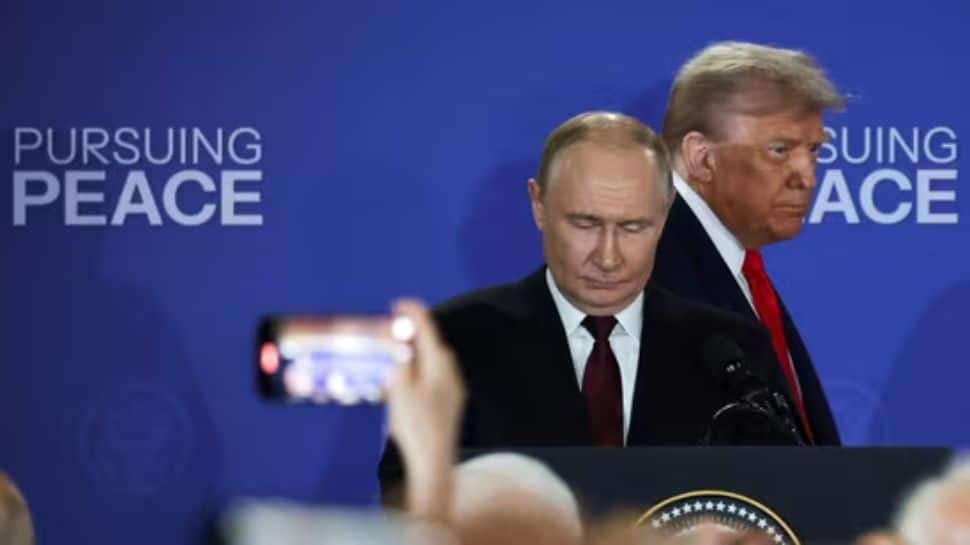

The United States has escalated its engagement with Russia through the imposition of significant new sanctions targeting the country’s two largest oil entities, Rosneft and Lukoil. This economic offensive comes as the White House has also called off a planned summit between President Donald Trump and Russian President Vladimir Putin, indicating a notable deterioration in US-Russia relations. The deliberate focus on Russia’s energy industry underscores a strategic adjustment in Washington’s approach, moving beyond direct presidential engagement which has yielded little progress. President Trump’s comments suggest a weariness with discussions that fail to advance diplomacy, prompting a more forceful stance. The hope that personal diplomacy, symbolized by Putin’s previous reception in Alaska, could unlock peace talks has evidently waned. This shift leaves Ukraine in a precarious position, continuing to face Russian aggression and desiring concrete security guarantees. The US had explored military assistance options for Ukraine, including the potential provision of sophisticated weaponry, amidst ongoing tensions. Diplomatic efforts, including those between senior US and Russian officials, have consistently failed to achieve a breakthrough, with Moscow advancing its own peace proposals centered on intricate political issues. The dialogue has stalled, leading Washington to rely heavily on sanctions as a tool of influence. European nations are also participating, with restrictions on Russian LNG imports. Russia, however, asserts its capacity to withstand these pressures, emphasizing continued economic and energy sector development. Ukraine is focused on strengthening its defenses as winter approaches and power infrastructure remains under attack, closely watching the efficacy of sustained international sanctions. President Zelensky has urged for stronger global action against Moscow.