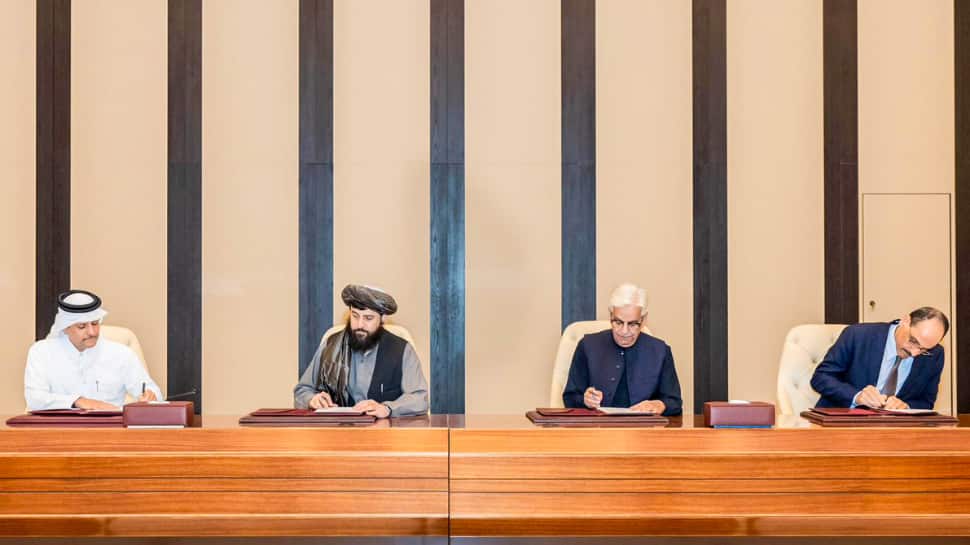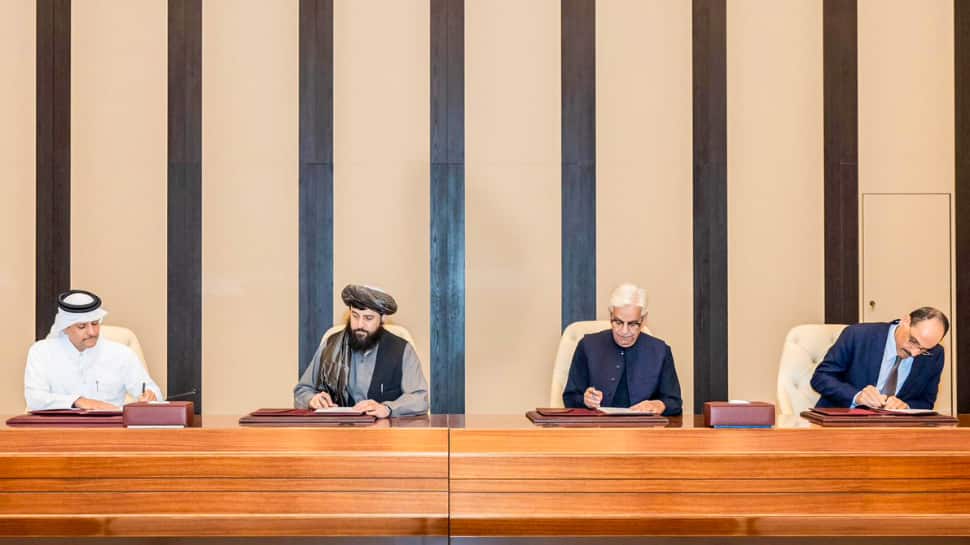

An intensive four-day diplomatic engagement in Istanbul between Pakistan and Afghanistan has concluded without achieving any concrete agreements, signaling a significant breakdown in communication. The Pakistani delegation reportedly withdrew from the proceedings due to fundamental disagreements, leaving the future of bilateral relations uncertain.
These talks were convened in the aftermath of a recent temporary ceasefire, mediated by international partners, which followed a period of heightened tension triggered by alleged violations of Afghan airspace by Pakistan. Kabul had responded forcefully to these perceived incursions.
During the discussions, Afghanistan reiterated its dedication to not permitting its territory to be used for anti-Pakistan activities. However, they also insisted on an end to Pakistani airspace violations and the cessation of U.S. drone operations within their sovereign territory. Pakistan’s delegation reportedly did not agree to these demands.
Adding another layer of complexity, Pakistan urged Afghanistan to officially recognize the Tehrik-i-Taliban Pakistan (TTP) as a terrorist organization and to take direct military action against its members. This request was reportedly refused by Afghanistan’s Defense Minister, who voiced skepticism about the political motivations behind such terrorism classifications.
While Pakistan had previously hinted at the possibility of military intervention if talks faltered, Afghanistan consistently emphasized its preference for diplomatic resolutions, highlighting the stark contrast in their approaches to resolving pressing security issues.