
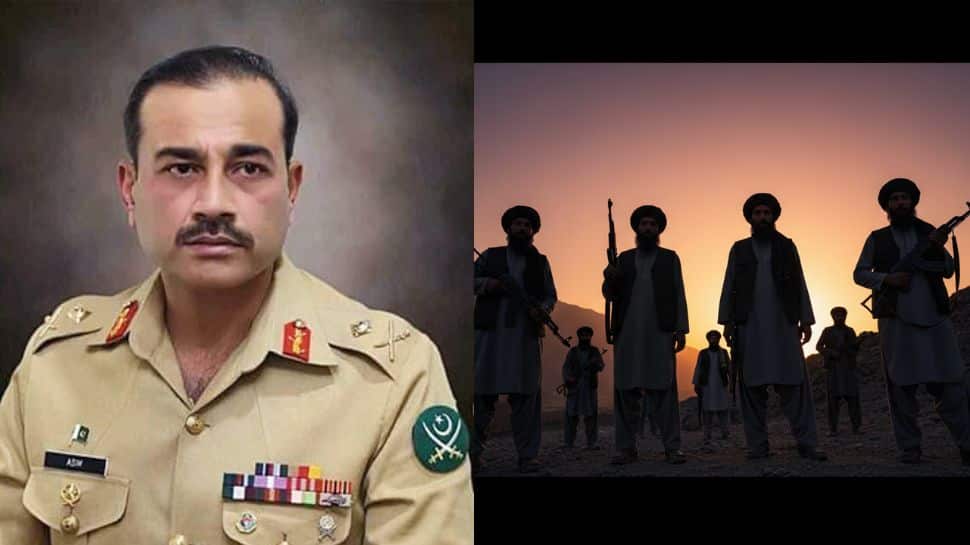

A significant breakthrough in the fight against terrorism has occurred with the capture of an ISIS fighter who has admitted to extensive training within Pakistan. Saeedullah, the militant, confessed to Afghan authorities that he received military and ideological conditioning in Quetta, Pakistan, a city repeatedly disavowed by Islamabad as a terrorism hub. His testimony, captured on video, details his infiltration into Afghanistan via the Torkham crossing, using counterfeit documents and the alias ‘Mohammad.’ Saeedullah recounted being taken to secluded mountain locations in the Quetta region for ‘intensive’ radicalization and ‘jihad’ preparation. This admission directly challenges Pakistan’s narrative and provides compelling evidence of its role in nurturing extremist groups. The confession has amplified concerns among regional security analysts who now openly suggest that Pakistan is a producer of terrorists, not merely a passive host. Yousuf Amin Zazai, a military analyst, stated unequivocally that terrorism in Afghanistan is not locally generated but is funded and directed from Pakistan. Political commentator Naqibullah Noori asserted that the confession serves as irrefutable proof of Pakistan’s government apparatus supporting terrorist training operations. This aligns with prior intelligence indicating a pattern of recruits being transported through Pakistani airports to training sites in Balochistan and Khyber Pakhtunkhwa, specifically groomed for operations against regional states, with Afghanistan as a primary target. The accumulating evidence points to Pakistan managing a deliberate terror-generating enterprise.