

Indonesia’s ambitious relocation of its capital to Nusantara on the island of Borneo is facing significant challenges, raising concerns that the new city could become a ghost town. The project, conceived as a forward-thinking symbol for the world’s most populous Muslim country, was intended to alleviate the overpopulation of Jakarta and provide a modern, greener alternative by 2030 under former President Joko Widodo’s vision.
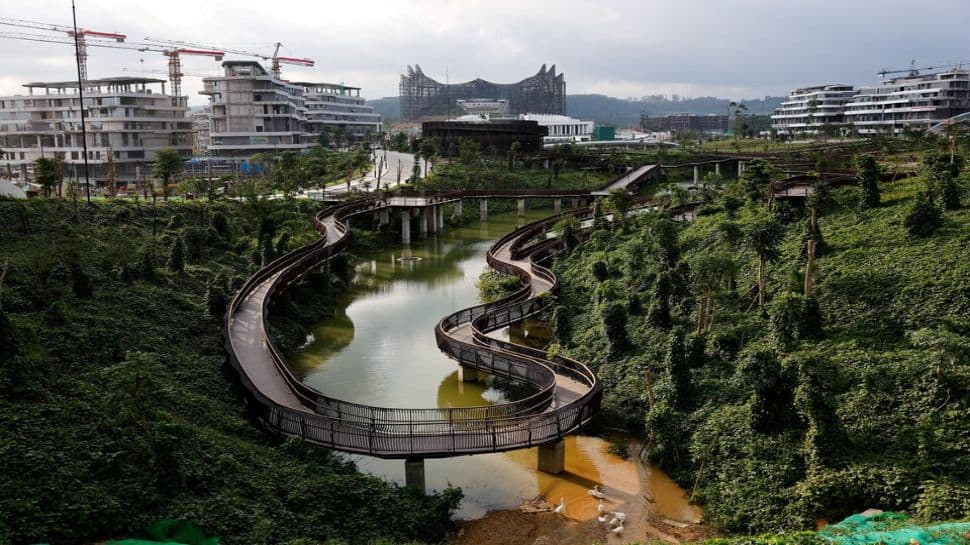
However, the reality on the ground is one of quiet, unfinished construction. Wide avenues in Nusantara are largely empty, flanked by government buildings that are still under construction. The vibrant city life envisioned is absent, with only a few workers and visitors populating the landscape. The situation has become more precarious following the election of President Prabowo Subianto in October. His government has dramatically reduced the financial commitment to Nusantara. For 2025, the allocated budget has been cut to 700 million pounds, a substantial decrease from the approximately 2 billion British pounds allocated in 2024. The following year’s approved funds are even lower at 300 million pounds, a mere third of what was requested. Private investment has also lagged significantly, failing to reach its targets by over 1 billion pounds.
Adding to the uncertainty, President Prabowo has not yet visited the new capital. His administration officially designated Nusantara as Indonesia’s ‘political capital’ in May, but this information was not publicly disclosed until four months later. Further signs of instability emerged with the resignations of both the head and deputy head of the Nusantara Authority Agency in 2024, heightening skepticism about the project’s future. Currently, Nusantara is home to approximately 2,000 government employees and 8,000 construction workers, falling far short of the 1.2 million residents anticipated by 2030. While essential infrastructure, including housing, government offices, roads, healthcare facilities, and an airport, is being developed, much of it remains incomplete. Experts are voicing concerns about the project’s direction. Hardiansyah Hamzah, a constitutional law expert, stated that Nusantara already exhibits characteristics of a ‘ghost city.’ He also pointed out that the ‘political capital’ designation lacks legal standing in Indonesia and clearly indicates the project is not a primary focus for President Prabowo. The grand aspirations for Nusantara now hang precariously between ambitious planning and the potential for abandonment.