
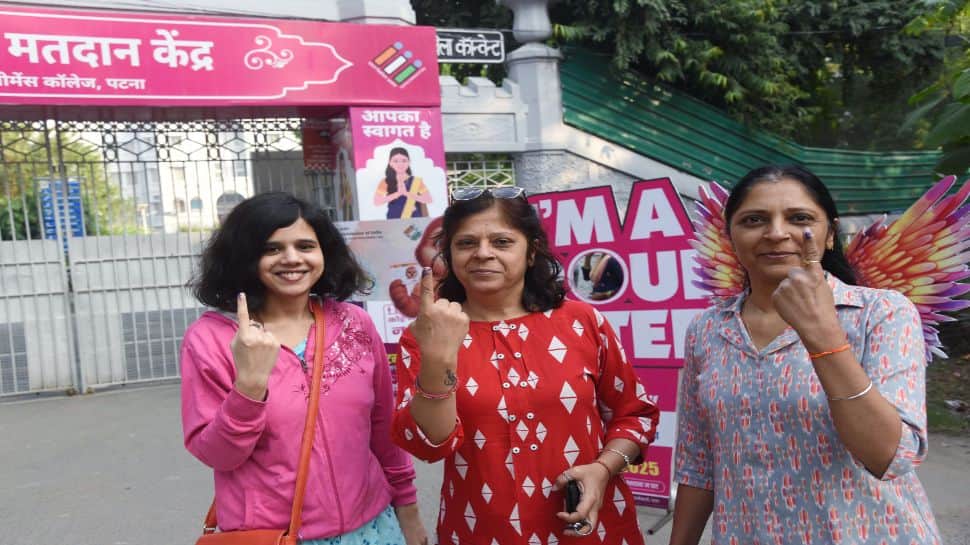

An extraordinary voter turnout of 64.46% in the first phase of the Bihar Assembly elections has sent ripples through the state’s political circles. Covering 121 seats, this turnout represents a significant increase from the 55.68% recorded in the initial phase of the 2020 elections, raising questions about the sustainability of Nitish Kumar’s two-decade governance.
Examining Bihar’s 17 assembly elections since independence, a pattern emerges: turnout shifts exceeding five percent often precede significant political transformations. The current high participation rate suggests that the upcoming results could redefine the state’s political leadership and policy direction.
Historically, pivotal moments like 1967 (7% turnout rise, non-Congress govt), 1980 (6.8% rise, Congress return), 1990 (5.8% rise, end of Congress rule, Yadav era), and 2005 (16.1% drop, Kumar’s rise) underscore the impact of voter turnout.
Experts are contemplating multiple scenarios. One possibility is a resurgent Nitish Kumar, reminiscent of his 2010 electoral performance. Another is the emergence of Prashant Kishor’s Jan Suraj as a third major political force. The RJD’s Tejashwi Yadav might face internal dissent if the opposition coalition fails to secure a majority, potentially impacting his long-term political standing. The high turnout is attributed to campaign strategies targeting women, increased participation from backward and extremely backward classes, and favorable conditions after the Chhath festival. The ensuing electoral phases will clarify the future political landscape of Bihar.