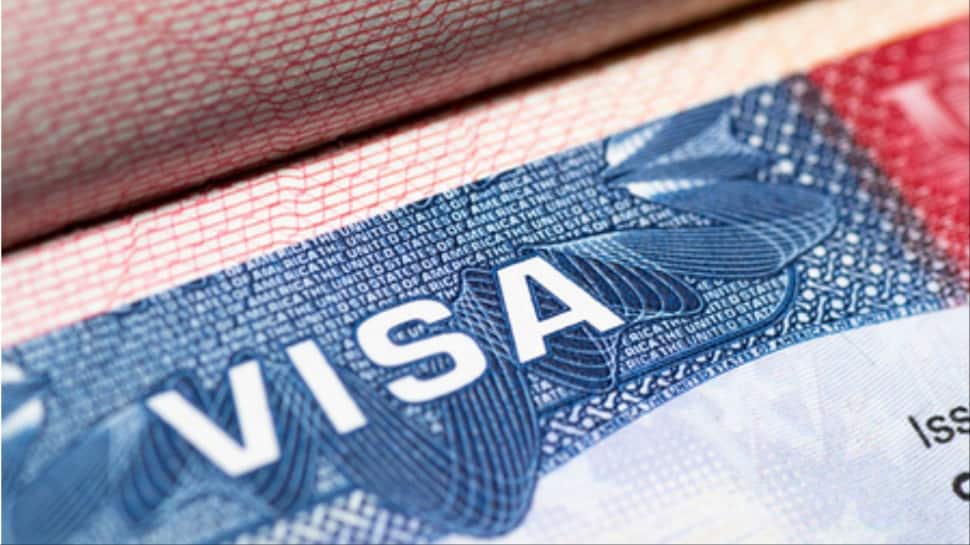

The United States has initiated a significant global tightening of visa application procedures with the reinstatement of the ‘public charge’ policy. This revived rule directs U.S. embassies worldwide to employ more rigorous screening for applicants’ financial stability and health. The fundamental aspect of the ‘public charge’ regulation permits immigration authorities to reject visa or permanent residency applications from individuals deemed likely to require government assistance.
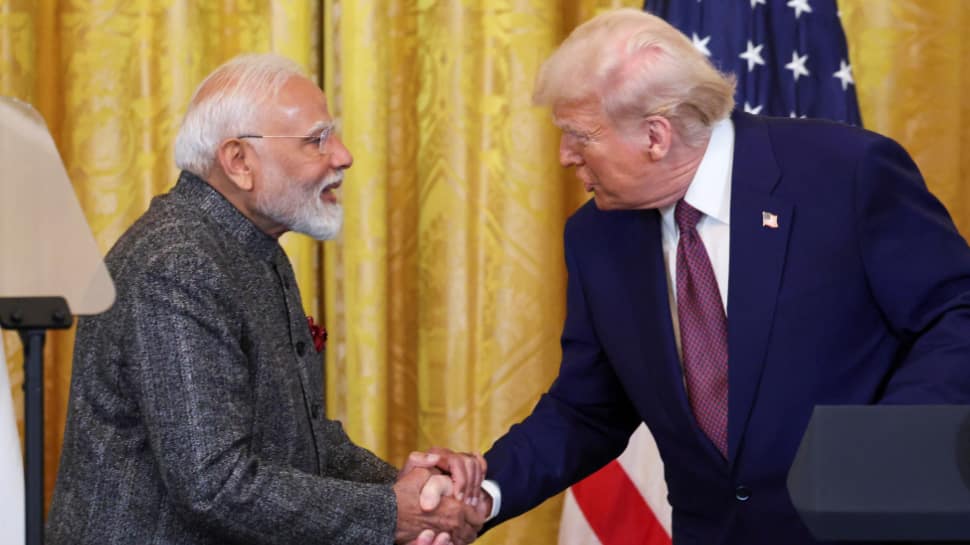
Communication from the State Department underscores that self-reliance has been a foundational element of U.S. immigration policy for generations, with the ‘public charge’ provision being a fixture in immigration law for over a century. These latest directives bring back and expand upon measures first introduced during Donald Trump’s earlier term, which were later rescinded. With President Trump resuming office in early 2025, his administration is once again focusing on stricter immigration controls.
The updated guidelines instruct consular officers to refuse visas to applicants who might depend on public benefits. This assessment involves scrutinizing factors such as health status, age, English language skills, financial resources, and any foreseeable long-term medical needs. The official instructions emphasize that all aspects of an applicant’s case must be meticulously reviewed, including medical evaluations and supporting documentation, before a final decision is rendered.