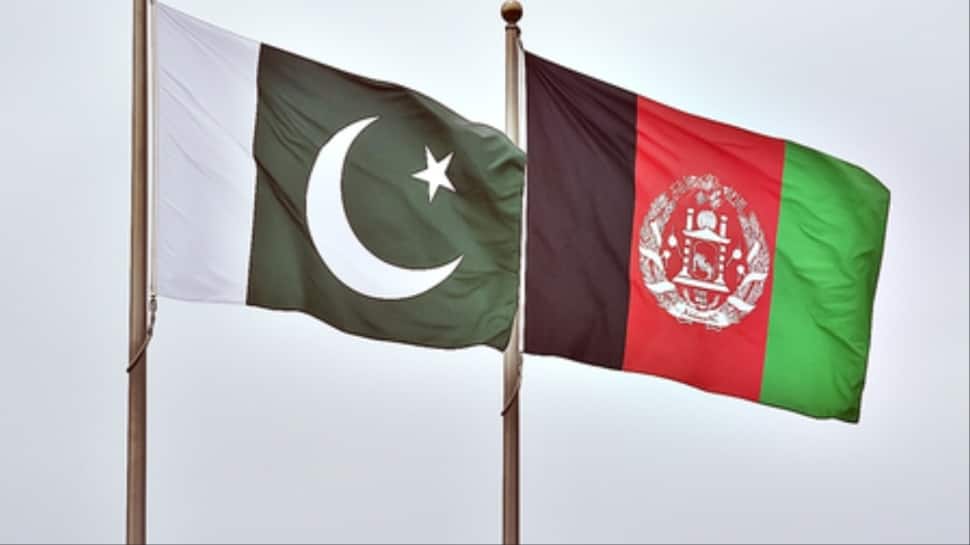

Afghanistan’s ruling Taliban administration has issued a stark warning to Pakistan, declaring its firm resolve to prevent any nation from utilizing Afghan territory for hostile operations. This emphatic statement follows the breakdown of the most recent peace talks between the two countries. The Islamic Emirate of Afghanistan underscored its commitment to defending its populace and territorial integrity against any form of aggression.
The Taliban reaffirmed its established policy: Afghan soil will not be permitted for use against any other country, nor will Afghanistan tolerate actions that undermine its sovereignty or security. The official spokesman for the Islamic Emirate stated, “The defense of the people and the land of Afghanistan is both an Islamic and national duty of the Islamic Emirate. Afghanistan will defend itself against any aggression.”
Gratitude was extended to Turkey and Qatar for their efforts in mediating the failed discussions, with both nations being referred to as “two brotherly nations.”
This strong declaration from Kabul emerged after accusations that certain factions within the Pakistani military are pursuing policies that jeopardize Afghanistan’s stability. The Taliban contends that these “certain military elements” are orchestrating tensions through manufactured justifications, viewing a stable and prosperous Afghanistan as detrimental to their own objectives. The statement elaborated, “Unfortunately, some military elements in Pakistan appear to consider Afghanistan’s stability, security, and development as threats to their objectives,” accusing them of exploiting times of unrest.
Relations between Afghanistan and Pakistan have significantly deteriorated recently, marked by deadly border clashes that claimed numerous lives on both sides. These confrontations erupted subsequent to explosions in Kabul on October 9th, occurring during the Taliban foreign minister’s visit to India. A fragile ceasefire, negotiated by Qatar on October 19th, has since brought a halt to the fighting.
The Taliban voiced considerable disappointment with the “irresponsible and non-cooperative” conduct of the Pakistani delegation, holding it responsible for the collapse of the peace talks. Nevertheless, the group also conveyed a message of goodwill to the “Muslim people of Pakistan,” labeling them “brothers” and expressing hopes for peace and stability in the region.
In response to Pakistan’s ongoing claims attributing the rise of the Tehrik-i-Taliban Pakistan (TTP) to the Taliban’s return to power, the Islamic Emirate has branded these accusations as “false and baseless.” The Taliban spokesperson argued that militancy within Pakistan is not a new issue and has occurred long before 2021. “The problem is primarily Pakistan’s internal issue, not one caused by the Islamic Emirate,” the spokesperson insisted.
The Taliban government has highlighted several measures enacted to ensure regional stability, including promoting dialogue among religious and political leaders, relocating tribal refugees from the Durand Line areas, and prohibiting weapons within refugee communities. As diplomatic efforts falter and border tensions persist, the Taliban’s unequivocal warning underscores the volatile regional landscape and the significant challenges ahead in preventing further conflict.