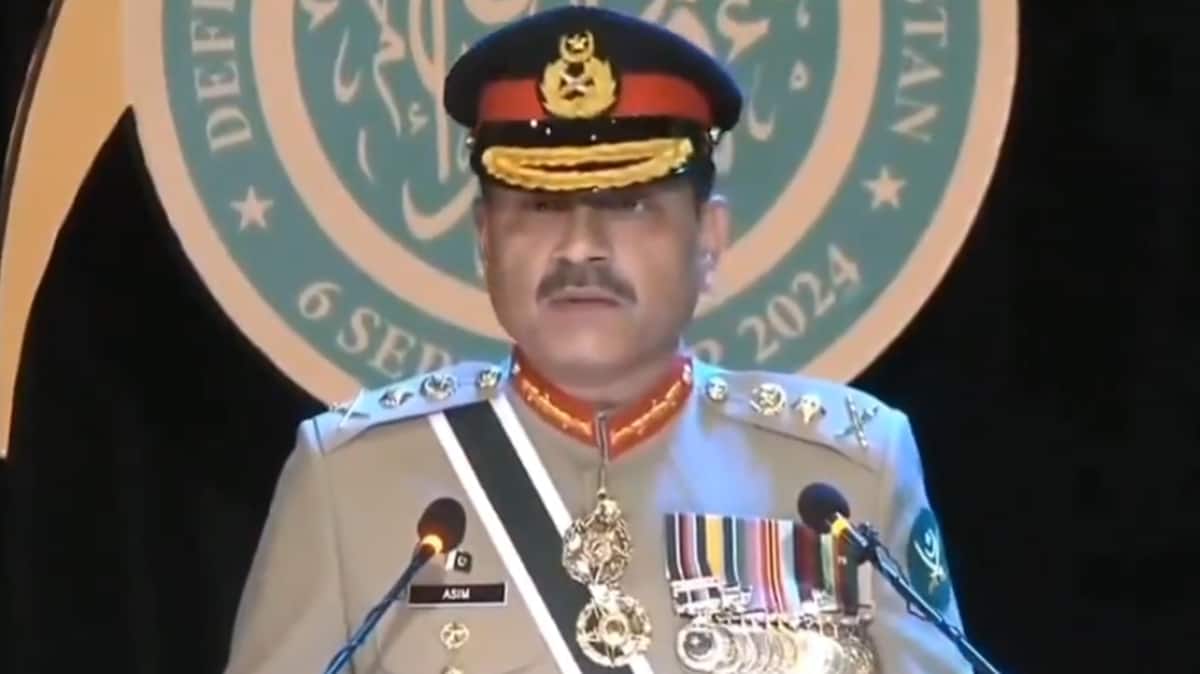

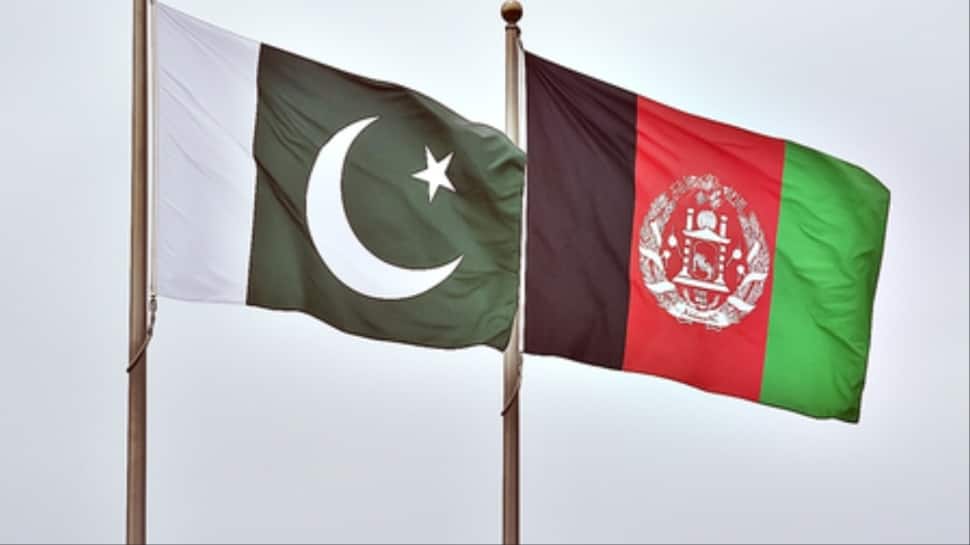

In a significant development, the Taliban administration in Afghanistan has issued a resolute warning to Pakistan, stating unequivocally that no foreign entity will be permitted to use Afghan territory for aggressive purposes. This declaration arises from the recent collapse of peace talks between Kabul and Islamabad, which failed to yield any positive outcomes. The Islamic Emirate of Afghanistan pledged to vigorously defend its citizens and borders against any encroachment. The official spokesperson reiterated Afghanistan’s long-standing policy: its land will not be leveraged for actions against other countries, nor will any nation be allowed to compromise Afghan sovereignty or security. The statement emphasized that protecting Afghanistan is a fundamental Islamic and national imperative. The Taliban also expressed gratitude to Turkey and Qatar for their crucial role as mediators in the failed dialogue. The Taliban further leveled serious accusations against elements within the Pakistani military, claiming they are deliberately fostering instability in Afghanistan. Kabul alleges that these ‘certain military elements’ view a secure and developed Afghanistan as a threat to their regional ambitions and are exploiting periods of instability to achieve their agenda. This heightened rhetoric follows recent deadly clashes along the shared border, significantly straining relations. The Taliban voiced strong disapproval of the Pakistani delegation’s conduct during the talks, describing it as ‘irresponsible and non-cooperative,’ attributing the breakdown directly to this attitude. Nevertheless, the Taliban extended an olive branch to the people of Pakistan, referring to them as ‘brothers’ and expressing hopes for lasting peace. Regarding Pakistan’s persistent assertions about the Tehrik-i-Taliban Pakistan (TTP)’s resurgence being tied to the Taliban’s takeover, Kabul unequivocally refuted these claims as ‘false and baseless.’ The Taliban spokesperson maintained that militancy in Pakistan is a pre-existing internal challenge, not a consequence of their governance. To bolster regional security, Kabul detailed measures undertaken, such as promoting intra-community dialogue, managing border refugee movements, and prohibiting unauthorized weaponry in refugee settlements, all designed to de-escalate tensions and foster stability.