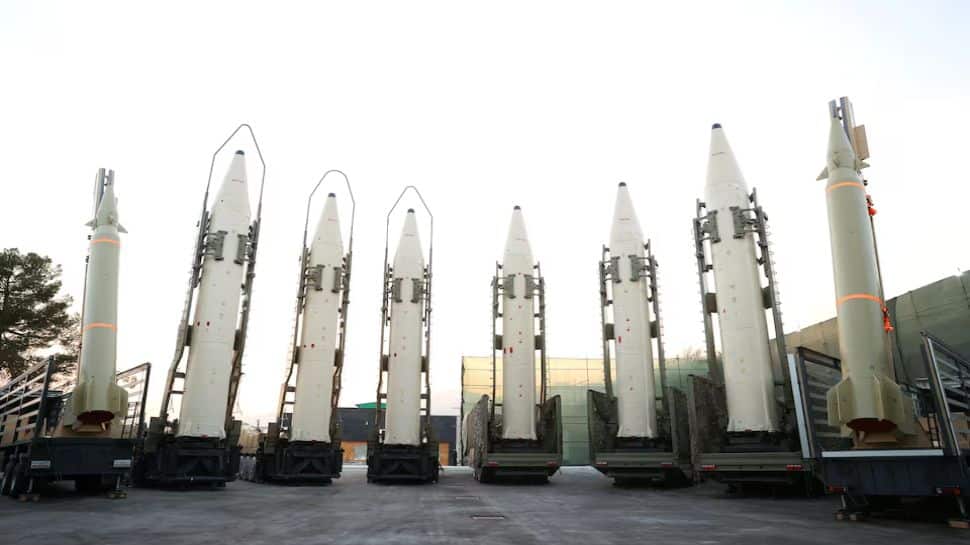

Washington has launched a major offensive against Iran’s international missile and drone procurement networks, sanctioning 32 individuals and entities across seven countries. Key nations affected include India, Iran, China, Hong Kong, the UAE, and Turkiye. The US State Department asserts that these networks are vital to the Islamic Revolutionary Guard Corps (IRGC), enabling the development and expansion of Iran’s ballistic missile and unmanned aerial vehicle (UAV) programs. These sanctions aim to sever the flow of advanced weapons components and technologies to Tehran. This decisive action is a continuation of the US’s commitment to enforcing United Nations sanctions, reimposed after Iran’s persistent non-compliance with its nuclear deal obligations. The relevant UN Security Council resolutions place stringent prohibitions on the transfer of weapons technology and dual-use items contributing to Iran’s military ambitions. The US is urging all member states of the UN to actively participate in preventing the movement of such materials and to take decisive steps against Iran’s proliferation activities. Evidence suggests these procurement efforts often operate through shell companies and intermediaries to circumvent international restrictions. This latest round of sanctions is a key component of a broader US strategy to counter Iran’s asymmetric warfare capabilities and limit its regional influence. The US Treasury Department has designated these entities under specific executive orders related to weapons of mass destruction proliferation and combating the financing of terrorism. The US government has made it clear that it will relentlessly pursue and dismantle Iran’s illicit supply chains, stating that Iran’s missile and drone programs represent a significant and unchecked threat to international stability.