
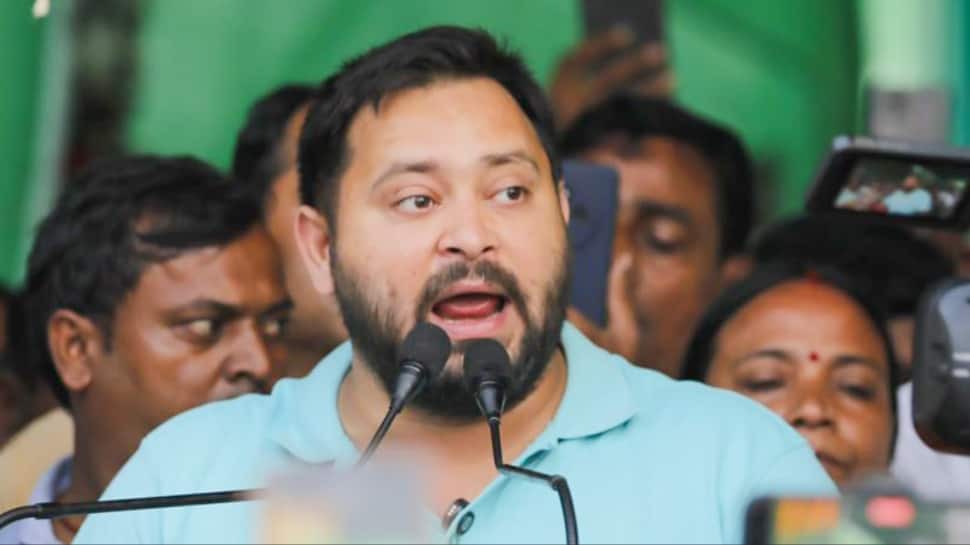

The 2025 Bihar Assembly Election results have seen the Mahagathbandhan, led by Tejashwi Yadav and the RJD, face a significant electoral defeat. As vote counting progressed on November 14th, early trends firmly placed the NDA well ahead, projected to win over 185 seats, while the opposition coalition was limited to roughly 54 seats. This outcome underscores a rejection of the alliance’s campaign strategy and its appeal to the electorate.
Analysis reveals five primary strategic missteps that contributed to the Mahagathbandhan’s downfall:
**Over-emphasis on Yadav Candidates:** The RJD’s decision to field 52 Yadav candidates, a considerable increase and approximately 36% of their total nominations, backfired. This concentrated effort to mobilize the Yadav vote bank instead amplified the party’s ‘casteist’ image. It also alienated key non-Yadav demographics, including upper castes and the Extremely Backward Classes (EBCs), who largely opted for the NDA. The BJP effectively capitalized on this by framing the election as a choice against a potential ‘Yadav Raj.’
**Alienating Ally Partners:** Tejashwi Yadav’s approach appeared to be dominated by the RJD, leading to friction with coalition partners such as the Congress and Left parties. Issues in seat-sharing negotiations and a lack of perceived equality within the alliance weakened its cohesive front. The alliance’s manifesto being branded as ‘Tejashwi’s Pledge’ and the marginalization of allied leaders in campaign visuals contributed to a fractured opposition and strengthened the NDA’s image as a united alternative.
**Lack of Credible Economic Plans:** The Mahagathbandhan’s campaign was built on ambitious populist promises, including guaranteed government jobs and enhanced social security. However, the absence of a detailed, well-funded roadmap for implementing these promises led to voter skepticism. The repeated delays in presenting a concrete plan for job creation made these pledges appear unrealistic and unsubstantiated.
**The ‘Muslim Appeasement’ Perception:** The alliance faced significant challenges due to a perception of prioritizing Muslim interests. This narrative, exploited by political opponents, led to a negative reaction among broader sections of the electorate, even within segments of the Yadav community. The BJP effectively used historical context, such as past statements on the Waqf Bill, to further polarize voters.
**Navigating Lalu Prasad Yadav’s Legacy:** Tejashwi Yadav struggled to effectively manage his father’s complex political legacy. While promoting the RJD’s social justice agenda, he simultaneously attempted to distance the party from the ‘Jungle Raj’ era by downplaying Lalu’s presence in campaign materials. This inconsistent messaging allowed the NDA to criticize Tejashwi for being ashamed of his father’s past, rather than presenting it as a forward-looking strategy.