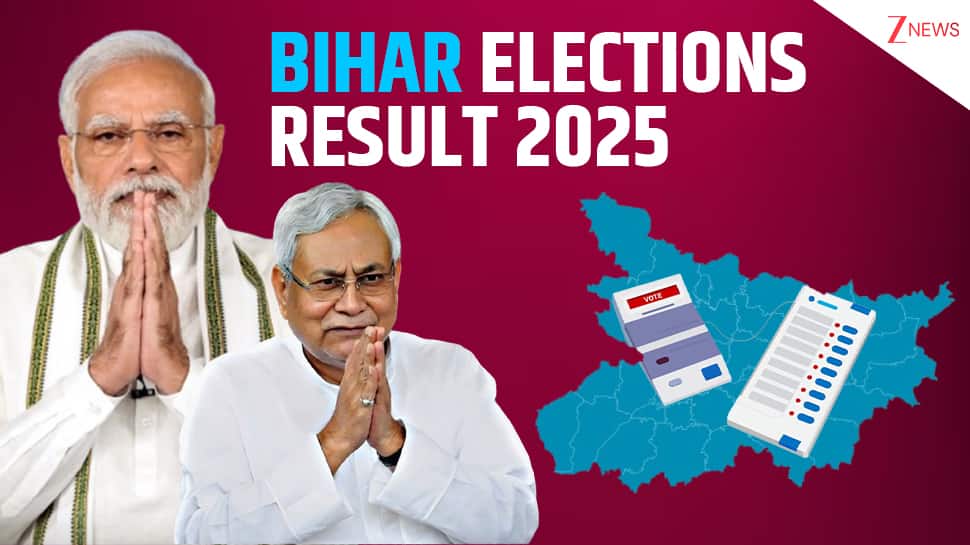

The National Democratic Alliance (NDA) has achieved a decisive victory in Bihar, significantly altering the state’s political dynamics and marking a major disappointment for the Rashtriya Janata Dal-Congress alliance. What many predicted would be a close election, influenced by a strong anti-incumbency wave against Nitish Kumar, turned into a comprehensive defeat for the Mahagathbandhan. These results point to deeper strategic shifts that began well before the Bihar polls.
The RJD-Congress alliance entered the Bihar election with seemingly stronger preparations, including outreach campaigns by Rahul Gandhi and Tejashwi Yadav that aimed to galvanize support. Both leaders appeared more prepared to challenge the BJP-JD(U) alliance. However, their campaign strategy ultimately proved insufficient.
A critical factor may have been the Congress’s ambiguity regarding Tejashwi Yadav as the chief ministerial candidate, potentially signaling a lack of cohesive strategy. Prime Minister Narendra Modi effectively used the narrative of ‘Katta Raj’ and ‘Jungle Raj’ linked to Lalu Prasad Yadav, tapping into voter memories and concerns, even though the RJD attempted to keep its patriarch out of public view.
The initial signs of this electoral pattern were observed in Haryana, where the BJP secured an unexpected victory despite predictions of a downturn. Many felt the Congress had failed to capitalize on a strong position in Haryana. This unexpected surge was mirrored in Maharashtra, where the NDA achieved a landslide win in assembly elections, reversing a perceived negative trend following the Lok Sabha polls. The subsequent wins in Madhya Pradesh and Chhattisgarh further solidified this emerging trend.
A crucial element of the NDA’s recent success is the strategic deployment of targeted financial assistance to women voters. This approach was notably employed in Madhya Pradesh with the ‘Ladli Behna Yojana,’ where significant sums were transferred to women’s accounts shortly before the elections, yielding substantial political dividends.
In Bihar, the state government’s timely announcement of cash transfers for women, alongside enhanced electricity subsidies and pension increases, dramatically shifted the electoral mood. This move countered the Mahagathbandhan’s promises of future financial aid. Voters, particularly women, appeared to prioritize the certainty of immediate benefits over the assurances of the opposition.
Beyond welfare schemes, the NDA demonstrated a refined approach to caste politics. The inclusion of Chirag Paswan’s Lok Janshakti Party and Upendra Kushwaha’s Rashtriya Lok Manch bolstered the NDA’s support base among key communities. This strategic alliance proved effective in consolidating votes, despite some initial concerns about coalition stability.
Conversely, the opposition’s caste-based strategies, despite incorporating new allies, failed to achieve the same level of consolidation as the NDA. The Bihar election outcome represents a significant setback for the opposition, eroding the optimism derived from the BJP’s performance in the general elections. The opposition now faces the challenge of understanding and responding to the NDA’s evolving electoral tactics and the changing voter sentiment.
The consistent performance of the NDA across states like Haryana, Maharashtra, and Bihar suggests a strategic advantage in navigating the contemporary electoral landscape, while the opposition continues to struggle to adapt its approach.