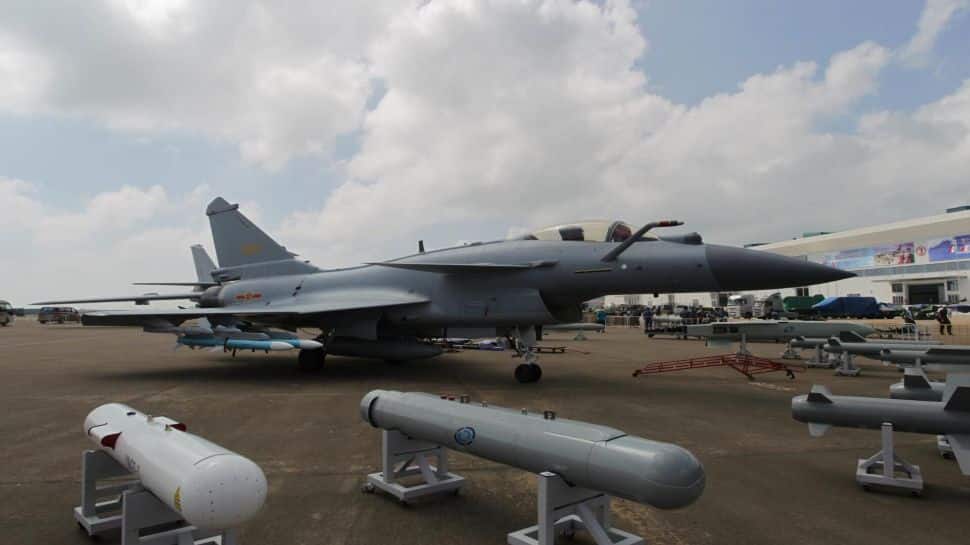

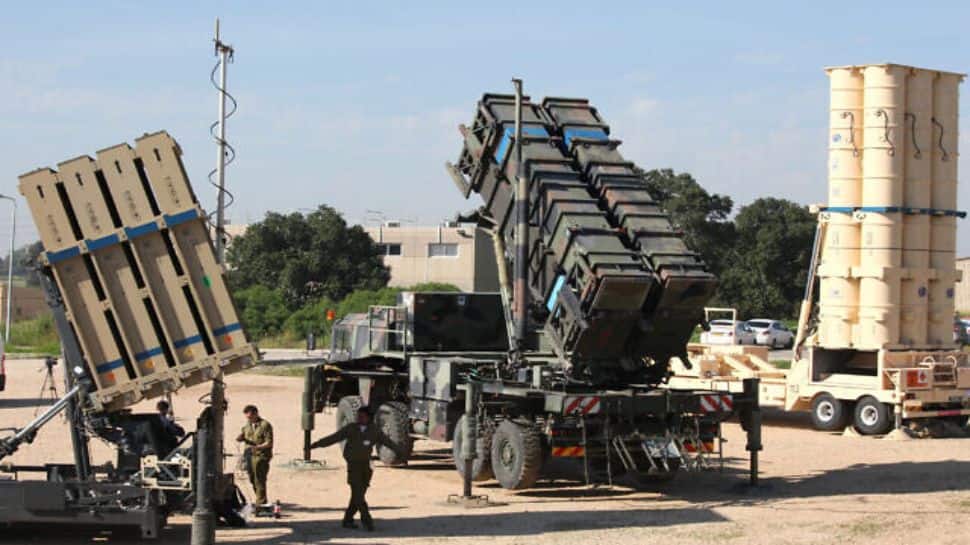

A monumental defence agreement, valued at 2 billion euros, has been forged between Israel and Germany, signaling a dramatic shift in international military partnerships 80 years after the atrocities of the Holocaust. The deal involves Germany acquiring sophisticated Israeli missile technology, including Spike anti-tank missiles, drones, and air-defence systems. This collaboration represents a significant reversal of historical roles, with Germany now depending on Israeli defence expertise.
At the recent G7 summit, German Chancellor Friedrich Merz articulated a powerful statement about Israel’s strategic importance, remarking that the nation was performing “the dirty work for all of us.” This declaration underscores the profound level of trust Germany has placed in Israel’s security capabilities, a stark departure from the past.
Germany is embarking on an ambitious military build-up, aiming to establish the continent’s most robust defence force. Decades of underfunding have left the German military in need of modernization, and the current government is implementing reforms to dramatically increase defence spending. Plans are underway to bolster troop numbers through a lottery recruitment system, alongside a comprehensive procurement list for new equipment worth 37.7 billion euros. A substantial portion of this ambitious plan hinges on advanced defence solutions sourced from Israel.
Leaked financial documents reveal the specifics of this strategic investment. Over 700 million euros are dedicated to purchasing self-exploding drones from the Israeli company Elbit, and an additional 100 million euros will fund ammunition for Heron drones. The 2 billion euro contract for Spike anti-tank missiles stands as one of Israel’s largest defence export deals in Europe. Furthermore, intelligence collaboration has been demonstrated through Mossad’s assistance to German authorities in recent high-profile arrests in Berlin.
This deepening defence relationship includes a prior acquisition of the Arrow-3 missile defence system by Germany from Israel in 2023, a deal worth 4 billion euros, designed to counter intercontinental ballistic threats. Israeli defence officials have emphasized the unique historical significance of this alliance, noting the transition from past persecution to present-day mutual defence.
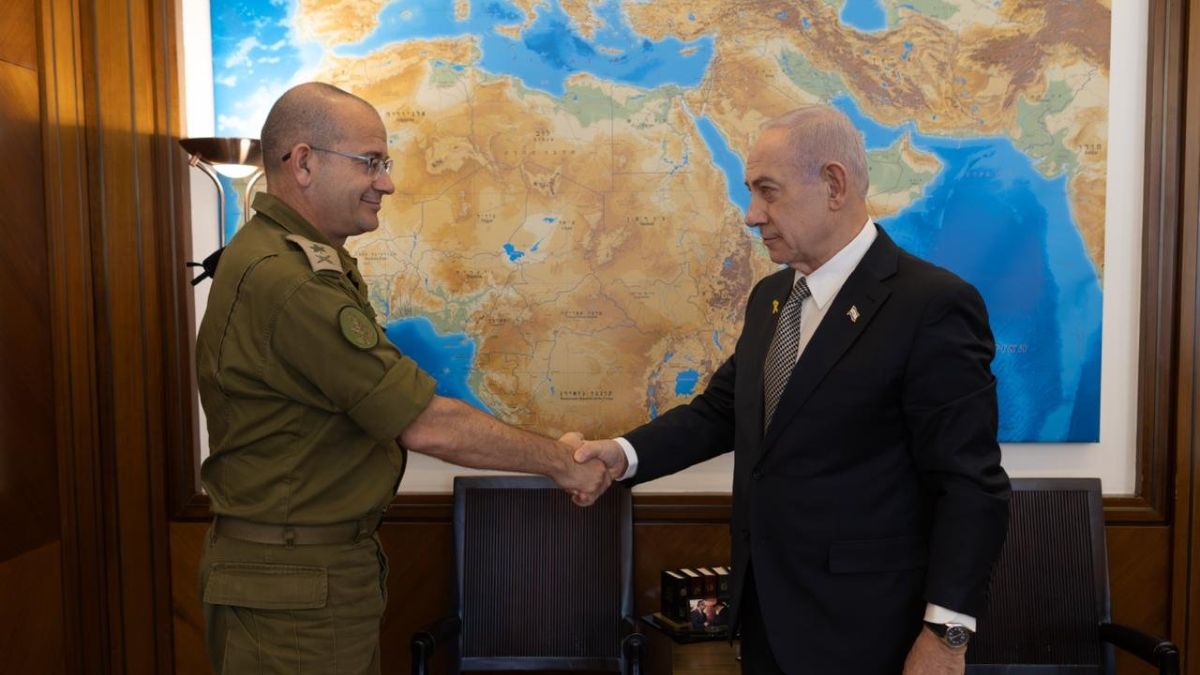
Major General Amir Baram from Israel’s Ministry of Defence commented on the profound implications, stating, “Germany’s trust in our capabilities sends a message of leaving historical pain behind. We are proud that our systems are now part of Germany’s new army.” Chancellor Merz, whose family has historical ties to the Nazi party, has demonstrated a personal awareness of this complex past, notably becoming emotional at a ceremony marking the reopening of a Munich synagogue destroyed during the Nazi era.
Within Germany, Merz’s strong pro-Israel policy has faced scrutiny, particularly regarding the conflict in Gaza. While Germany has previously paused arms supplies to the region, Merz has acknowledged the difficult humanitarian situation. The Israeli ambassador in Berlin has assured that Germany’s critical feedback is valued and carefully considered by the Israeli government.