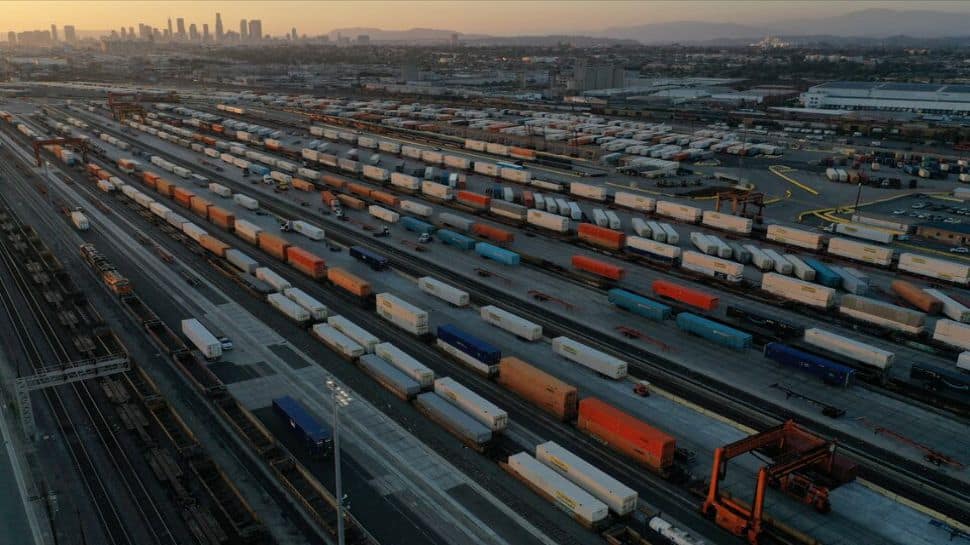

Discover the sheer scale of the United States’ railway network, the largest on Earth. Stretching over 220,000 kilometers, these tracks could loop around the planet more than five times. This vast infrastructure is the lifeblood of the nation, transporting everything from raw materials to finished goods, linking distant corners of the country and fueling economic activity.
The history of American railways is a story of ambition and expansion, beginning in the 1800s with private ventures to conquer vast distances. The iconic completion of the first transcontinental line in 1869 was a pivotal moment, transforming commerce and travel. A unique characteristic of the US system is its predominantly private ownership, especially for freight lines, which allowed for rapid and extensive development over the years. Today, a handful of major Class I railroad companies manage the majority of these vital routes.
While passenger rail services, such as those operated by Amtrak, exist, the system’s primary focus is freight. The US rail network is a global leader in moving immense quantities of cargo efficiently. Trains carrying coal, grain, automobiles, and containerized goods traverse thousands of miles, offering unparalleled logistical advantages. The environmental benefits are considerable, with freight trains being significantly more fuel-efficient than trucks, moving a ton of cargo hundreds of miles on a single gallon of fuel equivalent.
This intricate web of tracks, managed by thousands of companies, is more than just a transportation system; it’s a fundamental pillar of the American economy. Its continuous reinvestment in infrastructure ensures its longevity and efficiency. From a historical perspective to its modern role in supply chain resilience and sustainable logistics, the US railway network remains an unparalleled achievement and a vital component of national prosperity and environmental responsibility.