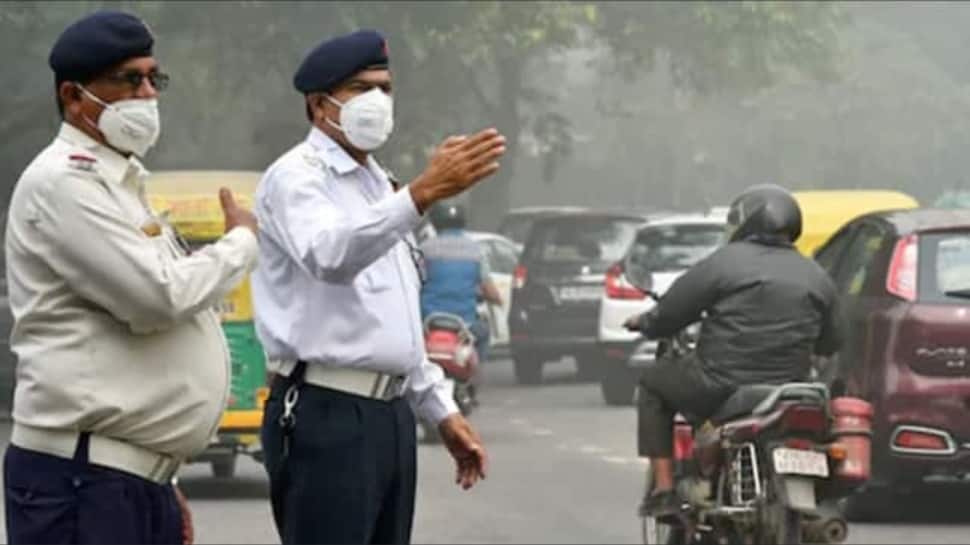

The National Capital Region is experiencing an unprecedented air pollution emergency, with the Air Quality Index (AQI) surging towards 600 and beyond in key cities like Delhi, Noida, and Gurugram. The severe deterioration of air quality has compelled authorities to implement the highest emergency response level, GRAP Stage 4, under the Graded Response Action Plan (GRAP).
GRAP Stage 4 introduces the most severe restrictions designed to combat extreme pollution levels. These measures are layered on top of all previously enacted controls from Stages 1, 2, and 3. A significant impact will be felt by the transportation sector, with a ban on the entry of trucks into Delhi, barring those carrying essential goods or operating on cleaner fuel technologies such as CNG, LNG, BS-VI diesel, and electric power. All construction work at public and government sites has been ordered to cease, in addition to the existing ban on other construction activities. Non-essential commercial vehicles from outside the NCR are also banned, with exceptions for CNG and BS-VI diesel vehicles. To tackle vehicular pollution, a directive mandating 50% of employees to work from home has been issued for both government and private offices.
The GRAP is a calibrated response system, with four stages designed for progressively worsening air quality. Stage 1 manages ‘Moderate to Poor’ AQI, Stage 2 addresses ‘Very Poor’ conditions, and Stage 3 targets ‘Severe’ AQI (401+) with specific vehicle and construction bans. Stage 4 is reserved for ‘Severe Plus’ AQI (450+) emergencies, enacting the most extreme measures. In light of the critical health risks associated with the current air pollution levels, residents are urged to stay indoors as much as possible, wear protective masks, and follow all official health advisories.