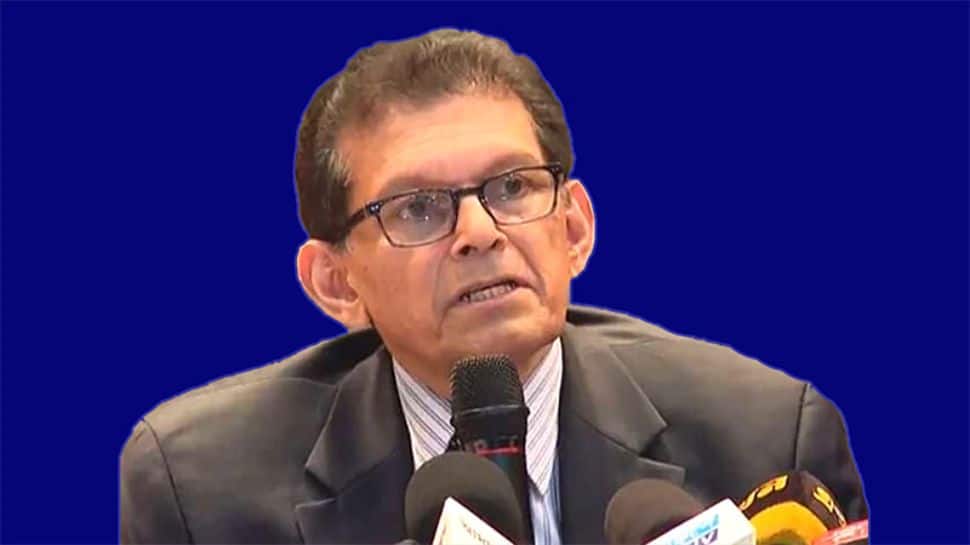

New Delhi has become the center of strategic attention following the unannounced early arrival of Bangladesh’s National Security Adviser, Khalilur Rahman, on November 18th. His flight landed a day before his scheduled November 19th arrival, prompting immediate speculation about the broader implications for bilateral relations. This accelerated schedule has amplified discussions among experts analyzing regional security dynamics.
The National Security Advisers’ Colombo Security Conclave, slated for November 20th, is the official event drawing Rahman to the Indian capital. While the agenda points to standard regional security dialogues, diplomatic sources suggest Rahman’s advance presence signifies ongoing, potentially sensitive, conversations between New Delhi and Dhaka. This development gains importance in the context of recent periods of strained political discourse between the two neighboring countries.
Rahman’s trip, initiated by an invitation from Indian counterpart Ajit Doval, aims to bolster regional cooperation, according to the Bangladesh Prime Minister’s office. His leadership of the delegation at the conclave, set for November 19-20, reflects the interim government’s policy of prioritizing such collaborations. This visit is Rahman’s first to India since assuming his NSA responsibilities on April 9, 2025. His prior experience as a key envoy on the Rohingya crisis, advocating for humanitarian aid and the ‘humanitarian corridor’ initiative, adds another dimension to his profile.
Adding to the intrigue, Rahman met with the Indian High Commissioner Pranay Verma shortly after arriving in Dhaka. Bangladeshi authorities consistently highlight the interim government’s commitment to regional partnerships and Rahman’s active engagement with international bodies. His decision to arrive in Delhi ahead of schedule is the dominant talking point, widely interpreted as an indicator of more profound, unpublicized discussions scheduled to take place.