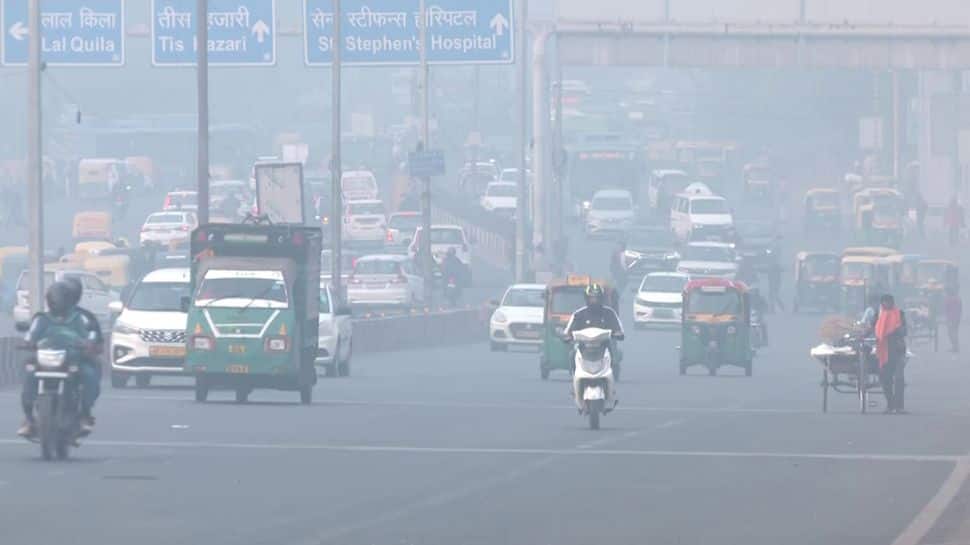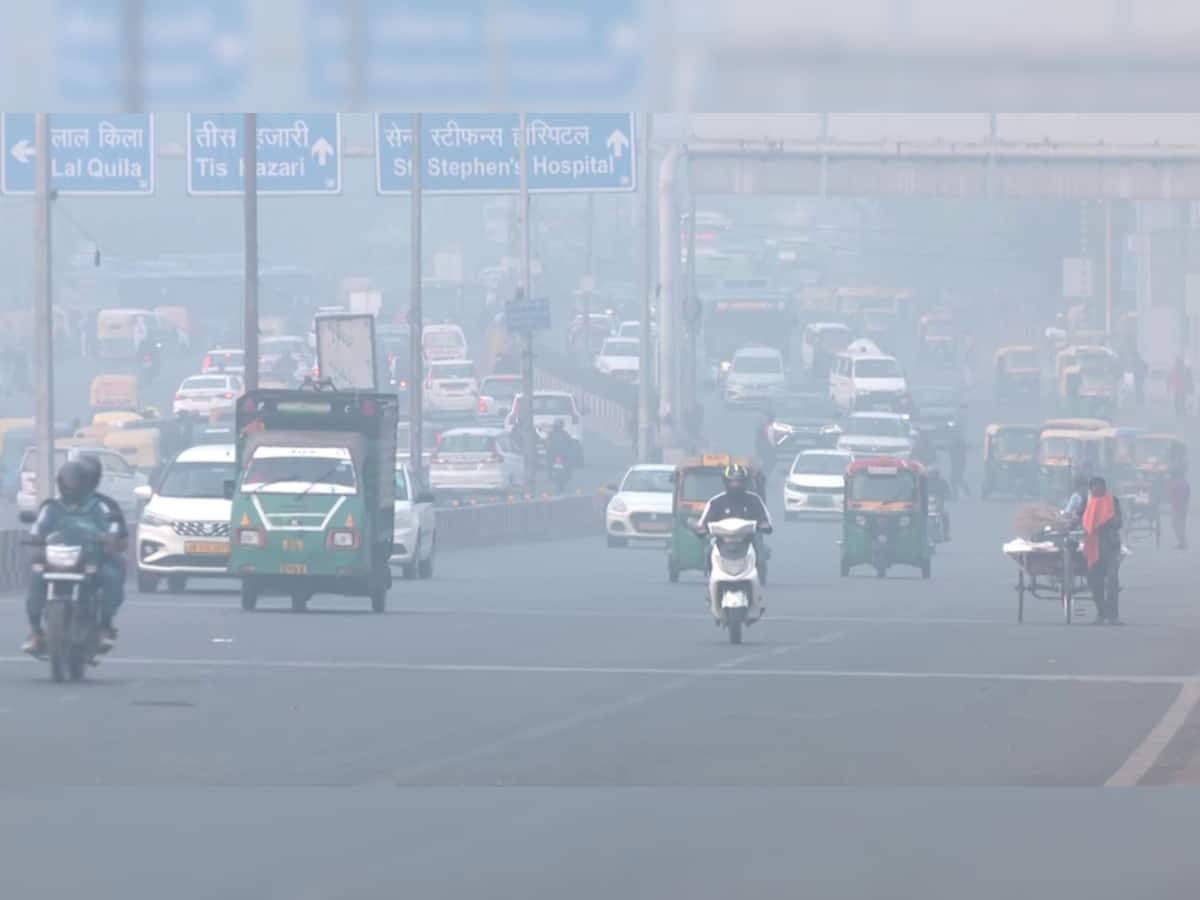

With winter pollution reaching critical levels across India, car air purifiers are transitioning from a niche product to an essential automotive accessory. These devices are crucial for protecting commuters from the hazardous smog that blankets major cities, ensuring a healthier travel experience. The global car air purifier market is experiencing robust growth, anticipating a valuation of USD 15.1 billion by 2035, driven by a compound annual growth rate exceeding 16 percent. Indian cities, notorious for their poor air quality, are at the forefront of this demand, with residents in Delhi, Mumbai, and other affected areas actively seeking cleaner air solutions for their vehicles.
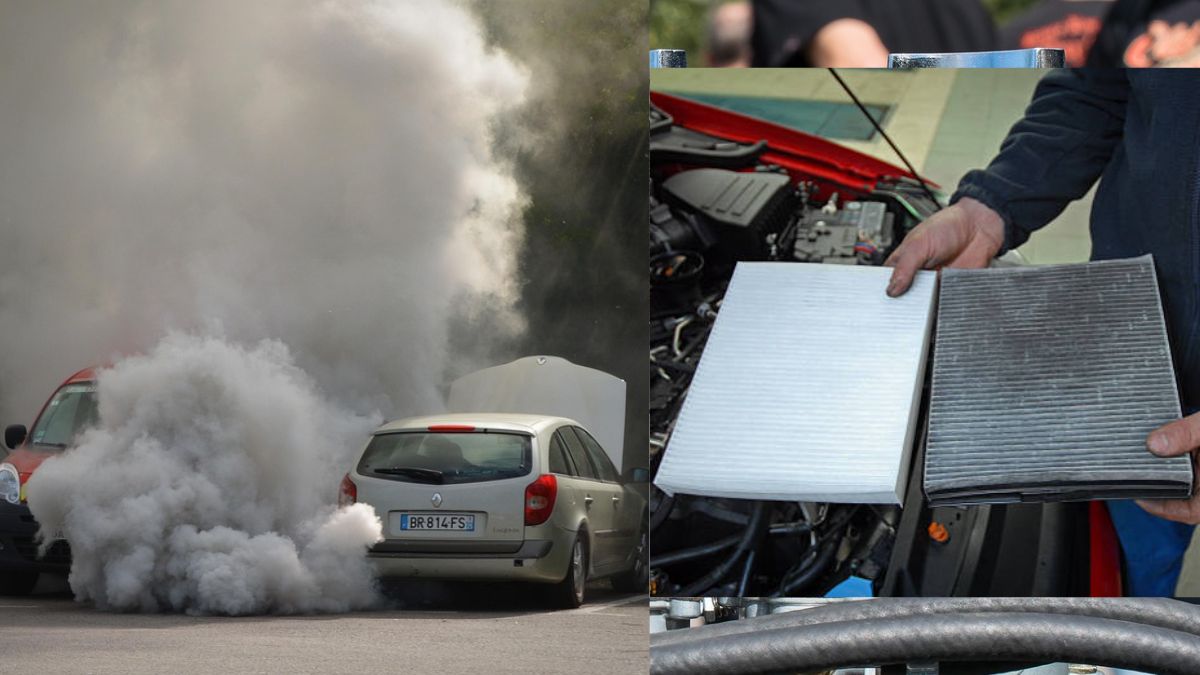
These compact purifiers are designed to meticulously clean the air circulating within a car’s cabin. They employ a combination of HEPA filters, activated carbon, and ionizers to effectively capture and remove fine dust particles (PM2.5, PM10), volatile organic compounds (VOCs), allergens, and smoke. This diligent filtration process helps mitigate common respiratory issues like coughing, sneezing, and itchy eyes, providing much-needed relief for daily commuters.
The automotive sector is responding to this evolving need. Several premium vehicle manufacturers, including Hyundai, Toyota, and MG, are now offering models equipped with built-in air purifiers. Simultaneously, leading brands like Philips, Honeywell, and Eureka Forbes are seeing significant sales of their aftermarket purifiers through online retail channels. The increasing urbanization, heavy traffic congestion, and widespread construction continue to degrade outdoor air quality, making in-car purification a priority.
India’s market for car air purifiers is expanding rapidly, estimated at a 20 percent CAGR, mirroring global trends but with a unique focus on accessibility across vehicle segments. This includes mid-range cars and commercial fleets aiming to enhance passenger comfort and safety. While beneficial, users should be mindful that purifiers target internal air quality and necessitate periodic filter replacement. Nevertheless, the growing health awareness and technological advancements point towards an accelerated adoption of smarter, more efficient car air purification systems in the Indian market.