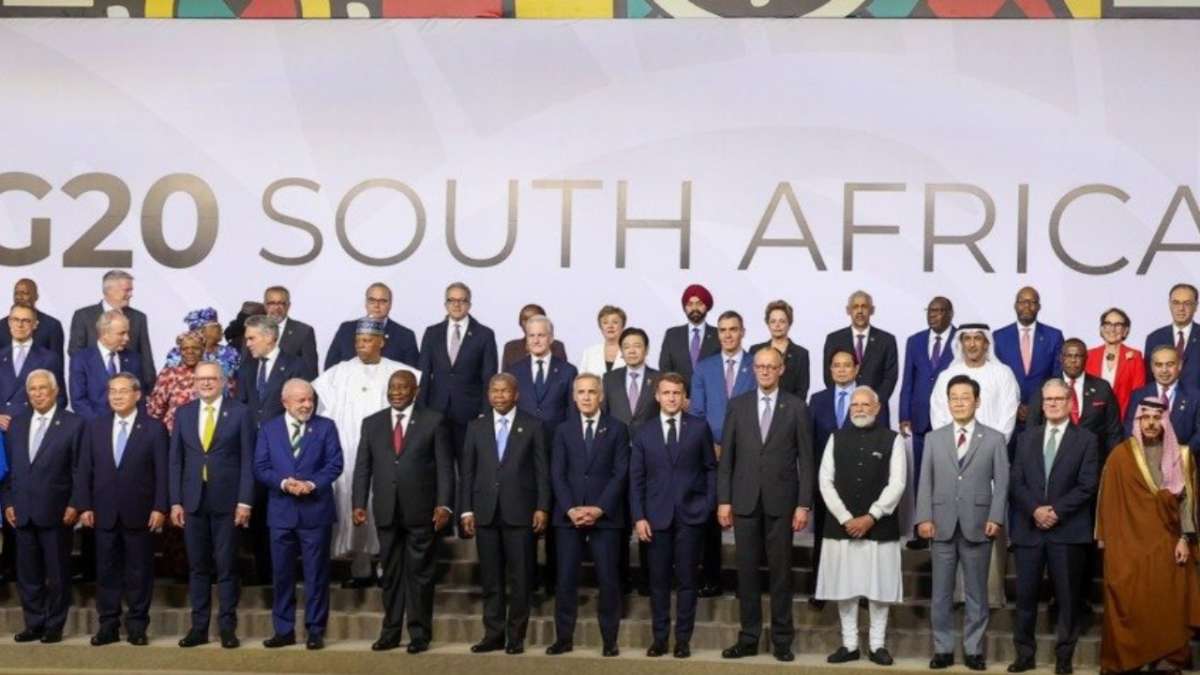

Leaders at the G20 Summit have united behind a declaration asserting that solidarity, equality, and sustainability are the fundamental pillars of inclusive growth. The extensive 39-page document acknowledges the prevailing global environment, marked by heightened geopolitical competition, widespread conflicts, and growing economic disparities, all contributing to significant uncertainty and fragmentation. The commitment to multilateral cooperation and ensuring that ‘no one is left behind’ was a central theme.
The declaration explicitly recognizes the interconnectedness of the global community and pledges to foster this through coordinated policies, international partnerships for sustainable development, and mutual solidarity. This consensus was achieved despite significant geopolitical pressures. The leaders reaffirmed their dedication to upholding international law, including humanitarian law and the UN Charter, and to resolving disputes peacefully. This commitment serves as a crucial anchor in a challenging global climate.
A pointed reference was made to international norms, reminding nations of their obligation to refrain from using force to acquire territory, thereby upholding the sovereignty and territorial integrity of all states. The declaration also stressed the importance of fostering friendly international relations based on mutual respect for human rights and fundamental freedoms for all, without discrimination.
Disaster resilience and response were given considerable attention, with a specific focus on assisting those most affected. The declaration calls for increased support for Small Island Developing States (SIDS) and Least Developed Countries (LDCs), who are often disproportionately impacted by disasters and lack the financial capacity for recovery and adaptation. The critical issue of high debt levels in developing economies was also highlighted as a significant barrier to inclusive growth, restricting investments in essential areas such as infrastructure, healthcare, and education.
Energy security was defined as a prerequisite for national sovereignty, economic development, and global prosperity. The G20 commended the development of the Voluntary Energy Security Toolkit by the South African Presidency, recognizing its utility for nations seeking to bolster their energy systems. This toolkit aims to guide countries in adopting integrated approaches for energy technologies, risk management, infrastructure resilience, and emergency preparedness, with particular benefit for developing nations. The importance of sustainable industrialization for development and energy transitions was also emphasized, along with principles for equitable benefit sharing. The G20 Critical Minerals Framework was welcomed as a voluntary guide to harness critical mineral resources for sustainable development.
Food security remains a priority, with the declaration recognizing the fundamental right to be free from hunger and calling for stronger political will to improve food access and affordability. The potential of digital technologies and artificial intelligence to drive positive, equitable development was also acknowledged. Furthermore, the significant role of Multilateral Development Banks (MDBs) in poverty reduction and economic advancement was recognized. The declaration also addressed climate change action, anti-corruption measures, and the support for migrant workers and refugees.
The G20 reaffirmed its position as the primary platform for international economic cooperation, committed to the principles of multilateralism, consensus, and equal participation for all member states in its proceedings.