
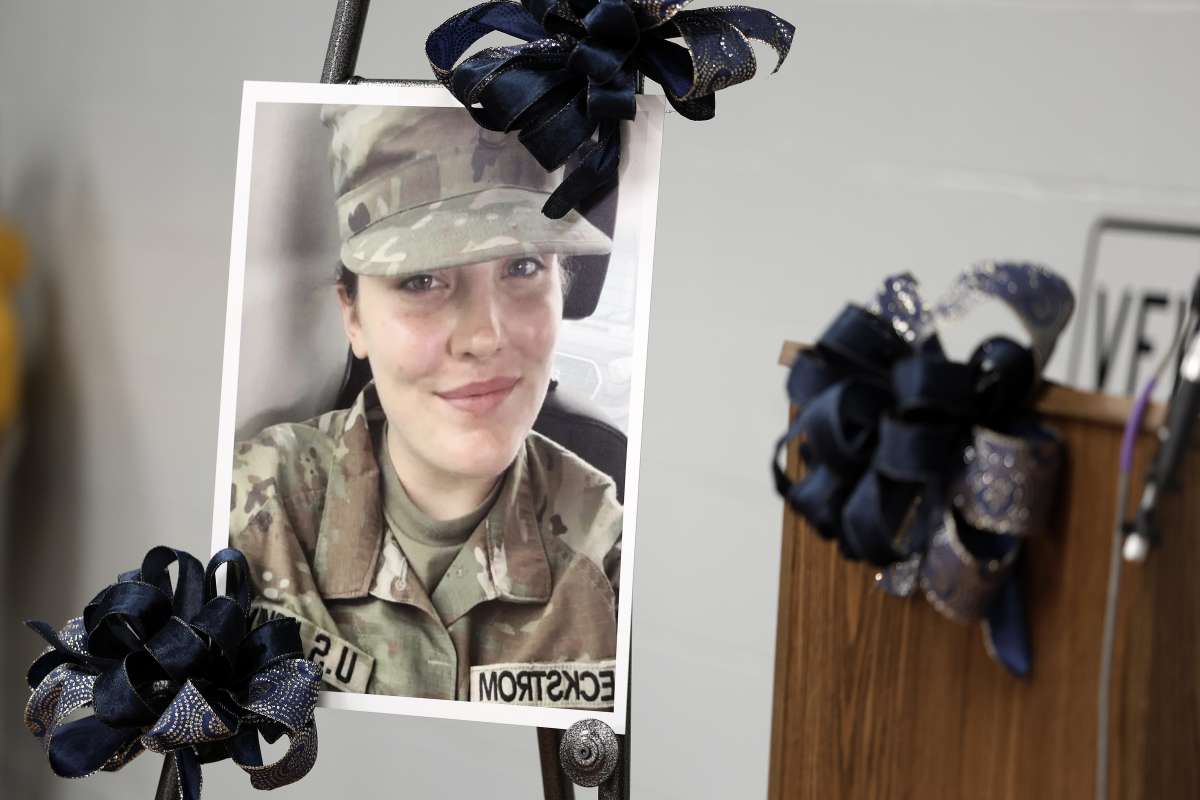

The individual arrested for a shooting incident near the White House, Rahmanullah Lakanwal, had a history marked by profound isolation and unpredictable actions, according to those who knew him. Lakanwal, an Afghan refugee, faced difficulties in securing and maintaining employment, often retreating into solitary confinement in dimly lit rooms for extended durations before embarking on spontaneous, long-distance road trips. His alarming behavior led a community liaison to contact a refugee support agency earlier this year, expressing grave concerns about his potential for self-harm. Emails reviewed by news outlets reveal a months-long trail of warnings about his psychological state and the overwhelming challenges of his life in the U.S. The attack, which occurred just before the Thanksgiving holiday, resulted in the tragic death of West Virginia National Guard Specialist Sarah Beckstrom and left Staff Sgt. Andrew Wolfe in critical condition. Lakanwal, 29, has been taken into custody and charged with first-degree murder. Friends and acquaintances expressed bewilderment, remembering him as a father engaged with his young sons and incapable of such violence. Lakanwal arrived in the U.S. in 2021 as part of a program for Afghan allies, having served in a specialized Afghan Army “Zero Unit” that partnered with U.S. forces. He settled in Bellingham, Washington, with his wife and five sons. However, communications with the U.S. Committee for Refugees and Immigrants (USCRI) indicated severe adjustment problems. An email from January 2024 detailed his unemployment since March 2023 and described protracted periods of extreme social withdrawal, during which he would remain isolated even from his family. Financial hardships became apparent, with overdue rent threatening eviction. While Lakanwal occasionally showed signs of recovery, attempting to connect with services, these were often disrupted by sudden, intense “manic” episodes involving extensive driving across the country. The emails also highlighted significant concerns for the children’s welfare, noting instances of neglect when Lakanwal was the primary caregiver, affecting their hygiene, nutrition, and schooling. A visit by USCRI staff in March 2024 followed these warnings, but communication with Lakanwal reportedly ceased thereafter, indicating a likely refusal of continued support.