
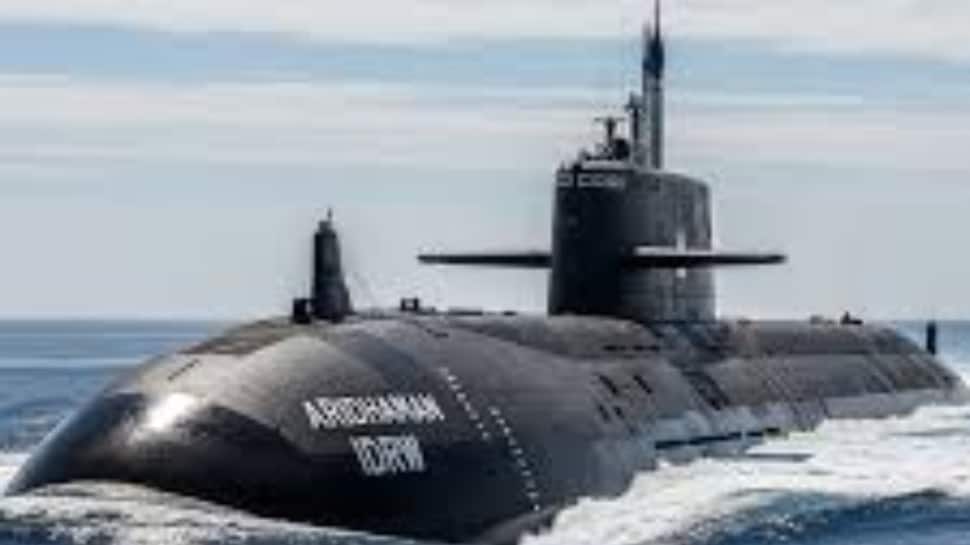

A pivotal moment for India’s strategic defense is approaching with the imminent commissioning of INS Aridhaman, the nation’s third indigenous nuclear-powered ballistic missile submarine (SSBN). Navy Chief Admiral Dinesh Tripathi announced that the submarine is nearing operational status. This development is particularly significant as it follows the commissioning of INS Arighaat, the second SSBN, in August of this year. Once INS Aridhaman is fully operational, India will achieve the strategic objective of having three ballistic missile submarines deployed at sea, thereby completing its sea-based nuclear triad.
Developed under the clandestine Advanced Technology Vessel (ATV) project, which commenced in the 1990s with an investment of over ₹90,000 crore, INS Aridhaman embodies cutting-edge indigenous submarine technology. Currently undergoing final advanced sea trials, the vessel is distinguished by its larger size, estimated at 7,000 tonnes displacement, compared to its predecessors. This enhanced displacement allows it to carry a more substantial payload of long-range K-4 nuclear-tipped missiles. Such an increase in missile-carrying capacity is crucial for extending India’s strike range and improving the resilience of its nuclear deterrent, a key component of its ‘No First Use’ policy. Looking ahead, a fourth SSBN is under construction, indicating continued growth in India’s strategic submarine force.
While the induction of INS Aridhaman highlights India’s progress in defense indigenization and self-reliance, its SSBN fleet is still scaling up to match major global nuclear powers. China operates a fleet of larger Jin-class submarines, and the U.S. Navy boasts a substantial number of Ohio-class SSBNs. The rapid induction of advanced platforms like INS Aridhaman underscores India’s commitment to maintaining a robust and credible minimum nuclear deterrent, essential for navigating the challenges of the Indo-Pacific region and ensuring strategic equilibrium.