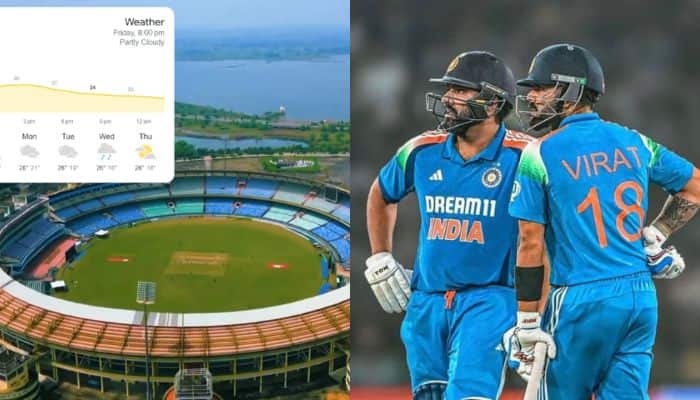

Raipur is geared up to host the second One Day International between India and South Africa, and the weather forecast promises ideal playing conditions. After a thrilling encounter in the first match, cricket enthusiasts are looking forward to another exciting showdown at the Shaheed Veer Narayan Singh Stadium. The primary concern for any ODI in this region is often the weather, but fortunately, Raipur is expected to be free of rain throughout the day. Fans can anticipate partly cloudy skies with sunshine, maintaining comfortable temperatures for a full 50-over match. The afternoon will be warm, around 27-28 degrees Celsius, followed by cooler evenings ranging from 15-20 degrees. This stable climate, along with light breezes and moderate humidity, suggests minimal atmospheric interference for bowlers early in the game.
The true challenge in the second innings will stem from the inevitable dew. As the evening progresses and temperatures drop, the outfield at the stadium is expected to become significantly moist from around 8:30 PM onwards. This increased moisture can lead to a faster outfield, assisting stroke play, and will make it harder for bowlers to grip the ball. Spinners, in particular, may find it difficult to impart turn. Consequently, teams batting second might find themselves in a more advantageous position, prompting captains to consider bowling first to leverage these conditions. Past matches in Raipur have shown a trend where chasing sides benefit from the late-evening dew.
On the pitch front, the Shaheed Veer Narayan Singh Stadium offers a competitive surface. Its black soil composition typically provides decent bounce early on, but it tends to slow down as the game unfolds. This balance allows for effective contributions from both pacers and spinners, provided they execute their plans well. Unlike some of the more extreme pitches, this venue offers a fair contest for both batsmen and bowlers. A competitive first-innings score is generally considered to be in the range of 270-300. The pitch might have a slightly tacky feel initially, with stroke play becoming easier as the day progresses and dew sets in later. The teams will need to be highly adaptable to thrive in these conditions.