
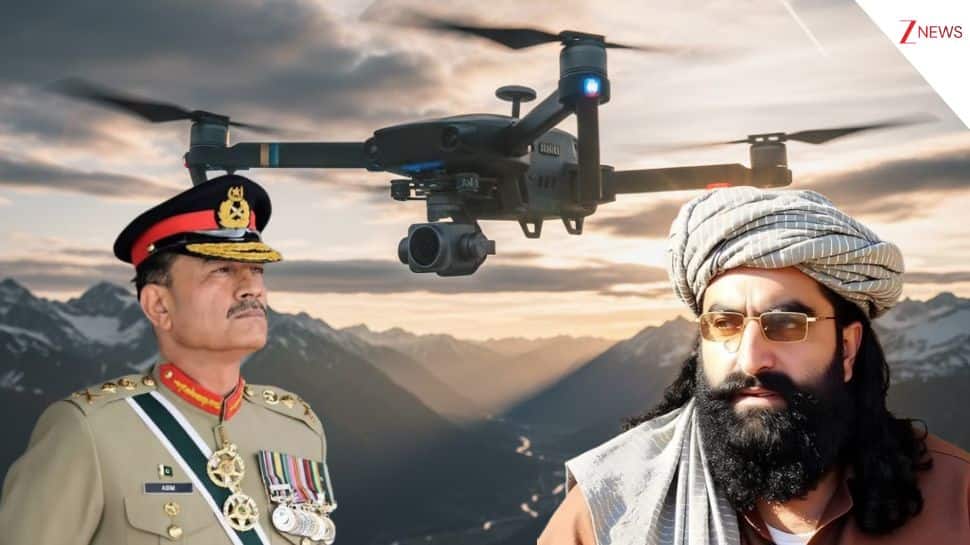
A chilling new phase of the conflict has emerged with the Tehrik-e-Taliban Pakistan (TTP) formally announcing the creation of its own Air Force unit, set to be operational by the end of 2026. This strategic expansion involves a reshuffling of leadership, including the appointment of new zone commanders and the establishment of this crucial aerial division under Saleem Haqqani. The TTP has already showcased its capabilities with quadcopter drones in regions like Khyber Pakhtunkhwa, employing commercially available drones modified for explosive payloads. These attacks have resulted in civilian casualties and injuries to police officers, highlighting a concerning trend of escalating violence. The establishment of a dedicated Air Force unit implies a more sophisticated and coordinated approach to aerial warfare, potentially involving enhanced drone technology and strategic deployment. The international community and Pakistani security analysts are scrutinizing how a banned organization can acquire advanced aerial assets, especially military-grade drones. Speculation points to potential black market channels or indirect support, especially given past allegations of illicit arms transfers by elements within Pakistan’s military. Meanwhile, the Pakistani Army’s engagement in manufacturing and selling consumer goods, such as biscuits and detergents, has drawn criticism for potentially diverting attention from critical national security threats. As the TTP’s ambitions grow, its new aerial dimension poses an unprecedented challenge to Pakistan’s defense capabilities.
Related Posts