
India is strategizing to enhance its self-reliance in the realm of rare earth materials, which are indispensable for electric vehicles and defense systems. Currently, India is largely reliant on imports to meet its requirements. A recent report, ‘From Extraction to Innovation,’ prepared by Primus Partners, suggests methods to increase the domestic production of rare earth magnets, which is a key element of the government’s Make in India campaign.
The report emphasizes a five-point roadmap for the growth of the rare earth magnet sector in India. This includes providing long-term price guarantees for NdPr oxide and NdFeB magnets to ensure confidence for investors and manufacturers. It also suggests establishing pilot hubs in states rich in minerals to boost production and research. Furthermore, the report highlights the need to rapidly increase the production capacity of Indian Rare Earths Limited (IREL) to strengthen the domestic supply chain. The creation of a National Magnet Stockpile is proposed to tackle the projected increase in demand. Finally, the report suggests a central cell under NITI Aayog or the Department for Promotion of Industry and Internal Trade (DPIIT) to coordinate and oversee the implementation of these plans.
Over the past year or two, the government has implemented some significant steps. In the 2024-25 budget, customs duties on several crucial minerals were removed. In Visakhapatnam, IREL launched its Rare Earth Permanent Magnet (REPM) plant last year. The plant, built with an investment of around 197 crore rupees, has an annual capacity of 3,000 kilograms.
China currently controls approximately 90% of the global market for rare earth magnet production. This dominance means that the world’s supply is subject to Beijing’s regulations and export controls. While India has mineral reserves, it currently has limited capabilities in the exploration, extraction, and processing of these minerals. Exploration work is underway in Jammu and Kashmir, Rajasthan, Jharkhand, and Karnataka.
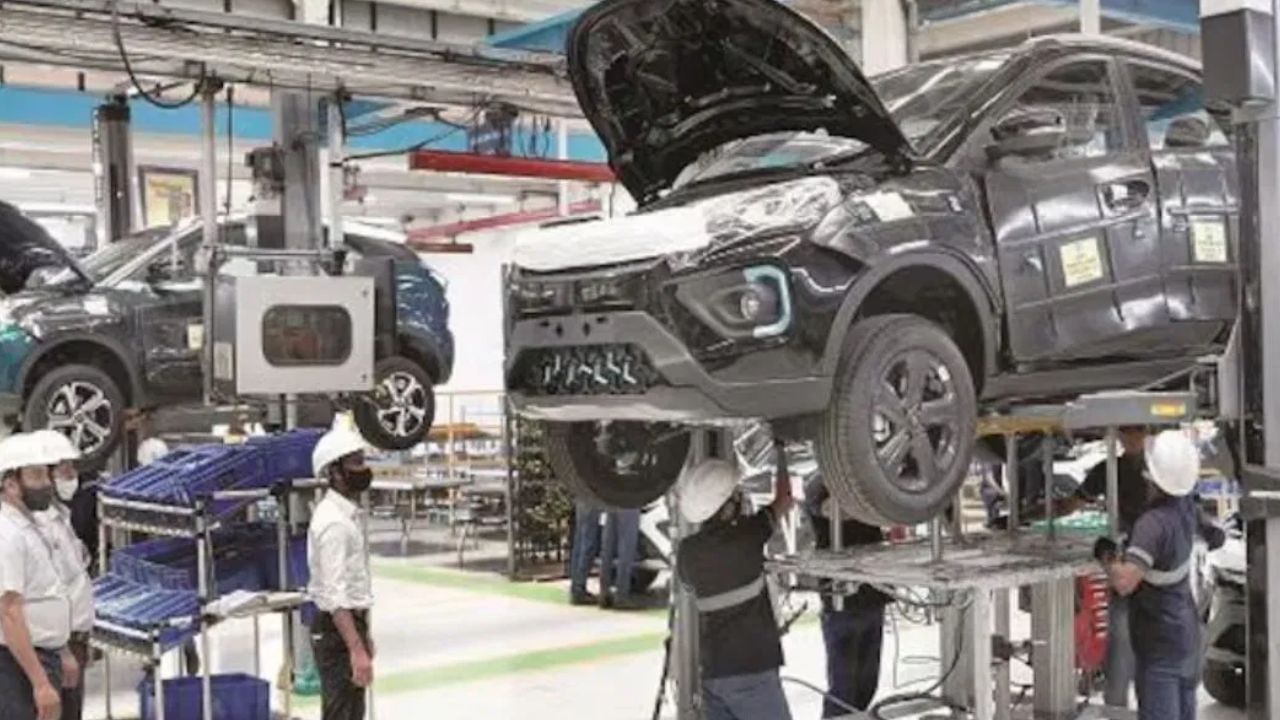
India aims to achieve 30% electric vehicle penetration by 2030, and has a target of net-zero emissions by 2070. Each electric vehicle uses about 2 kilograms of NdFeB magnets. According to media reports, India’s demand is likely to exceed 7,000 tons by 2030, and this demand is not restricted to EVs; renewable energy, automation, and the defense sectors are also competing for these crucial materials.