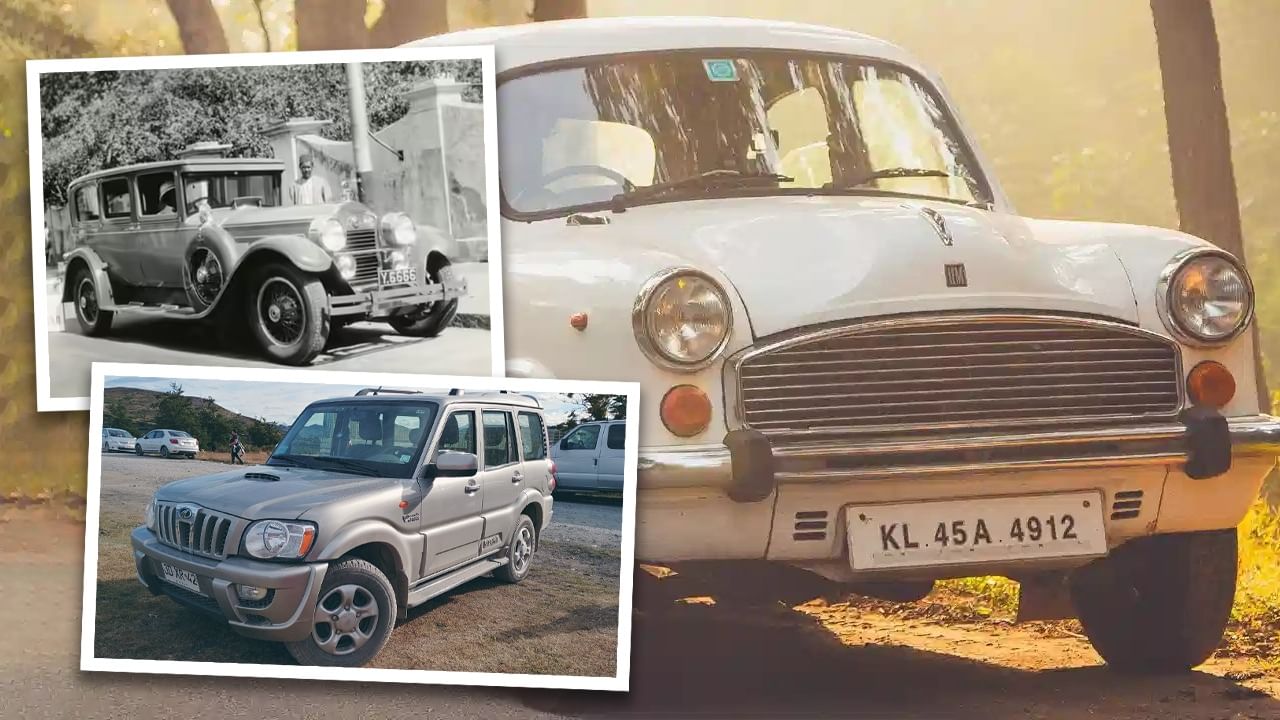

The Indian auto industry’s evolution over the past 79 years is a testament to its remarkable growth. In the post-independence era, the focus was on basic necessities, making cars a luxury. The foundation was set before independence with companies like Tata Motors, Mahindra & Mahindra, Hindustan Motors, and Premier. Limited options characterized the 1950s and 1960s, with cars being scarce. The Hindustan Motors Ambassador gained prominence from the 1960s to the 1980s, becoming a status symbol and rivaling foreign competitors. The 1980s brought Maruti’s entry, challenging Hindustan Motors. The launch of the Maruti 800 in 1983 transformed the industry by offering an affordable and efficient option. Economic reforms in 1991 opened the market to foreign companies, including Hyundai, Honda, and Toyota. Domestic firms responded with innovations like the Tata Safari and Mahindra Scorpio. By the 2000s, India became a major exporter of passenger cars, eventually becoming the fifth-largest automobile market globally, with a significant impact on job creation. The focus is now on electric, hybrid, and autonomous driving technologies, with companies and the government promoting electric vehicle adoption.