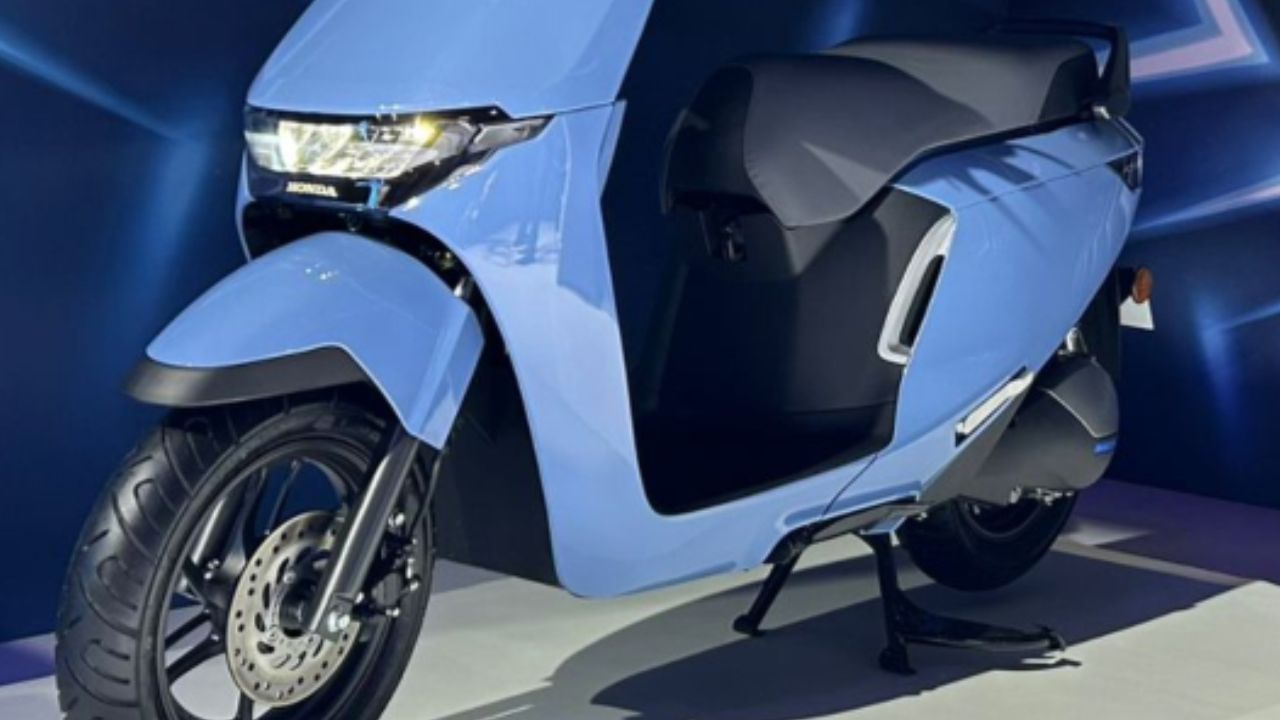

Honda’s entry into the electric scooter market highlights contrasting approaches. The company launched two models: the Activa e and the QC1. Analyzing the sales data from February to July 2025, 11,168 units were produced, with 5,173 sold, and deliveries starting in March 2025. The Activa e, designed for individual use, incorporates a swappable battery system, while the QC1 features a fixed battery configuration, targeting delivery services and cost-sensitive customers. During the first five months, Honda sold 4,950 scooters, with a notable distribution: 4,252 QC1 units compared to only 698 Activa e units, demonstrating QC1’s dominance with an 86% market share. The Activa e, although stylish and advanced in its design, is encountering challenges in market adoption. Its success is intrinsically tied to the swift expansion of Honda’s battery swapping network. The scooter, offered in two variants, is priced at ₹1,17,428 (ex-showroom) for the standard model and ₹1,52,028 (ex-showroom) for the RoadSync Duo. It claims a range of 102 km, a top speed of 80 km/h, and an acceleration from 0 to 60 km/h in 7.3 seconds. The primary constraint is the inability to charge the battery at home; users must swap batteries at designated stations. This limitation contributes to the slower sales rate. The availability of swapping stations is currently concentrated in Bangalore, with upcoming expansions in Delhi and Mumbai. Meanwhile, the QC1, with a starting price of ₹90,022 (ex-showroom), is gaining momentum because of its competitive pricing and the convenience of home charging. It is marketed as the most affordable Japanese electric scooter available in India. It offers a claimed range of 80 km, accelerates from 0 to 40 km/h in 9.4 seconds, and has a top speed of 50 km/h. The QC1 is currently available for purchase in several major cities, including Bangalore, Hyderabad, Mumbai, Pune, Delhi, and Chandigarh.