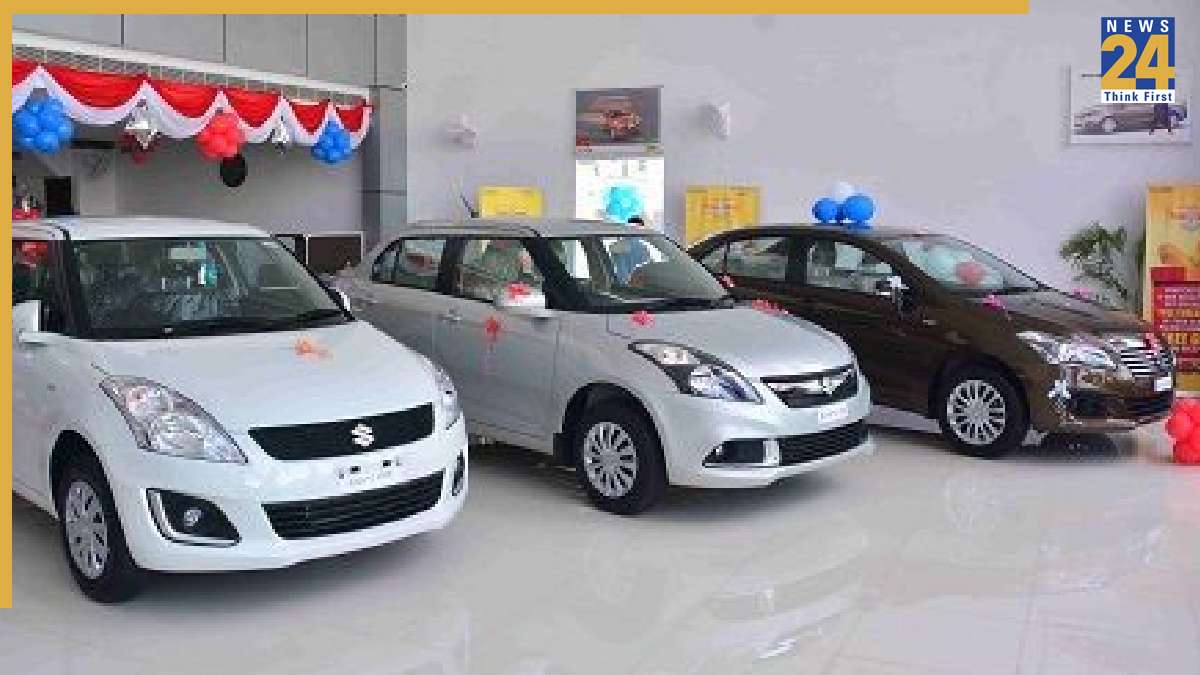

The Indian government has introduced modifications to the Goods and Services Tax (GST) rates for cars. This decision is in response to the automotive industry’s call for tax relief, with the goal of fostering greater personal mobility throughout India. Despite India’s position as the world’s third-largest car market, the rate of car adoption is notably low when considering the population.
The GST Council, during its 56th session, agreed to reduce the tax on small cars to 18% from the previous 28%. SUVs and other larger cars now fall under a 40% tax bracket, without extra cess, which essentially reduces the total tax. Electric vehicles continue to benefit from a 5% GST, and all auto parts are taxed at 18% irrespective of vehicle type.
Under these new regulations, small cars are defined as those under four meters in length, with engines of 1,200 cc or less for petrol/CNG/LPG, and 1,500 cc or less for diesel. Vehicles that exceed these size or engine capacity limits will be taxed at 40%.
The changes in tax rates apply to a broad spectrum of vehicles, from entry-level models to high-end cars in the mass-market segment. Notable examples include various models from Maruti Suzuki, Mahindra, Hyundai, Tata Motors, KIA India, Toyota India, JSW MG Motor, Honda Cars India, Renault/Nissan, and Skoda/VW.
The 40% GST rate presents a consideration for those looking to purchase vehicles with slightly larger engines, as those with 1500cc engines will be affected. These larger engines are useful in hilly areas. A similar tax structure affects two-wheelers, with motorcycles over 350 cc also subject to higher taxes.