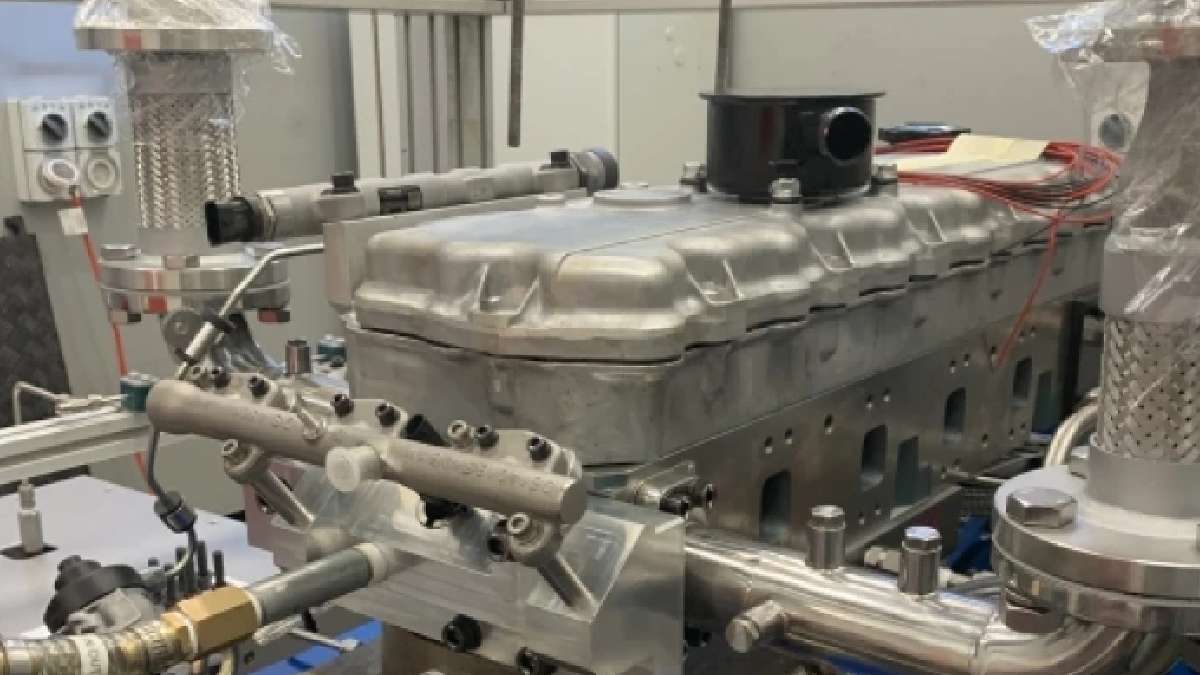

In line with India’s efforts to promote clean energy, a novel retrofit system is emerging to convert existing diesel engines. UNSW researchers have made a breakthrough, developing a system that can run on 90% hydrogen, resulting in a significant reduction in carbon dioxide and nitrous oxide emissions. The system is projected to increase engine efficiency by up to 26%.
This technology offers a practical solution for businesses seeking to reduce their emissions without replacing their current operational assets. The system works by replacing the diesel injection system with direct hydrogen injection. It allows for independent control of the injection timing for both hydrogen and diesel. One of the key advantages of this retrofit is its capability to effectively utilize lower-quality hydrogen.
The researchers’ stratified hydrogen injection technique creates varying concentrations within the engine cylinder, reducing nitrous oxide emissions below those of conventional diesel engines. The Indian government is actively incorporating hydrogen processing into its eco-friendly mobility plans. If the infrastructure is established, such retrofit kits could see widespread adoption.
UNSW is working to commercialize these retrofit kits, focusing on fleet operators and generator users like mining operations that have existing hydrogen supplies. Other companies, such as HYDI, are also developing retrofit kits. The HYDI system generates hydrogen during operation and only requires periodic water refills, which makes it independent of hydrogen fueling infrastructure and has the potential to decrease fuel consumption by 5–13%.