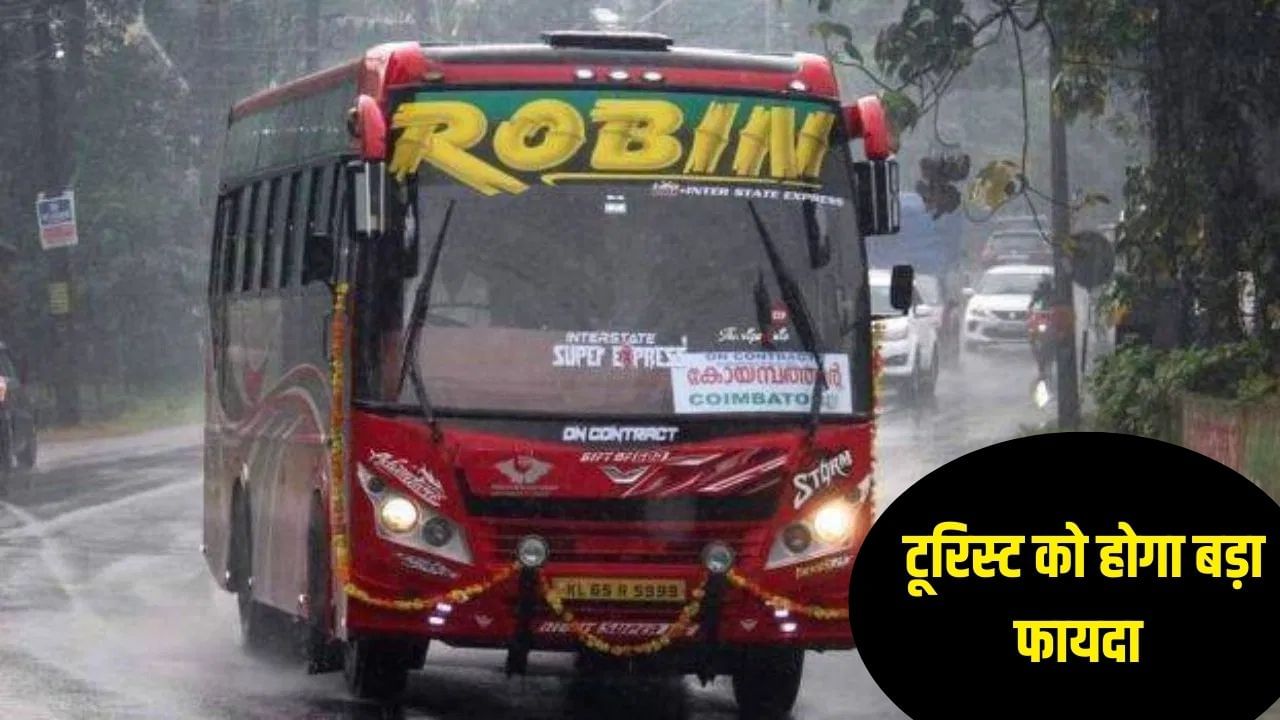

The Ministry of Road Transport and Highways (MoRTH) is proposing revisions to the All India Tourist Vehicle (Permit) Rules 2023. The draft rules limit the operation of tourist vehicles outside their home state to a maximum of 45 days, with compliance monitored through vehicle tracking. Additionally, the ministry suggests increasing the validity of tourist vehicle permits from 12 to 15 years.
The key motivations behind these changes are to address permit misuse, ensure comprehensive toll tax collection, and prioritize passenger safety.
Here are the major points of the proposed new regulations:
* Each journey must originate and terminate in the vehicle’s home state.
* Vehicles are restricted from operating outside their home state for over 45 days, with oversight provided by a command and control center.
* Tourist vehicles are prohibited from operating like stage carriages (local bus services), preventing the unauthorized picking up or dropping off of passengers.
* All vehicles must be equipped with both a location tracking device and an emergency button.
* Operators are required to ensure that no challans older than 30 days remain outstanding.
* Payment of toll dues is mandatory, even without FASTag, for new permits or renewals.
The process for applying for an all-India tourist permit will now require submission to the transport authority of the vehicle’s registered state. Applicants must provide details such as their address, Aadhaar/company ID/GSTIN, vehicle fitness, insurance and tax validity, and seating and sleeper capacity.
The proposed regulations also aim to address the issue of discrepancies in vehicle registration practices across different states. Nagaland, for example, has seen a surge in tourist bus registrations due to lower tax and registration fees, even though many of these buses don’t operate within the state. In 2025, Nagaland issued 1.36 lakh national tourist permits, significantly more than other states like Kerala, Himachal Pradesh, Telangana, Madhya Pradesh, Punjab, and Karnataka. The states with the highest permit issuance were Haryana, Rajasthan, Uttar Pradesh, and Maharashtra.
Arunachal Pradesh provides a precedent, having revoked the registrations and permits of non-operational tourist buses in 2017, resulting in only 293 active permits.
The public has a 30-day window to submit suggestions and objections regarding the draft rules. These can be sent to the Additional Secretary (MVL), Ministry of Road Transport and Highways, Transport Bhavan, Parliament Street, New Delhi-110001, or via email.
If these new regulations are enforced, it is anticipated that they will lead to increased transparency, enhanced security measures, and improved control within the tourist vehicle sector. Furthermore, they are expected to mitigate tax losses for states while reinforcing accountability for the safety of tourists.