


India’s automotive market is experiencing a surge in activity, with numerous manufacturers preparing to launch new and updated SUVs. The increased competition is driving innovation across various segments. This overview highlights some of the most anticipated upcoming vehicles.
**Tata Punch Facelift**
The Tata Punch, a popular micro-SUV, is scheduled for a significant design update. The updated Punch is expected to debut around November. The facelifted model is anticipated to showcase revised bumpers, a redesigned front fascia, stylish 16-inch alloy wheels, and interior upgrades such as a two-spoke steering wheel and a larger infotainment screen. The engine options are likely to mirror the Tata Altroz, with a potential continuation of the diesel variant.
**Tata Sierra’s Return**
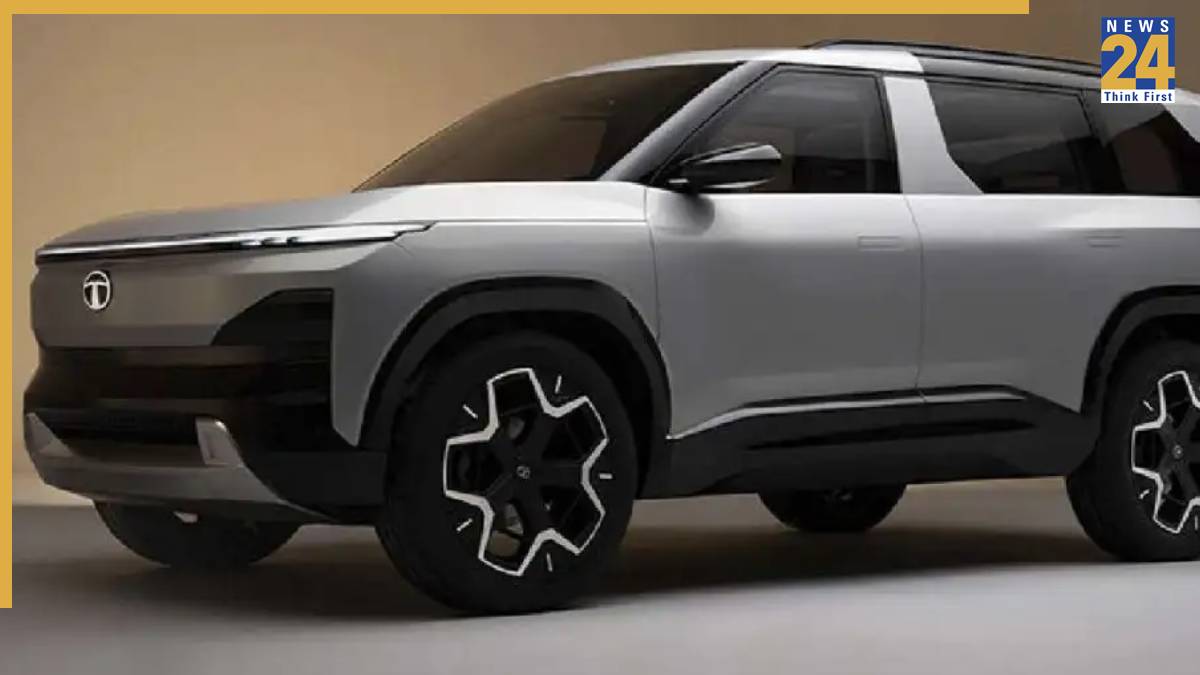
The Tata Sierra is one of the most highly anticipated vehicles, marking a significant comeback in the Indian automotive market. Development of the new Sierra has been carefully managed, with test vehicles observed on Indian roads. Notable features include a bold design that references the original Sierra, a premium interior with a modern four-seater layout, and a 1.5-litre TGDI petrol engine for the ICE version. The Sierra EV is projected to include a segment-first dual-motor AWD setup. The ICE Sierra may be released by December, with the electric variant potentially following shortly thereafter.
**Hyundai Venue Redesign**
The next-generation Hyundai Venue (codenamed QU2i) is undergoing testing. The expected upgrades encompass a sleeker exterior design, a larger and more advanced infotainment display (akin to the Hyundai Creta), and enhancements to the interior to elevate the premium feel. While the engine choices are expected to remain consistent, a price adjustment is anticipated from the current ₹7.94 lakh to ₹13.62 lakh (ex-showroom) range.
**Kia Syros EV Preview**
The Kia Syros EV, which has been spotted in testing in Korea, represents an exciting addition to Kia’s electric vehicle lineup. Constructed on a reinforced K1 platform, it is intended to merge familiar design elements with cutting-edge EV technology. Key characteristics encompass a cabin layout akin to the ICE variant, two battery options (42 kWh and 49 kWh Nickel Manganese Cobalt (NMC)), and estimated ranges of 300 km (42 kWh) and 355 km (49 kWh). The projected price falls within the range of ₹14–20 lakh (ex-showroom).
**Hyundai Bayon Introduction**
The Hyundai Bayon, positioned strategically between the Exter and the Venue, will be a compact crossover based on the i20 platform. Engineered for urban versatility, it will likely share several mechanical components with the i20 hatchback. Expected features include a 1.2-litre petrol engine and the potential incorporation of mild-hybrid technology to enhance fuel efficiency and performance. The Bayon seeks to bridge the gap within Hyundai’s lineup, offering a solution between smaller SUVs and premium hatchbacks.