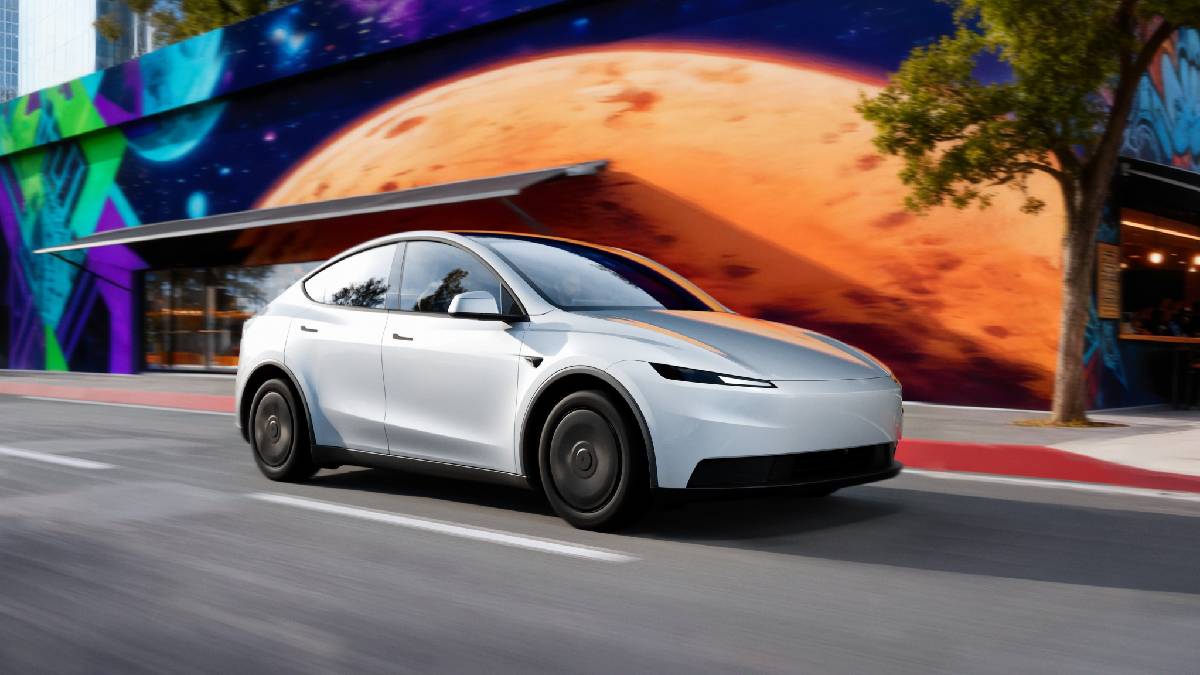

Tesla is making a play to regain lost market momentum with the introduction of its new, more affordable electric vehicle options: the Model Y Standard and Model 3 Standard. These models are designed to offer an estimated range of 517 kilometers (321 miles) on a single charge. The Model Y Standard is positioned below the $40,000 mark, featuring a more minimalist interior configuration. This latest release is part of Tesla’s strategy to address slowing sales growth, intensified competition from international automakers, and potential consumer resistance. Despite the launch of these lower-priced EVs, Tesla’s stock saw a notable decrease, suggesting investor skepticism about the new models’ ability to significantly alter the company’s sales trajectory. Observers believe that the market was hoping for more substantial innovation rather than these adjusted versions of existing products. A more economical variant of the Model 3 is also now available, priced under $37,000, making it even more accessible with state-specific rebates. While the company has long promoted the idea of a sub-$25,000 EV, these newly released ‘standard’ models are priced considerably higher than that target. The timing also presents a challenge, as the recent expiration of the $7,500 federal EV tax credit may lead potential buyers to postpone their purchases. The new Model Y variant comes with a slightly shorter range, a less elaborate sound system, and a fabric interior instead of microsuede, while also omitting certain features like a second-row touchscreen and panoramic roof. This positions it against formidable competitors in the mid-$40,000 EV market. Similarly, the updated Model 3 includes a reduced driving range and fewer premium features.