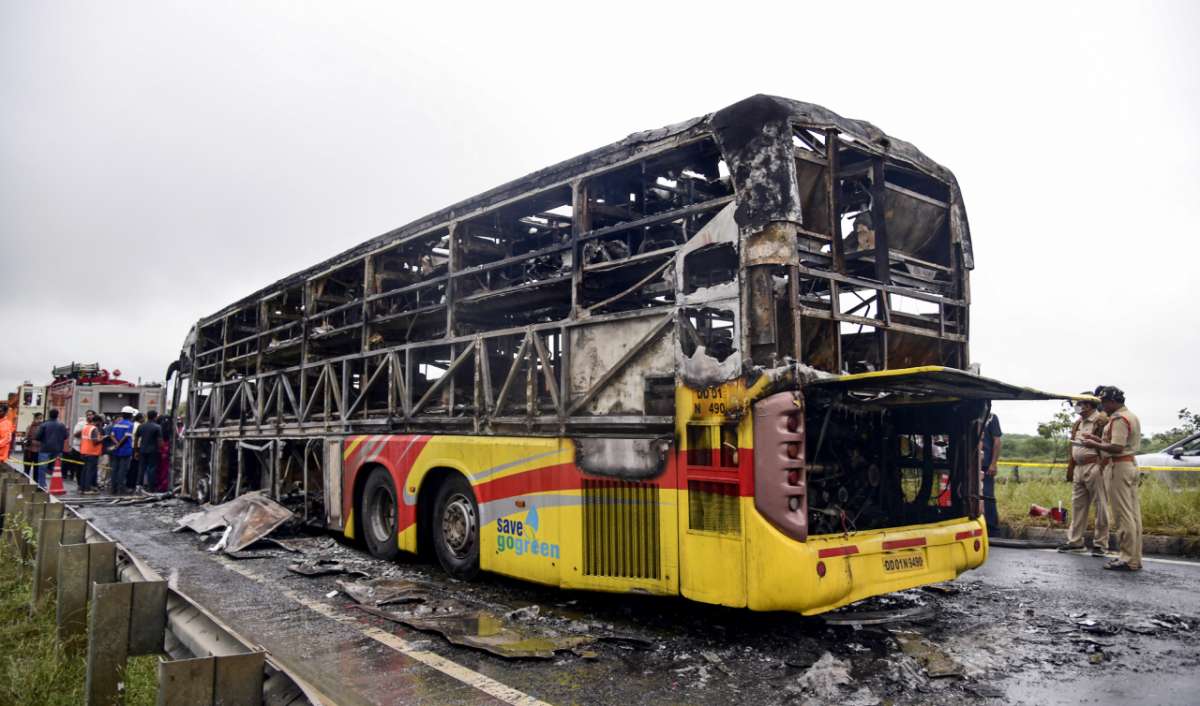

A shocking tally of 46 deaths in just one week from two horrific sleeper bus accidents in India has thrust the nation’s road safety record into the spotlight. Recent tragedies in Rajasthan, Andhra Pradesh, and Telangana have revealed a disturbing trend of unsafe practices and regulatory loopholes that put passengers at grave risk on long-distance journeys.
The first major incident involved a sleeper bus from Jaisalmer catching fire, leading to the deaths of 26 passengers. Not long after, a devastating collision in Andhra Pradesh between a sleeper bus and a motorcycle killed 20 more individuals. These events serve as a grim reminder of the dangers lurking on Indian highways.
Experts attribute these recurring disasters to a flawed system involving bus owners, body builders, and transport authorities. Bus chassis are often handed over to independent body builders who construct the vehicle’s upper structure. This process frequently bypasses essential safety regulations, such as Automotive Industry Standards (AIS) 052 and 119, which govern design and safety features.
The lack of stringent enforcement means that many buses operate with illegal modifications. These can include extra seating that obstructs emergency exits, a lack of mandatory fire extinguishers, and the use of flammable materials like aluminum wood composites instead of safer steel. The internal structure, with cage-like compartments and non-flame-retardant curtains, contributes to the rapid spread of fires, often consuming the entire bus in under five minutes.
Compounding the risks, some bodybuilders reportedly install extra fuel tanks to facilitate longer trips, disregarding OEM safety specifications and creating potential fire hazards. While newer electric buses produced by manufacturers tend to be compliant, the vast majority of traditional sleeper buses remain a concern. Safety organizations are actively working with authorities to identify and improve the safety of the nation’s most dangerous roads.