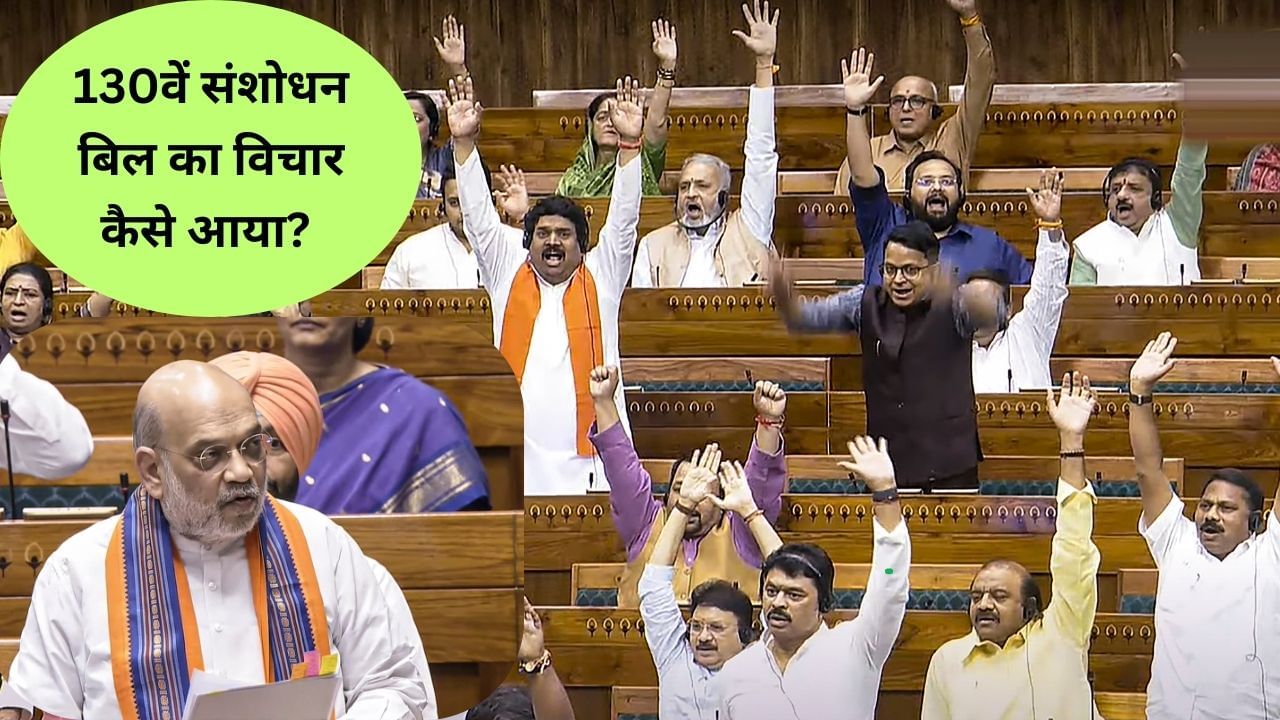

The 130th amendment bill originated in response to the situation where Delhi’s Chief Minister, Arvind Kejriwal, was in jail. The legal system was unable to remove him from his post without a conviction. This event raised questions regarding the existing constitutional framework and the lack of provisions for such scenarios.
This led the central government to reflect on the need for legal reforms. The declining standards of political ethics and the lessening of public accountability were crucial considerations.
Home Minister Amit Shah, when presenting the bill, highlighted his personal experience of facing legal charges and imprisonment, and how he resigned before incarceration. He underscored the importance of maintaining integrity in the face of legal challenges.
Opposition parties, however, voiced their concerns about the bill. They expressed fears that it might be misused by central agencies against governments led by opposition parties, thereby potentially impacting their chief ministers’ political careers.
The introduction of the bill led to strong opposition in the Lok Sabha. Despite the protests, the Home Minister proposed referring the bill to a Joint Parliamentary Committee (JPC). The JPC is set to comprise 31 members and will involve consultations with political parties.
If the government can address the concerns of the opposition regarding the potential misuse of the bill, its objectives may be easier to accept. In light of the limitations the court faced in the Delhi Chief Minister’s case, the bill can be understood as a response to a need.