
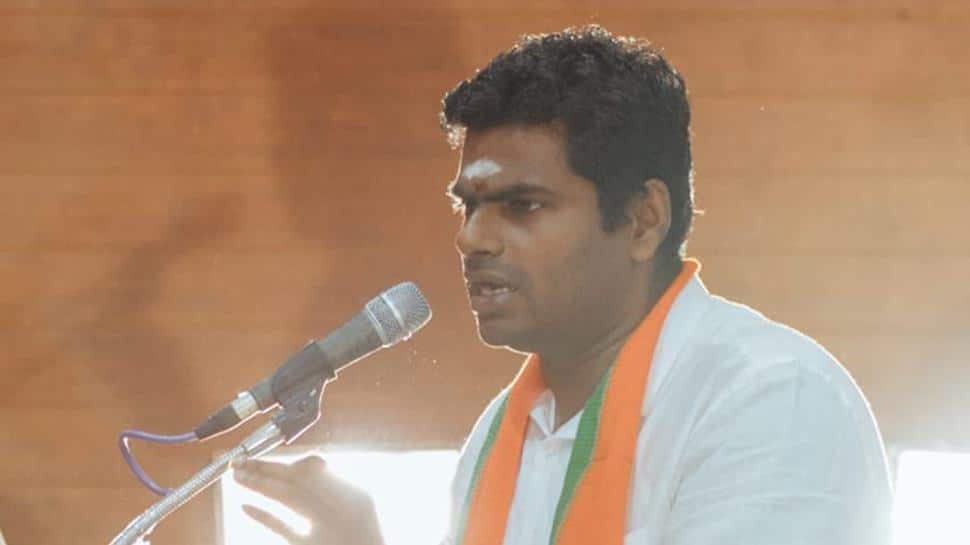

K. Annamalai, a prominent leader of the BJP in Tamil Nadu, has accused Chief Minister M.K. Stalin of “brazen hypocrisy” and “appalling double standards” over the latter’s criticism of the Election Commission’s Special Intensive Revision (SIR) of electoral rolls. Annamalai contends that Stalin is attempting to inject politics into a regular electoral procedure that has been a fixture of India’s democratic system for many years.
In response to Stalin’s assertion that the SIR is a “BJP-backed conspiracy” aimed at disenfranchising voters, Annamalai stated that such comments reflect the Chief Minister’s “hollow grasp of democratic procedures.” He underscored that revisions of electoral rolls are a standard, recurring event, pointing to the 13 revisions that occurred between 1952 and 2004. Annamalai finds it peculiar that Mr. Stalin is now taking issue with this established practice.
The former state BJP president also reminded everyone that the DMK has previously advocated for similar electoral roll revisions. He highlighted the DMK’s 2016 accusation of 57.43 lakh bogus voters and their 2017 demand for a statewide revision that would link Aadhaar to voter IDs and involve door-to-door verification. Annamalai further recalled that prior to the RK Nagar by-election, Stalin had approached the Madras High Court to request the removal of names belonging to deceased or relocated voters, stressing that “the sanctity of democracy depends on the integrity of the electoral roll.” He expressed hope that the DMK would remember its own past positions and refrain from “selective amnesia.”
Regarding the timing of the SIR during the monsoon, Annamalai refuted the claim that it benefits the BJP. He stated that the Election Commission is an autonomous body committed to transparency in all elections, and questioning its processes merely “betrays insecurity.” With the 2026 Assembly elections on the horizon, the war of words between the DMK and BJP concerning voter roll revisions is heightening political polarization in Tamil Nadu, setting the stage for intense debates on the credibility and accountability of the electoral process.