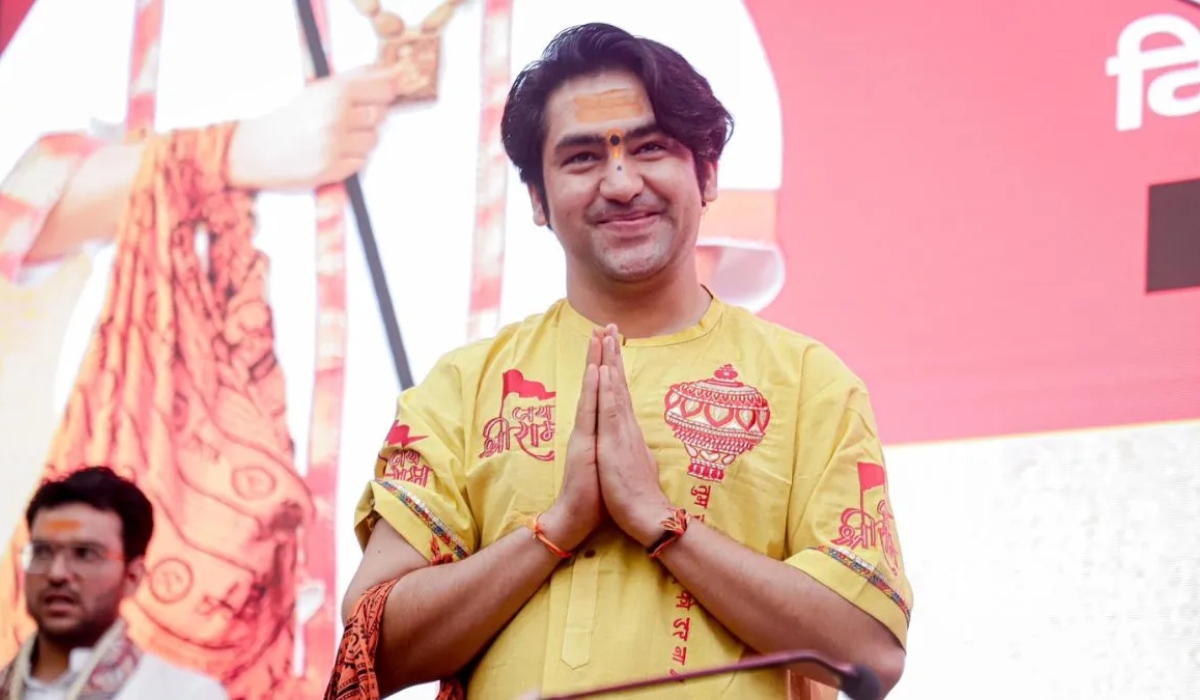

Baba Bageshwar, Acharya Dhirendra Krishna Shastri, has initiated a 10-day padayatra, a significant spiritual and nationalistic march covering parts of Delhi, Haryana, and Uttar Pradesh. The walkathon, which began on November 7 and will conclude on November 16, spans 145 kilometers and is dedicated to promoting Hindu solidarity, combating caste discrimination, and spreading messages of peace, nationalism, and adherence to Sanatan Dharma.
Shastri articulated that the padayatra’s primary objective is to foster an awakening among Hindus. He emphasized the urgent need to dismantle caste-based divisions and promote a spirit of nationalism across the country. His concerns also extended to ensuring the safety of Hindu children and preventing what he termed the ‘Islamization’ of India, advocating for a peaceful and unified nation.
An impressive turnout is expected, with around 40,000 participants having registered for the event. The daily program is structured to reinforce community bonds and national pride, featuring the national anthem and the Hanuman Chalisa at the start of each day, followed by a series of seven pledges aimed at strengthening Hindu unity and eradicating untouchability.
Clarifying the padayatra’s intent, Shastri stated, “We are not marching against Muslims, but in support of Hindus.” He elaborated that the march is a broad effort to unite all Hindus, reaching into every community to champion Sanatan values.
Political leaders with a commitment to Hindutva have been extended invitations to join the padayatra, reflecting an inclusive approach to the movement. Shastri highlighted the patriotic spirit of the participants, emphasizing their dedication to Sanatan and the national flag.
The journey is presented as a religious mission for the nation’s well-being, rather than a political one. Shastri emphasized its extensive reach, covering 150 kilometers to benefit the country’s vast population, with the core aims of ending casteism, bolstering nationalism, and uniting the Hindu community.
Shastri drew a parallel to historical events, mentioning the incident of November 7, 1966, in Delhi. He presented the padayatra as a contemporary effort to heal historical wounds, promote fraternity among Hindus, and eradicate caste-based practices. Participants are encouraged to take firm pledges, including commitments to maintaining Hindu unity, preventing religious conversions, abolishing untouchability, and safeguarding the community’s integrity.