
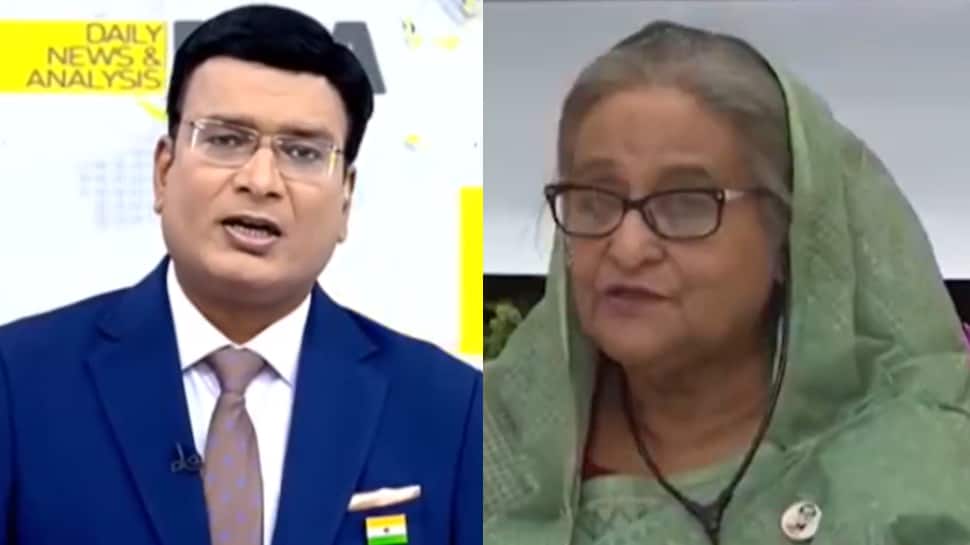

A dramatic turn of events in Bangladesh sees former Prime Minister Sheikh Hasina sentenced to death by the International Crimes Tribunal (ICT). This severe penalty has triggered widespread debate on whether the judgment is a just outcome or a politically motivated attack. The situation is further complicated by Hasina’s reported presence in India, raising critical questions for New Delhi regarding extradition protocols.
The ICT’s ruling is linked to the significant unrest during the 2024 student movement. This period saw widespread demonstrations and violence that resulted in the deaths of numerous individuals, including students and law enforcement officers. The tribunal has placed direct responsibility for these events on Sheikh Hasina.
Hasina faces five primary charges: orchestrating killings, inciting violence through public addresses, impeding the judicial process and destroying evidence, causing the death of student Abu Sayeed, and orchestrating the murders of five people along with the subsequent destruction of their bodies. The tribunal’s sentence includes death for the first two charges and a life sentence for obstruction of justice.
While Hasina has the right to appeal within 30 days, the tribunal’s ruling mandates her physical presence in Bangladesh for the appeal. This is a condition she appears unwilling to meet. She has publicly declared the verdict to be unjust, biased, and politically driven, highlighting the alleged lack of a fair hearing and the tribunal’s affiliation with an unelected government. Hasina has also expressed her desire to pursue her case at the International Criminal Court.
India is now grappling with a formal extradition request from Bangladesh’s interim government, based on a 2013 treaty. However, the treaty’s provisions, specifically Article 6, allow for the refusal of extradition in cases of a political nature. Hasina’s claim that the charges are politically motivated could render the extradition request unenforceable.
Questions about the ICT’s integrity persist. The tribunal, originally established for 1971 war crimes prosecutions, had its jurisdiction expanded by the current government to encompass recent political events. The interim government’s role in appointing the tribunal’s personnel has led to accusations of a lack of impartiality, with the court being described by some as a ‘kangaroo court.’ The timing of the verdict, rescheduled to coincide with Hasina’s wedding anniversary, has added to the controversy.
Supporters of Hasina have organized protests across Bangladesh, leading to reports of violence and escalating tensions. The nation is on edge, with fears of further instability. India’s diplomatic and legal response to the extradition request will be closely watched as it navigates complex regional dynamics.