The Kolkata Municipal Corporation (KMC) has ordered that Bengali is now mandatory on all signboards throughout Kolkata, sparking renewed debate, mirroring recent language-related disputes in Maharashtra. The new rule, effective from September 30, applies to all signboards in the city, encompassing markets, business centers, shops, and offices.
The directive from the KMC specifies that the primary text on signboards must be in Bengali, positioned at the top. Additional languages can be included below or to the side, but Bengali must take precedence. The decision, the KMC stated, was reached in consultation with the legal department.
Prior to this, the use of Bengali on government office signboards and official notices was already a requirement. Furthermore, during Kolkata Municipal Corporation meetings, the informal practice of presenting questions and proposals in Bengali was established. The KMC has now formalized this policy with an administrative circular.
Mayor Firhad Hakim emphasized that the mandate represents a matter of cultural identity, not merely linguistic preference. He encouraged citizens to embrace the prominence of their language throughout Kolkata and Bengal. He also directed that KMC-published materials should prominently feature Bengali.
The KMC is requesting cooperation from businesses and other establishments. Authorities have indicated that stringent measures will be implemented for any violations of the order within the specified timeframe.
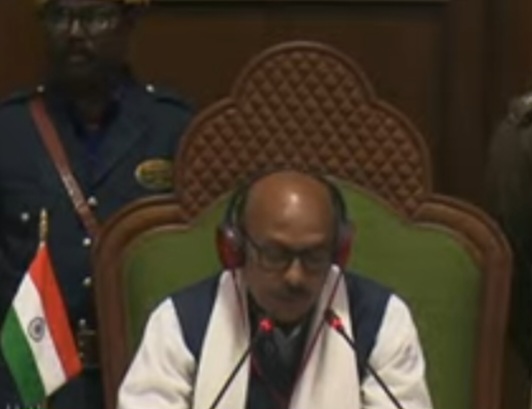
The move has garnered approval from numerous quarters. Commentators see it as a necessary step to safeguard the language’s status while serving the general public. Concurrently, the West Bengal Assembly held a special session where the use of Bengali and the alleged mistreatment of Bengali speakers in BJP-controlled areas were discussed. The assembly session ended with contentious behavior, including vocal protests and disruptions from opposing parties.