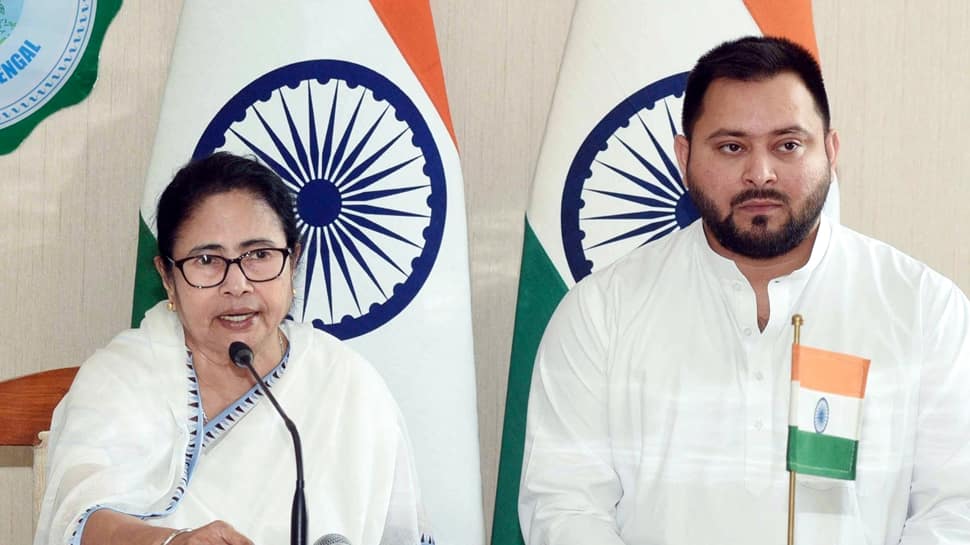

In the run-up to the Bihar assembly elections, Rashtriya Janata Dal (RJD) leader Tejashwi Yadav has amplified the ‘Bihari versus Bahari’ (insider versus outsider) narrative, a strategy strikingly similar to that employed by West Bengal Chief Minister Mamata Banerjee. This linguistic and political parallel suggests a shared approach to confronting national parties, particularly the BJP.
Yadav’s consistent use of the ‘outsider’ theme is an attempt to consolidate local support by framing the electoral contest as a battle for Bihar’s identity against external forces. This narrative helps to counter negative perceptions and past criticisms, such as the ‘jungle raaj’ stigma associated with his party.
Mamata Banerjee has frequently utilized the ‘Bohiragata’ (outsider) label to describe national leaders campaigning in West Bengal, portraying them as disconnected from the state’s unique culture and interests. While her critics often point to her party’s own national representation, Banerjee’s strategy effectively positions her as the sole protector of Bengal’s autonomy against perceived national overreach. This ‘outsider’ classification is often linked to her opposition to national policies.
Both leaders’ use of ‘outsider’ rhetoric, despite originating from different regional contexts, aims to build a powerful political narrative that resonates with local sentiment. This approach can be instrumental in rallying voters and creating a sense of solidarity against perceived external threats. The efficacy of this strategy in Bihar, mirroring Banerjee’s success in West Bengal, will be a key factor in the upcoming election results, highlighting the growing trend of regional identity politics.