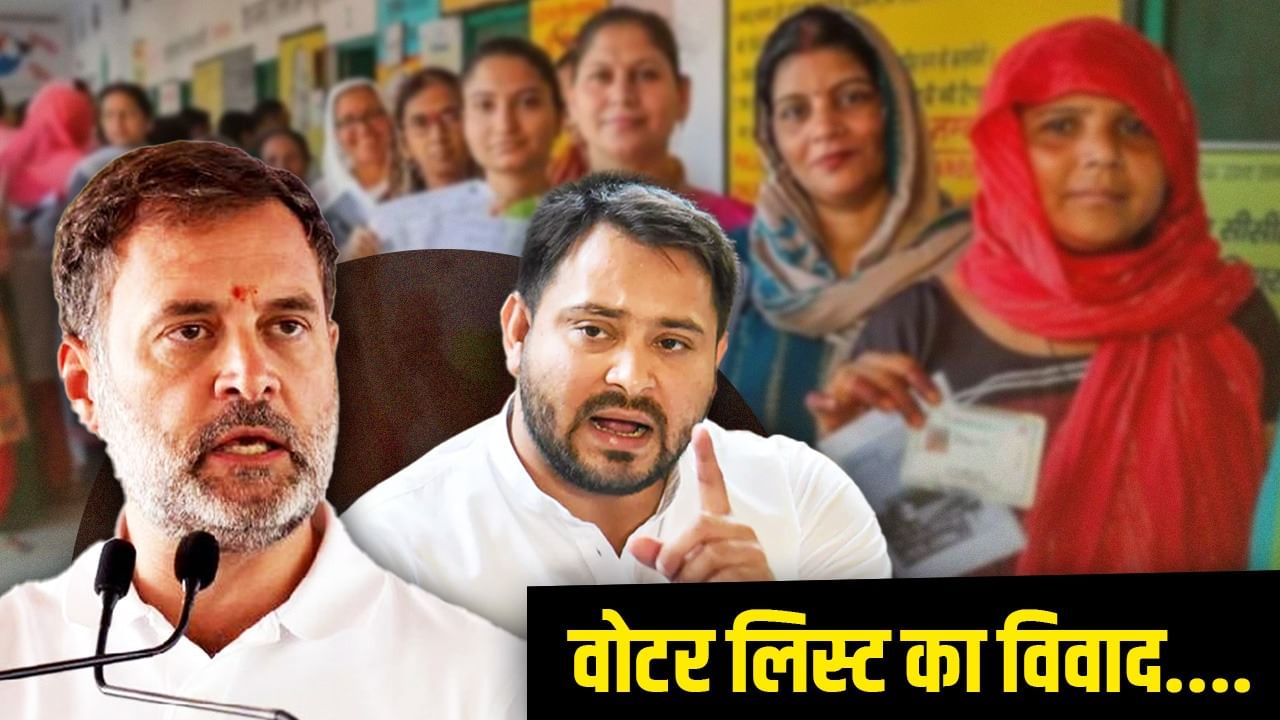

The political landscape in Bihar is becoming increasingly charged as the 2025 elections approach. A key point of contention revolves around the Special Intensive Revision (SIR) of voter lists. The RJD and the broader India alliance are challenging the process and are preparing to protest the Election Commission’s actions. The opposition is actively voicing its concerns in both the Parliament and public forums.
Rahul Gandhi has accused that the elections are being compromised, pointing to a case study from a Lok Sabha constituency in Karnataka as evidence. This isn’t the first instance of the Congress expressing concerns regarding the Election Commission. Following the Maharashtra Assembly elections, allegations surfaced about the unlawful addition of millions of voters to the voter lists. The focus now is if the Congress intends to leverage the Karnataka and Maharashtra experiences in Bihar, and how effective this approach will be.
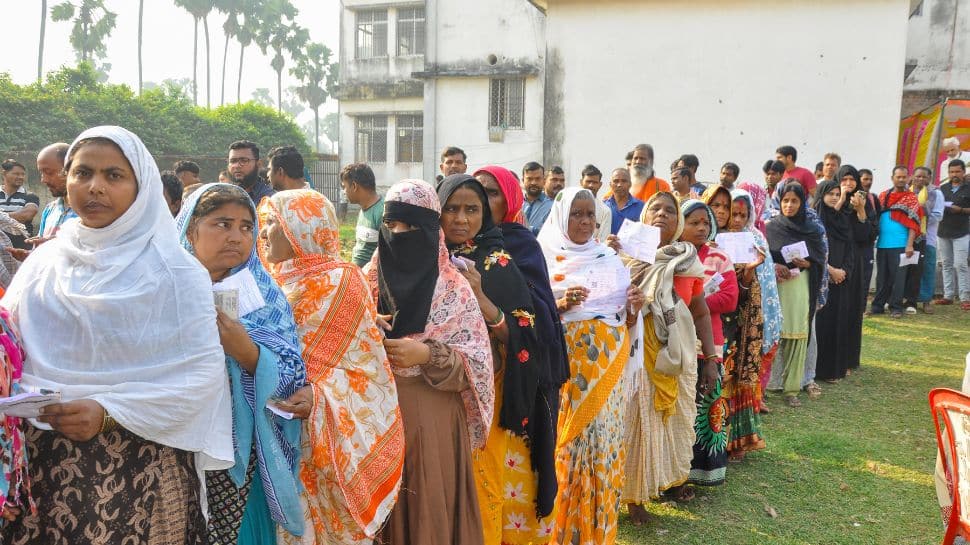
Firstly, it’s important to understand the situation in Bihar. What’s the extent of voter exclusions and the Election Commission’s position on voter inclusion? The Election Commission has finished the initial phase of SIR for voter lists in the state. From June 24 to July 25, 2025, over 7.24 crore voters participated out of a total of 7.89 crore. The initial draft electoral roll will exclude approximately 65 lakh voters. This includes 22 lakh deceased voters, 36 lakh voters who either no longer reside in the state or whose whereabouts are unknown, and 7 lakh voters registered elsewhere.
The opposition, upon release of the SIR data, has raised concerns, expressing fears that the local election machinery might be influenced to favor the ruling BJP-JD(U) alliance. The Election Commission responded by stating that the draft electoral roll for Bihar voters will be published on August 1, with physical and digital copies provided to all political parties by the 38 district election officers. Political parties and voters have until September 1 to request additions or deletions.
Despite the Election Commission’s response, the India alliance plans to continue protests against the SIR, with a march planned to the Election Commission headquarters next week. On Thursday, a meeting of the India alliance took place, attended by Congress President Mallikarjun Kharge, Rahul Gandhi, and other key leaders.
Rahul Gandhi has also raised concerns about electoral irregularities in Karnataka. He pointed to alleged manipulation of voter lists during the 2024 Lok Sabha elections, claiming to have uncovered significant anomalies. He said that voter lists are difficult to analyze on paper. He used digital format to study how the Election Commission functions.
Gandhi stated that election theft is happening across the country. He referred to issues in Maharashtra and Karnataka. Congress announced a protest on August 5, to reveal the alleged rigging of the Election Commission. KC Venugopal said that the protest will highlight the inclusion of fraudulent voters and the exclusion of legitimate voters, which raises serious concerns about the integrity of the electoral process.
Gandhi stated that the Election Commission cheated in Maharashtra by adding voters illegally, and that the number of registered voters exceeded the state’s population. He mentioned that the votes of Congress, Shiv Sena-UBT, and NCP (SP) were similar across Lok Sabha and Assembly elections, which suggests that elections were rigged.
Rahul Gandhi claims the Congress has accused the election commission of manipulating voter lists during the revision. He made similar accusations in the Maharashtra election. The impact of the Congress strategy on the BJP-JD(U) alliance will be closely observed.