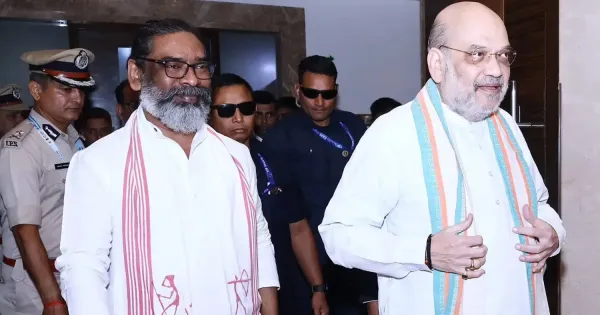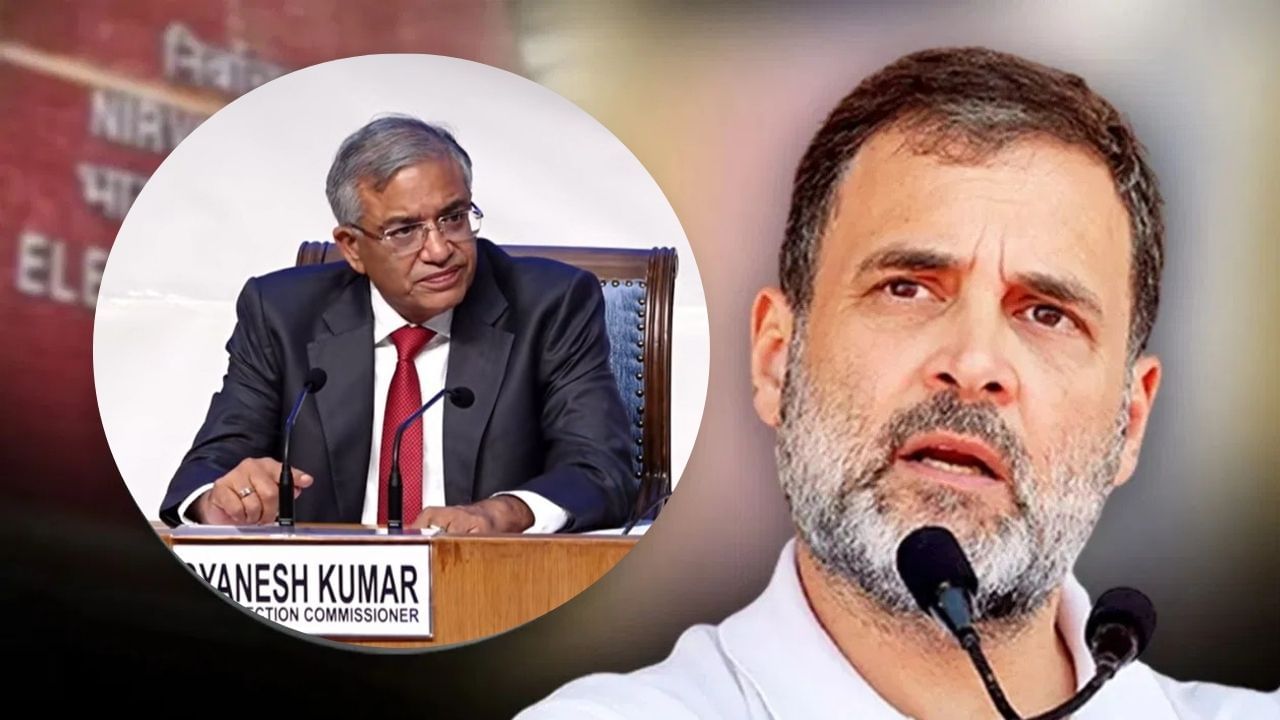

The upcoming Bihar assembly elections are now overshadowed by a major controversy between the Congress party and the Election Commission of India (ECI). The central figure in this dispute is Rahul Gandhi, who launched a ‘voter rights journey’ from Sasaram, Bihar, alleging systematic ‘vote theft’ or manipulation. This journey is scheduled to cover 1300 kilometers across 20 districts over 16 days. The commencement of this journey saw the participation of key opposition figures.
Gandhi’s accusations, which echo similar claims made during the Madhya Pradesh, Haryana, and Maharashtra assembly elections, prompted a strong response from the EC. The EC’s full bench rejected the allegations, giving Gandhi a seven-day deadline to either substantiate his claims with an affidavit or issue a public apology. This move has intensified the political climate, with the Congress party and other opposition groups criticizing the EC for alleged bias.
In particular, Gandhi highlighted specific irregularities, such as duplicate voters and suspicious entries, in the Mahadevpura Lok Sabha constituency in Karnataka, and claimed that these instances of fraud cast a shadow on the integrity of the electoral process. The EC has, however, dismissed these claims. The opposition claims that CCTV footage from polling stations has been deleted in some cases, further fueling their concerns.
The BJP has countered the opposition’s claims, accusing leaders from the Congress and other parties of benefiting from irregularities in voter registration. They presented evidence of fraudulent voters in multiple constituencies and demanded the resignation of the concerned MPs. The BJP has accused the opposition of protecting ‘illegal infiltrators’ and running a false campaign against the EC’s voter list revision.