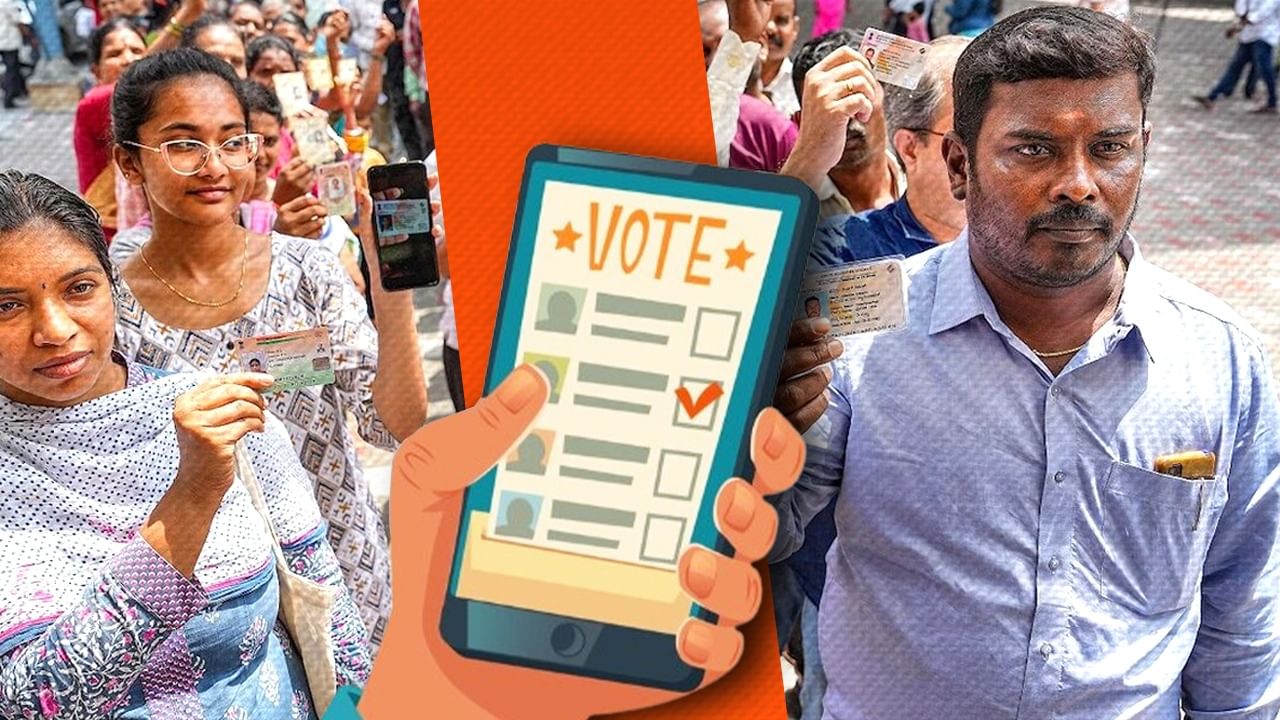

Bihar is at the forefront of electoral innovation with the introduction of mobile-based e-voting in local elections. State election officials confirmed that 70.20% of eligible voters utilized the new e-voting system, with 54.63% voting in person at polling stations. The move makes Bihar the first state in India to implement this technology. This initiative has created history with Bibha Kumari of Pakri Dayal as the first e-voter using a mobile phone and Munna Kumar as the first male e-voter. E-voting allows voters to cast their ballots from home or any remote location, a significant step towards accessibility. The e-voting app requires voter ID verification and limits access to two voters per mobile number. The e-SECBHR app is currently available on Android devices. Blockchain technology underpins the system to ensure secure, tamper-proof voting, mirroring the security features of Electronic Voting Machines (EVMs) with Voter Verifiable Paper Audit Trails (VVPAT). Additional security measures include Facial Recognition Systems (FRS), Optical Character Recognition (OCR), and digital locks. The project also seeks to facilitate voting for migrant workers, the elderly, those with disabilities, and other vulnerable groups. Estonia first adopted online voting in 2005, and other countries like Belgium and France have also explored the technology.