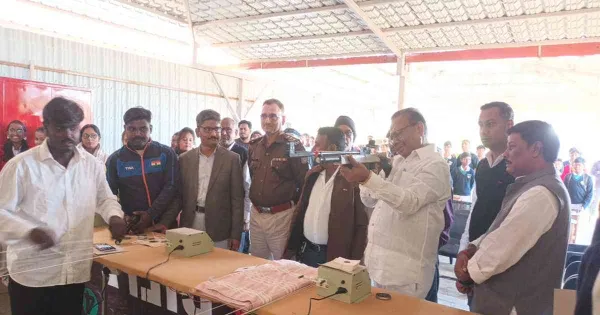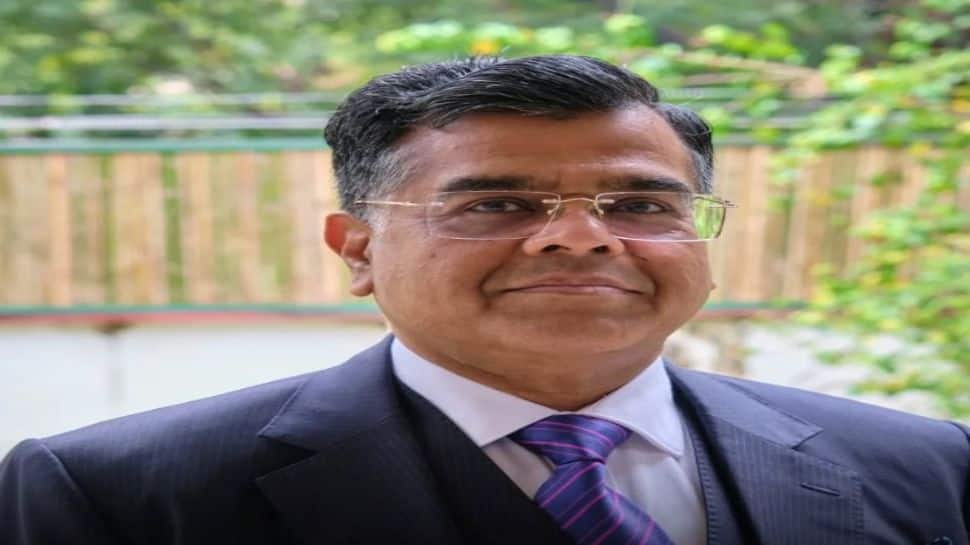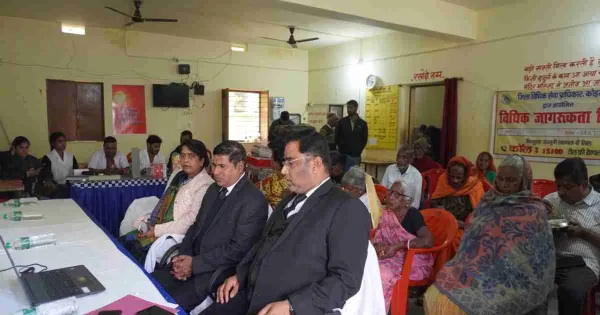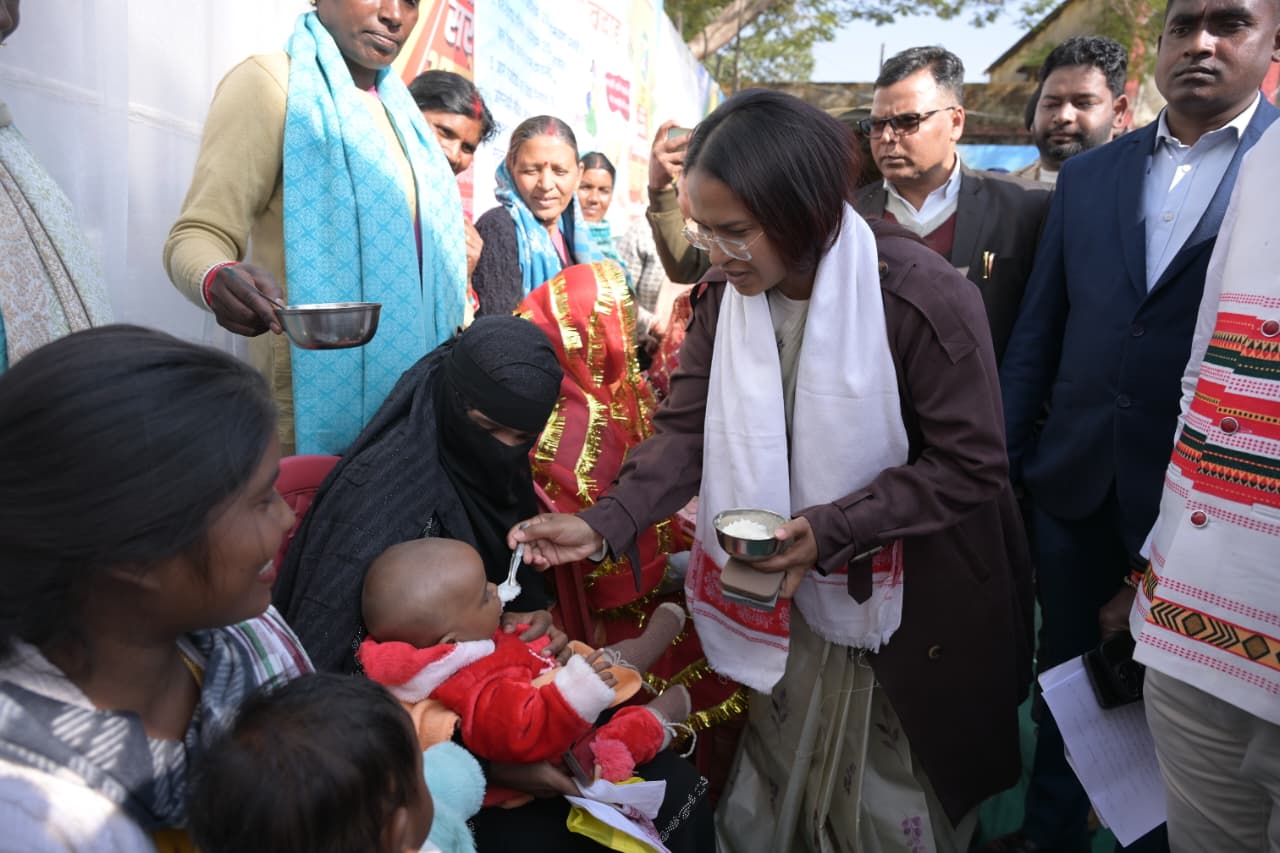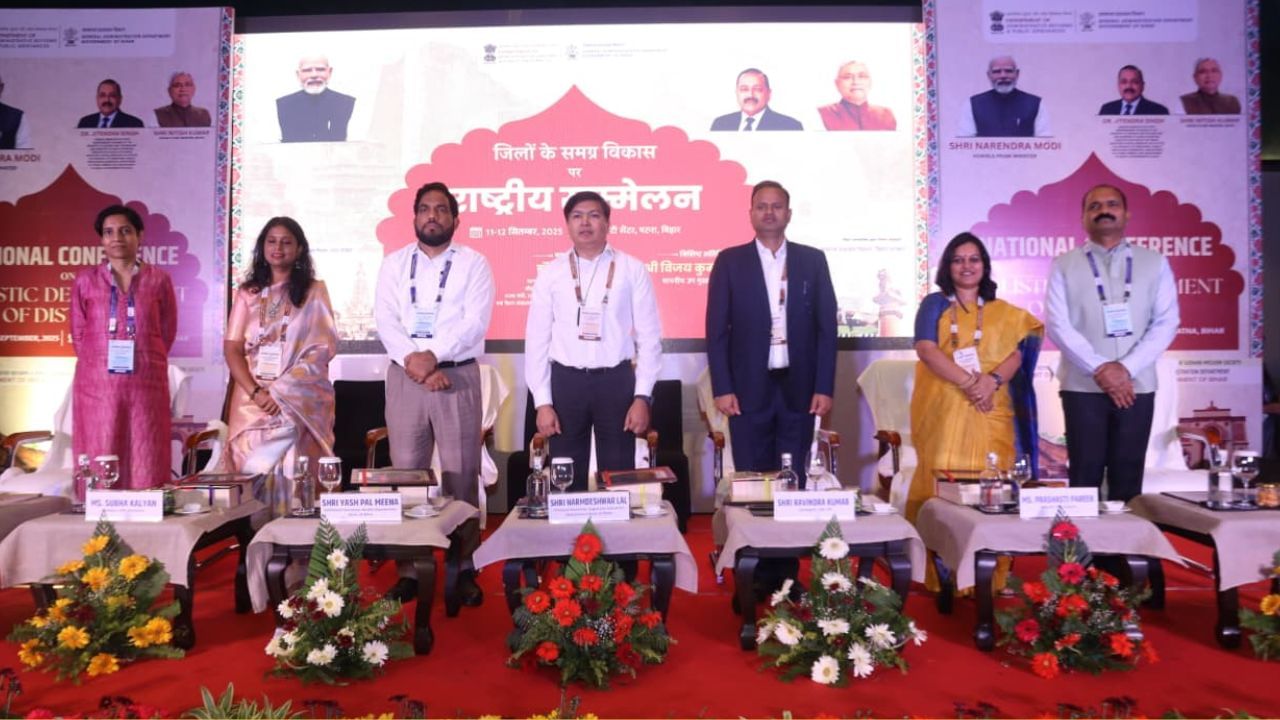

Patna hosted a national conference focused on overall district development, drawing participation from a diverse group of senior administrators, policymakers, and specialists from across India. Participants shared their expertise on fostering good governance and promoting sustainable development. Key discussion points included boosting transparency, improving the efficiency of direct benefit transfers, implementing a holistic governance model, and ensuring comprehensive execution of essential welfare programs.
Patna’s District Magistrate, Thiagarajan S.M., presented an innovative approach designed to address hearing loss in children. This initiative, leveraging the Anganwadi network and inter-departmental cooperation, demonstrated a positive impact on numerous children without incurring additional budgetary expenses.
Dr. Varnali Deka, Director of the Ministry of Tribal Affairs, Government of India, shared insights from Northeast India, highlighting the ‘No One Left Behind’ project in Assam’s Nalbari district. Forums such as ‘Udyam Gosthi’ were instrumental in boosting local entrepreneurship, thereby driving sustainable development within the district.
Namrata Vrishni, the District Magistrate of Bikaner, Rajasthan, highlighted the unique challenges faced by desert regions and provided details on projects such as local language education, electrification, and the use of smart TV systems at the Anganwadi level.
Director (Sports) Mahendra Kumar showcased the significant progress in Bihar’s sports sector, revealing the construction of over 8,000 sports grounds across the state under MGNREGA. He underscored Bihar’s growing prominence in sports, bolstered by initiatives like scholarships, talent identification, the hosting of international events, and infrastructure upgrades.
The fifth session was presided over by Narmadeshwar Lal, Principal Secretary of the Sugarcane Industries Department, Government of Bihar. In this session, Ravindra Kumar, District Magistrate of Azamgarh, shared the successes of welfare schemes, including the Pradhan Mantri Kisan Samman Nidhi and nutrition programs for women.
Prashasti Parekh, the District Magistrate of Aravalli district, Gujarat, detailed the positive outcomes achieved through the integration of initiatives like PM-Jan Arogya Yojana, Poshan 2.0, Har Ghar Jal, Matru Vandana Yojana, and PM Awas Yojana.
Yashpal Meena, former District Magistrate of Vaishali, shared his experience on how the ‘Apna Panchayat, Apna Prashasan’ initiative strengthened transparency and accountability at the village level.
Shubha Kalyana, the District Magistrate of Tumakuru district, Karnataka, shared experiences related to strengthening maternal and child health services, promoting institutional deliveries, and empowering women through digital payments.
These shared experiences highlighted the crucial role of district-level leadership, when supported by state and central policies, in driving development that is both people-focused and effective.