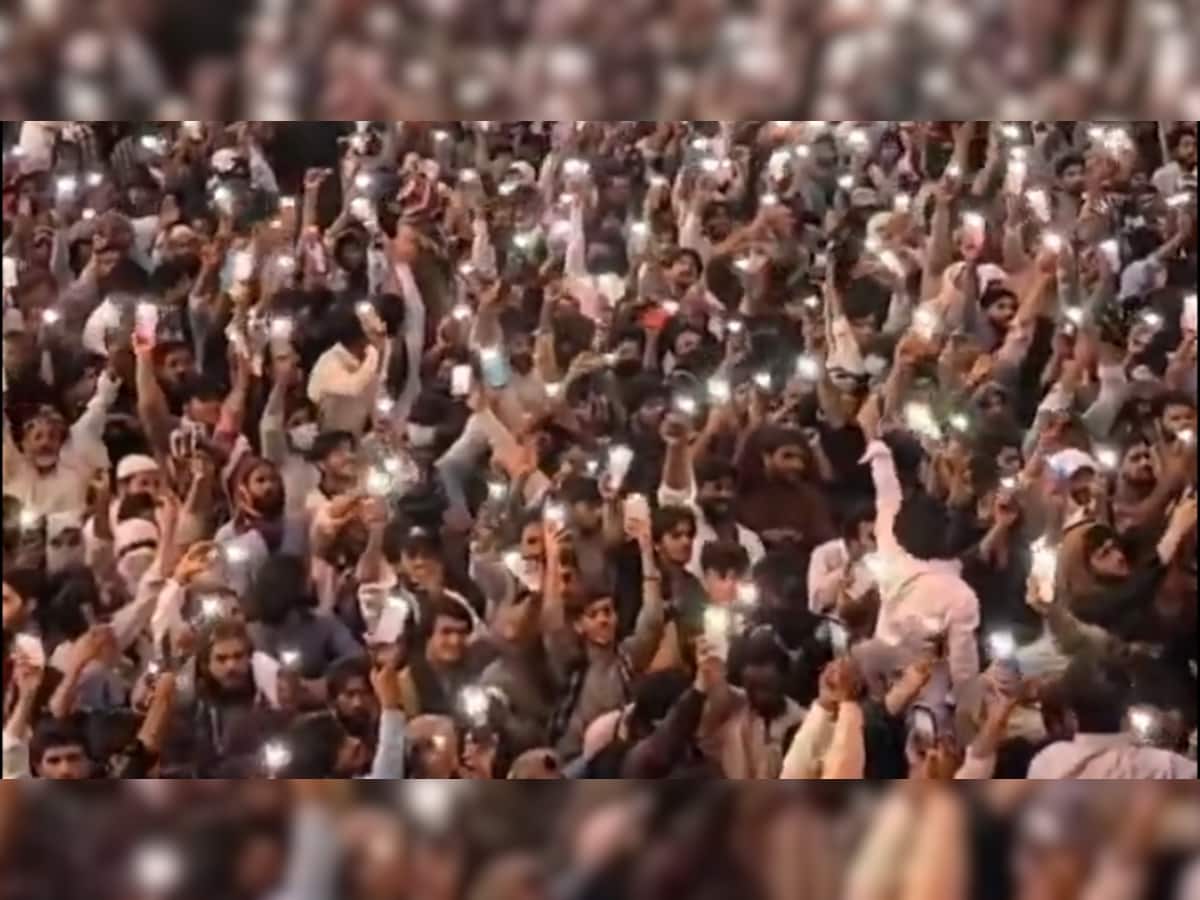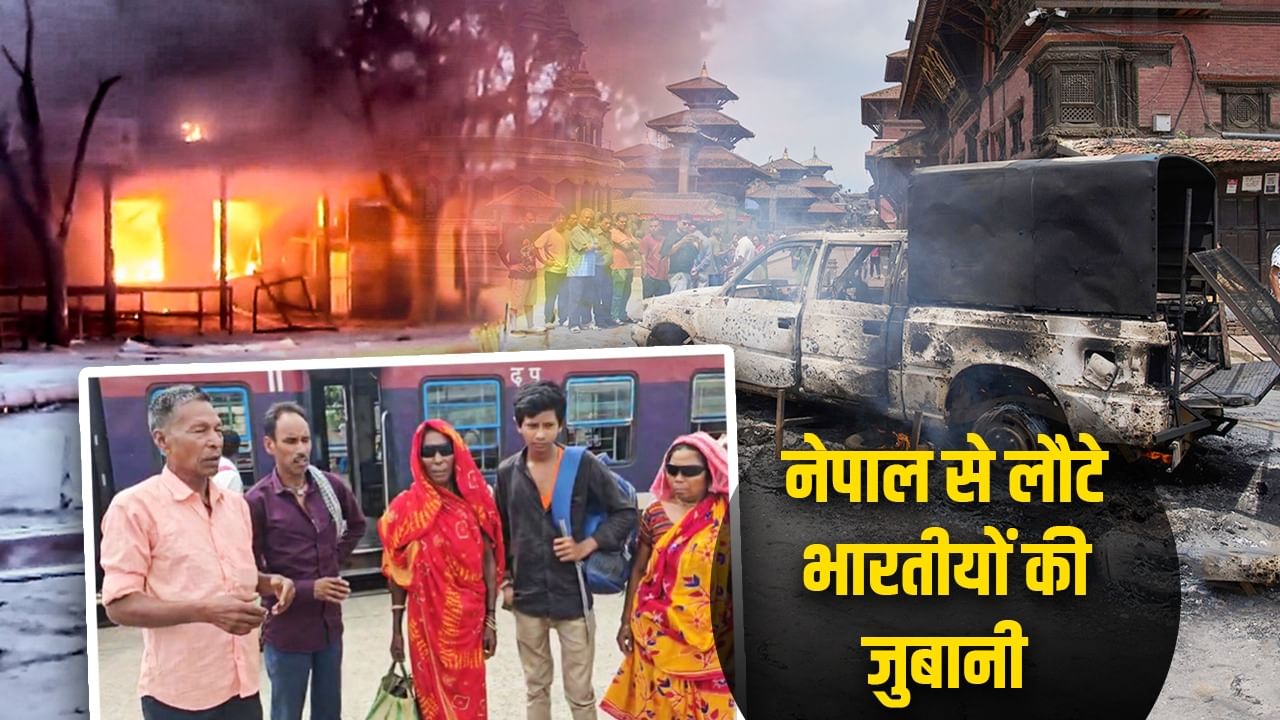

Nepal is currently experiencing a period of significant tension due to recent political instability and a coup. This turmoil led to the resignations of key figures such as Prime Minister KP Sharma Oli and President Ramchandra Paudel, sparking widespread protests. Protesters, mainly young people, targeted government buildings and the homes of political leaders, including former Prime Minister Sher Bahadur Deuba. The situation has left many Indian citizens stranded in Nepal. However, some were able to safely return to India, especially those who had traveled for medical treatment, particularly eye care.
Returning individuals from the Katihar region described that even with the unrest, Indian citizens were not targeted by protestors. They highlighted that the demonstrators’ anger was directed solely at the government. Indians faced no harassment, and hospitals were not affected by the violence.
Raju Das from Katihar reported that he was in Nepal for the treatment of his relatives. He confirmed that despite large-scale protests, the hospital administration ensured the safety of patients. The Indians were not subjected to any problems and were able to return home safely after receiving their treatment.
Sudhir Das, who was seeking treatment for three patients at an eye hospital in Biratnagar, mentioned the disruption. He and his patients remained inside the hospital under the advice of doctors, with the hospital maintaining security and continuing treatment. They returned to India once the conditions improved.
Nepal has become a significant destination for healthcare, particularly in ophthalmology, attracting patients seeking affordable and advanced treatment options. This growth has transformed Nepal into a rising medical hub.