

The upcoming Bihar assembly elections have put the spotlight on the women’s vote, prompting all political parties to focus on this demographic. The government is striving to economically empower women, distributing ₹10,000 each to numerous women associated with the Jeevika project as part of a strategy to enhance their financial independence. However, many women connected to this project are facing distress, fearing their aid will be taken by loan recovery agents.
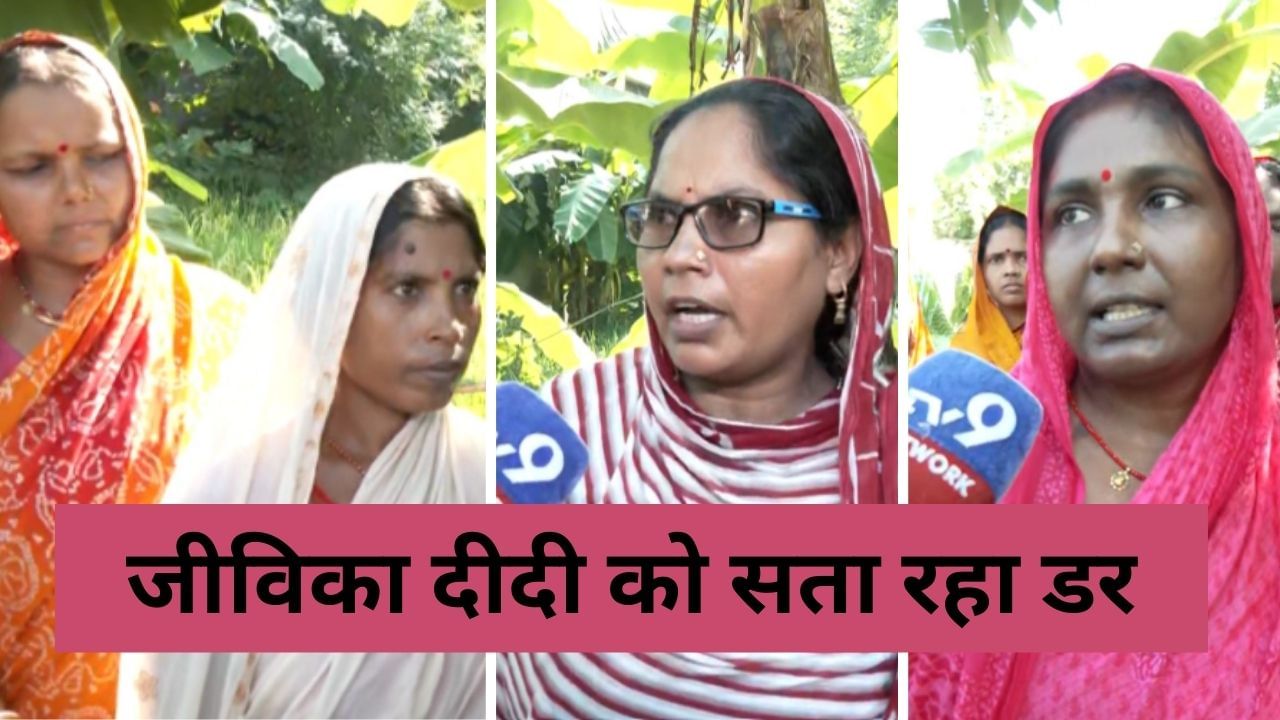
The government views this as a welfare initiative, but on the ground, the reality differs. In Kinaru village, Muzaffarpur district, Jeevika-linked women are heavily in debt, struggling with loan repayments, and are concerned that bank recovery agents will seize the ₹10,000 government aid, as agents have indicated the funds must be used for loan settlement.
Similar problems are common. Muneja Khatoon says women borrow from others to pay Jeevika loans, as recovery agents pressure them. Savita Devi explains her family’s double debt burden and constant pressure from recovery agents.
This extends beyond Kinaru; Rekha Devi notes that the loan amount received is often less than applied for, sometimes leading to greater debt. Some families have fled the village due to debt, with some women reporting tragic consequences, including suicide, stemming from financial strain.
The government has spent ₹40,000 crore on the Jeevika project for 1.3 crore women, while microfinance companies have lent approximately ₹50,000 crore. The key question remains: how will the government address the distress of these women, who are considered a key voter base?