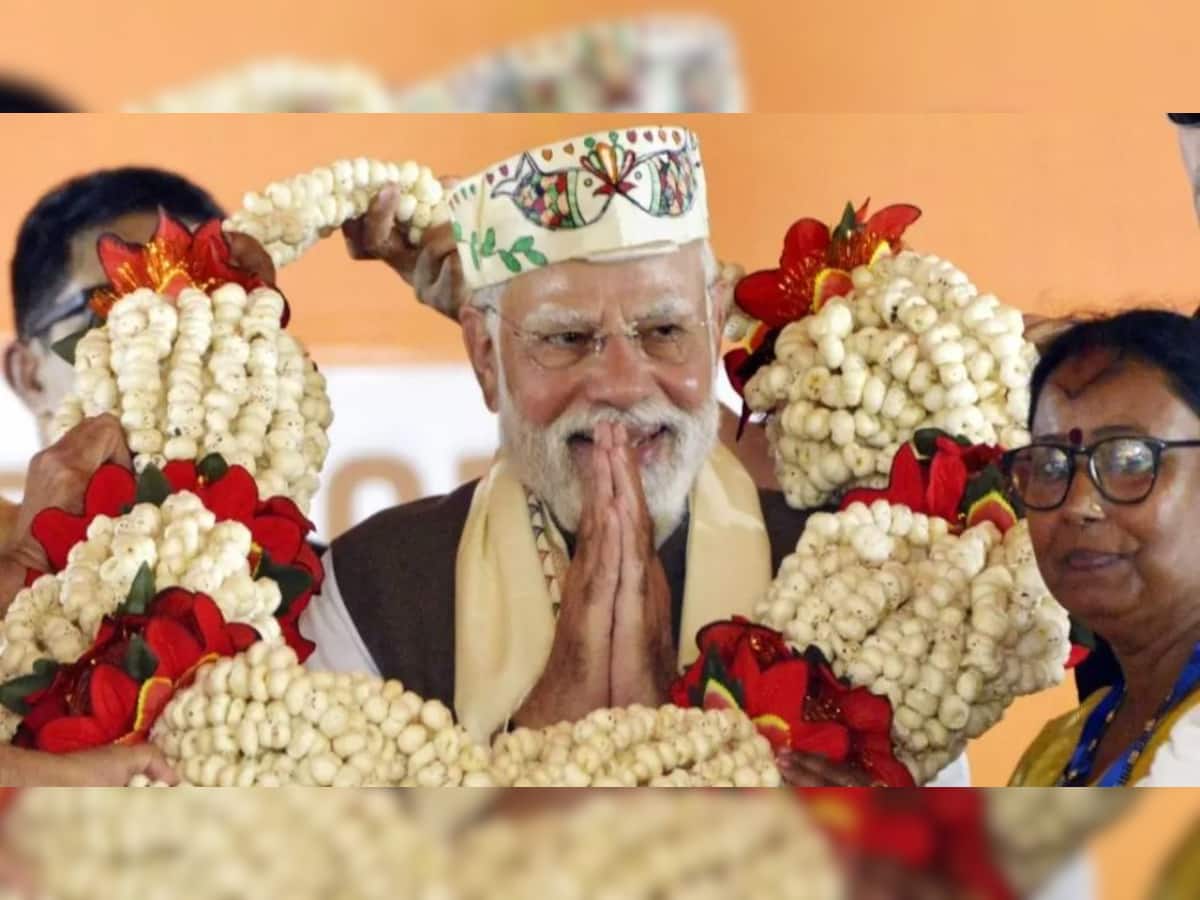

Prime Minister Narendra Modi has sounded the alarm over the lyrical content of Opposition campaign songs in Bihar, suggesting they are a worrying throwback to the ‘jungle raj’ era. Speaking at the NDA’s campaign launch in Samastipur for the 2025 Bihar Assembly elections, he pointed to the rise of aggressively worded songs in local dialects, which he believes are designed to evoke fear and remind voters of past instability. Modi specifically cited a popular Magahi track, “Bhaiya ke aave de satta mein, utha leb ghar se re…,” as indicative of the Mahagathbandhan’s (Opposition alliance) purported strategy of fear-mongering.
Following the Prime Minister’s address, prominent figures within the BJP and JD(U) reinforced the message, cautioning the public about the risks of returning to a period of perceived lawlessness. Music has always been a part of Bihar’s political campaigns, but this election cycle is seeing an unprecedented surge in viral Bhojpuri and Magahi songs shared across social media platforms. These tracks often celebrate caste identities, criticize rivals, and contain confrontational lyrics. While many of these popular tunes are associated with the RJD, the party has publicly disavowed them as official campaign material. Nevertheless, songs like “RJD sarkar banto Yadav rangdaar banto…” by Amit Aashiq, which gained notoriety after footage of an event with firearms emerged, and “Lalu ji ke laalten, Tejashwi ji ke tel…” by Mithilesh Halchal have become unofficial anthems at rallies supporting the RJD. Other tracks, including Gandhi Lal Yadav’s “bhaiya ke aave de satta, utha lebau ghar se re…” and Roshan Rohi’s “Ban jo chhaudi Tejashwi Yadav ke jaan…,” are circulating widely. The involvement of popular artists like Khesari Lal Yadav in releasing pro-RJD music further highlights the significance of this trend. Political analysts are divided on the ultimate impact of these songs. Some believe the BJP is strategically employing them to stir anxieties and consolidate votes by highlighting a perceived threat to law and order, mirroring tactics used in Uttar Pradesh. Others argue that voters primarily perceive these songs as entertainment and are unlikely to let them dictate their electoral choices, particularly among the younger generation who may not have direct memories of the earlier ‘jungle raj.’ In this election, the battle for hearts and minds is increasingly being fought on the airwaves, with provocative lyrics potentially shaping voter perceptions in ways that traditional campaigning methods cannot.