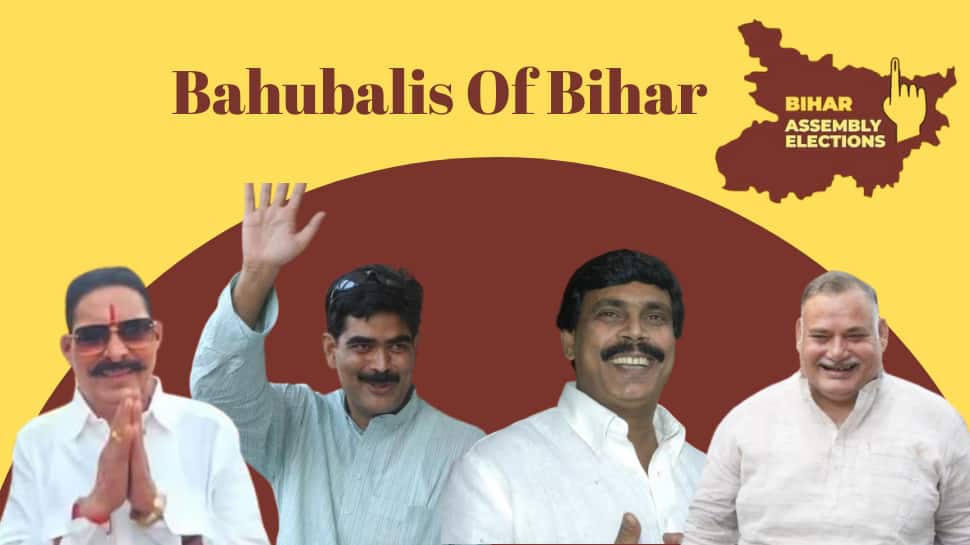

Bihar’s political stage is once again set for the dominance of ‘bahubalis’ (strongmen) in the upcoming 2025 elections. The state’s unique electoral arithmetic has long favored these influential figures, who often secure victory through strong caste-based support. The model was famously established by Mohammad Shahabuddin in 1990, paving the way for a political era where influence and patronage became key determinants of success.
These leaders typically cultivate strongholds where their personal sway often outweighs party doctrines. They are pivotal in mobilizing votes, fostering loyalty, and influencing regional governance. As the election campaign intensifies, these bahubalis are reaffirming their claims, engaging in a complex relationship with political parties and voters characterized by interdependence and unpredictability.
This pattern of transactional politics, where law and loyalty often coexist uneasily, has become a norm in Bihar. Each election cycle reaffirms this connection, which is defined by its instability and its basis in mutual benefit.
The current election narrative is heavily influenced by candidates with extensive criminal histories. A significant number of these individuals are contesting on party tickets, with the RJD fielding the highest proportion. Key constituencies are again witnessing contests dominated by strongmen, reflecting a continuity of power dynamics.
Analysis of candidate profiles reveals a concerning rise in individuals with serious criminal charges compared to previous elections. The influence of established strongmen persists, with their families often continuing their political legacy. The cases of Anant Singh and Anand Mohan exemplify the enduring power and adaptability of these figures within Bihar’s political framework.
The enduring ‘situationship’ of Bihar politics, marked by the reliance of parties on strongmen for electoral success and vice-versa, continues unabated. Voters remain at the heart of this dynamic, navigating hope and helplessness amidst these established power structures.