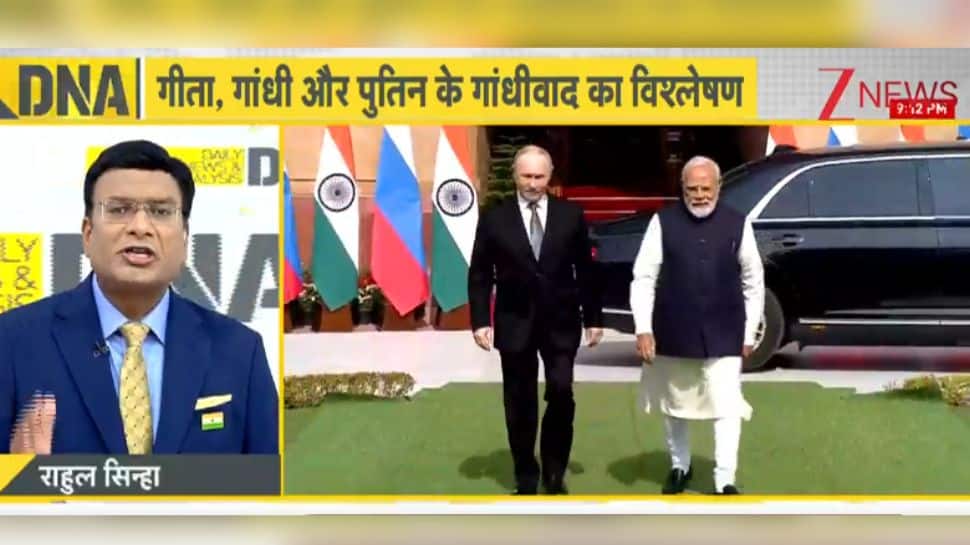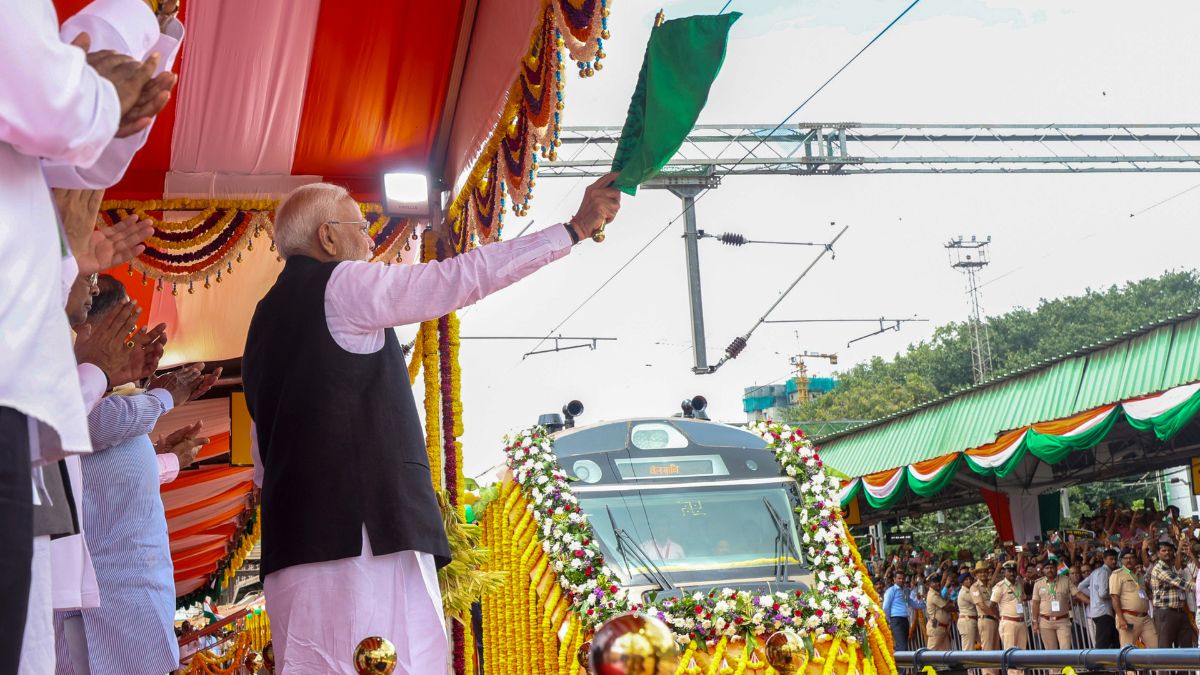

On November 8th, Prime Minister Narendra Modi will inaugurate four new Vande Bharat Express trains, originating from Varanasi. This strategic expansion of India’s modern train fleet is designed to drastically cut down travel times, enhance inter-regional connectivity, promote tourism, and provide a significant impetus to economic activities across the nation.
The four new routes benefiting from the Vande Bharat Express are Banaras–Khajuraho, Lucknow–Saharanpur, Firozpur–Delhi, and Ernakulam–Bengaluru.
The Banaras–Khajuraho Vande Bharat will revolutionize travel between these important heritage and spiritual centers. Passengers will enjoy a direct connection, saving close to 2 hours and 40 minutes compared to existing rail services. This route is particularly beneficial for pilgrims and tourists heading to destinations like Prayagraj, Chitrakoot, and the renowned Khajuraho temples, a UNESCO World Heritage Site.
Within Uttar Pradesh, the Lucknow–Saharanpur Vande Bharat is set to enhance regional travel efficiency. The journey will be completed in approximately 7 hours and 45 minutes, shaving off about an hour. This improved service will cater to passengers in cities such as Sitapur, Shahjahanpur, Bareilly, Moradabad, and Bijnor, while also facilitating easier access to Haridwar via Roorkee, thus fostering stronger economic and social links.
The Firozpur–Delhi Vande Bharat will redefine speed on its route, becoming the fastest train in the Punjab–Delhi corridor. Travelers will reach their destination in just 6 hours and 40 minutes. This service is expected to strengthen trade and tourism by improving connectivity with Firozpur, Bathinda, and Patiala in Punjab, potentially creating more employment opportunities.
In South India, the Ernakulam–Bengaluru Vande Bharat Express will dramatically reduce transit times, cutting the journey by over 2 hours to just 8 hours and 40 minutes. This high-speed link between major IT and commercial hubs in Kerala and Karnataka is set to boost business travel, student mobility, and tourism, thereby spurring economic development in the region.