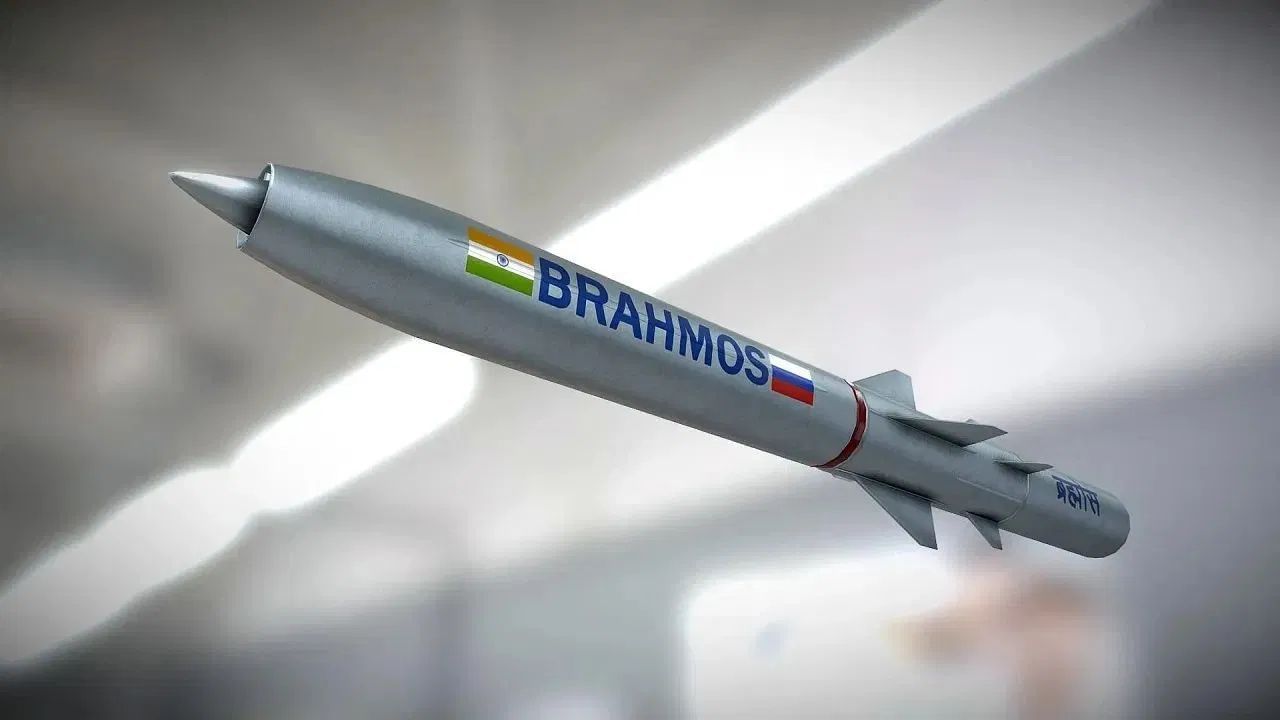

India’s premier supersonic cruise missile, the BrahMos, is being upgraded, with BrahMos Aerospace preparing to boost production and exports. The new BrahMos-NG (Next Generation) missile is slated to enter the testing phase by 2026. Russia has shown interest in incorporating it into its military.
India and Russia are collaborating to cut missile costs, expanding manufacturing capabilities. Russia may purchase BrahMos missiles for its forces. The BrahMos’s accuracy and effectiveness in Operation Sindoor have influenced Russia’s interest.
Over the past 25 years, only 1,000 BrahMos missiles have been produced, averaging 25 per year, which has increased costs. Expanded production should lower prices, enabling more sales.
The BrahMos-NG is lighter and smaller than the current BrahMos. The standard BrahMos weighs 3,000 kg, while the NG weighs under 1,250 kg. Its lighter weight permits launch from lighter aircraft such as the LCA Tejas and MiG-29. It will accurately strike targets up to 300 km and can launch from land, air, and sea platforms, including submarines.
The BrahMos’s performance in Operation Sindoor in May 2025 impressed the world. Subsequently, 14 countries have expressed interest. The Philippines has already purchased BrahMos missiles to counter Chinese aggression.
NPO Mashinostroeyenia, a Russian company, is developing a new ramjet engine for the BrahMos-NG, maintaining speed and lethality despite its reduced weight.
India planned the BrahMos-NG in 2011, with development starting in 2017. The upcoming testing phase will provide the Indian Air Force with more powerful and advanced weaponry, advancing India’s defense and positioning it among leading global arms exporters.