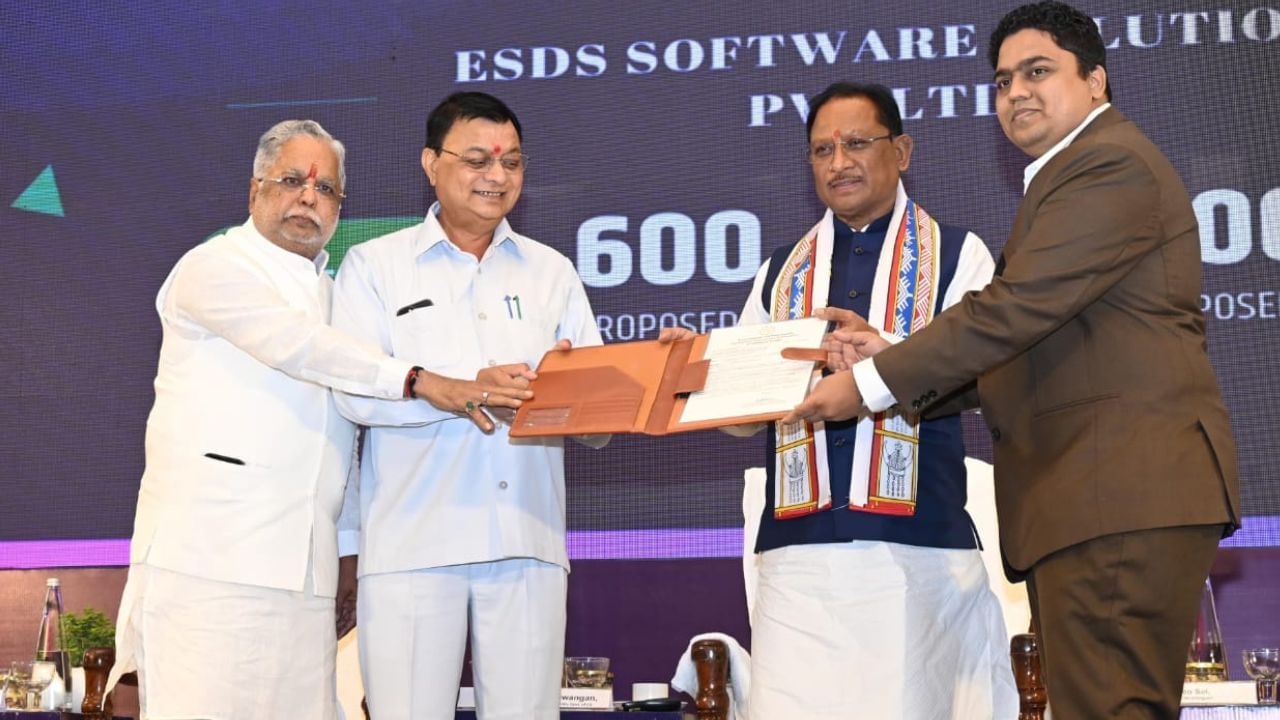

At the Chhattisgarh Industry Dialogue-2, Chief Minister Vishnu Deo Sai outlined ambitious plans for the state’s industrial future, focusing on semiconductors, Artificial Intelligence (AI), and pharmaceuticals. The Chief Minister emphasized the transformation of Chhattisgarh into a leading industrial and technological hub, moving beyond its past challenges and emerging as a top investment destination. The new industrial policy prioritizes employment and economic growth.
The Chief Minister highlighted the Chhattisgarh State Logistics Policy-2025, which is set to establish Chhattisgarh as a national logistics hub. The policy aims to leverage the state’s strategic location to attract investments in logistics and e-commerce, bolster export infrastructure, and provide affordable storage facilities.
The Jan Vishwas Bill will simplify business processes and civic life by addressing complexities. By decriminalizing certain legal provisions, it will alleviate the burden of court cases and reduce associated judicial expenses. The government’s goal is to create an environment with minimal obstacles for investors. Over 350 structural reforms have been implemented in the past eighteen months to enhance the ease and speed of doing business. The state has attracted significant investment, with over Rs 5.5 lakh crore in investment proposals in just six months, a record for the state. Investor summits in Delhi, Mumbai, and Bengaluru generated considerable enthusiasm.
Chief Minister Sai discussed the rapid allocation of land and the issuance of a NOC to Polymatech for a semiconductor investment, enabling the commencement of a Rs 1,143 crore project with an annual target of producing 10 billion chips. The vision is to establish Nava Raipur as the ‘Silicon Valley of Chhattisgarh’, with the Single Window System 2.0 facilitating investor processes. This system integrates online applications, approvals, and subsidy distribution, enabling swift approval processes.
He mentioned the approval of a Rs 3,500 crore railway line from Raoghat to Jagdalpur. Surveys for the Kothagudem-Kirandul rail line have started, and the Kharsia-Parmalkasa rail line will connect industrial centers. Waterways will commence from Sambalpur to Nava Raipur, and air cargo services are already active. Chhattisgarh is also home to India’s first AI data center park. The pharma sector is seeing the development of pharma hubs and a Medicity, with special grants available for textiles and pharmaceuticals.
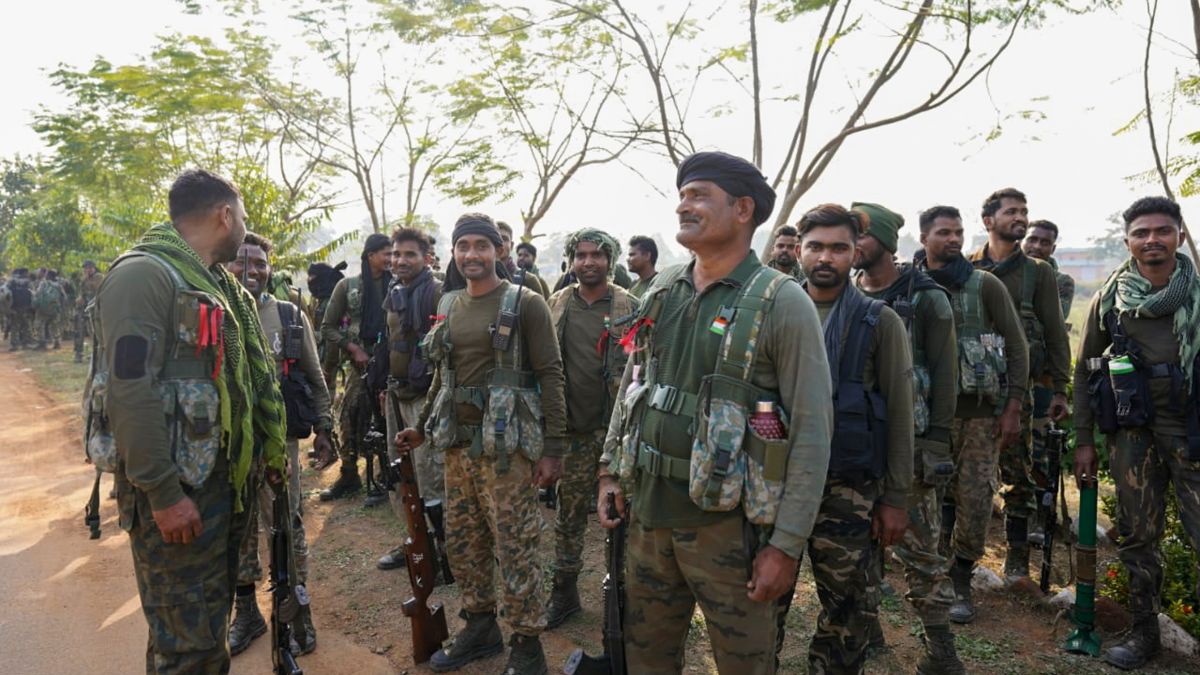
Bastar and Surguja are undergoing significant development. Bastar, previously affected by Naxalism, is progressing towards becoming a developed region. Skill development has been provided to 90,000 youths, and employment has been generated for over 40,000, with special investment incentives. The Bastar Dussehra festival is being registered for international recognition, and the Tirathgarh Glass Bridge and Bastar Tourism Circuit are under development. Provisions for royalty reimbursement and subsidies have been made for tribal entrepreneurs.
The new industrial policy outlines a roadmap to create over 5 lakh jobs in the next five years. Chhattisgarh aims to become the fastest-growing economy in sectors like textiles, pharma, AI, defense, energy, and medical tourism.
The Chief Minister urged entrepreneurs to invest in Chhattisgarh, offering full support and a conducive environment for growth. He emphasized the government’s commitment to eradicating the Naxal problem by March 2026 under the leadership of the Prime Minister and Union Home Minister, fostering peace, stability, and development in the affected areas.