

Education system in schools strengthened through rationalization — no post of teachers has been abolished
*School and teacher rationalization in the state in accordance with the provisions of the National Education Policy and the Right to Education Act — Chief Minister Shri Vishnu Deo Sai*
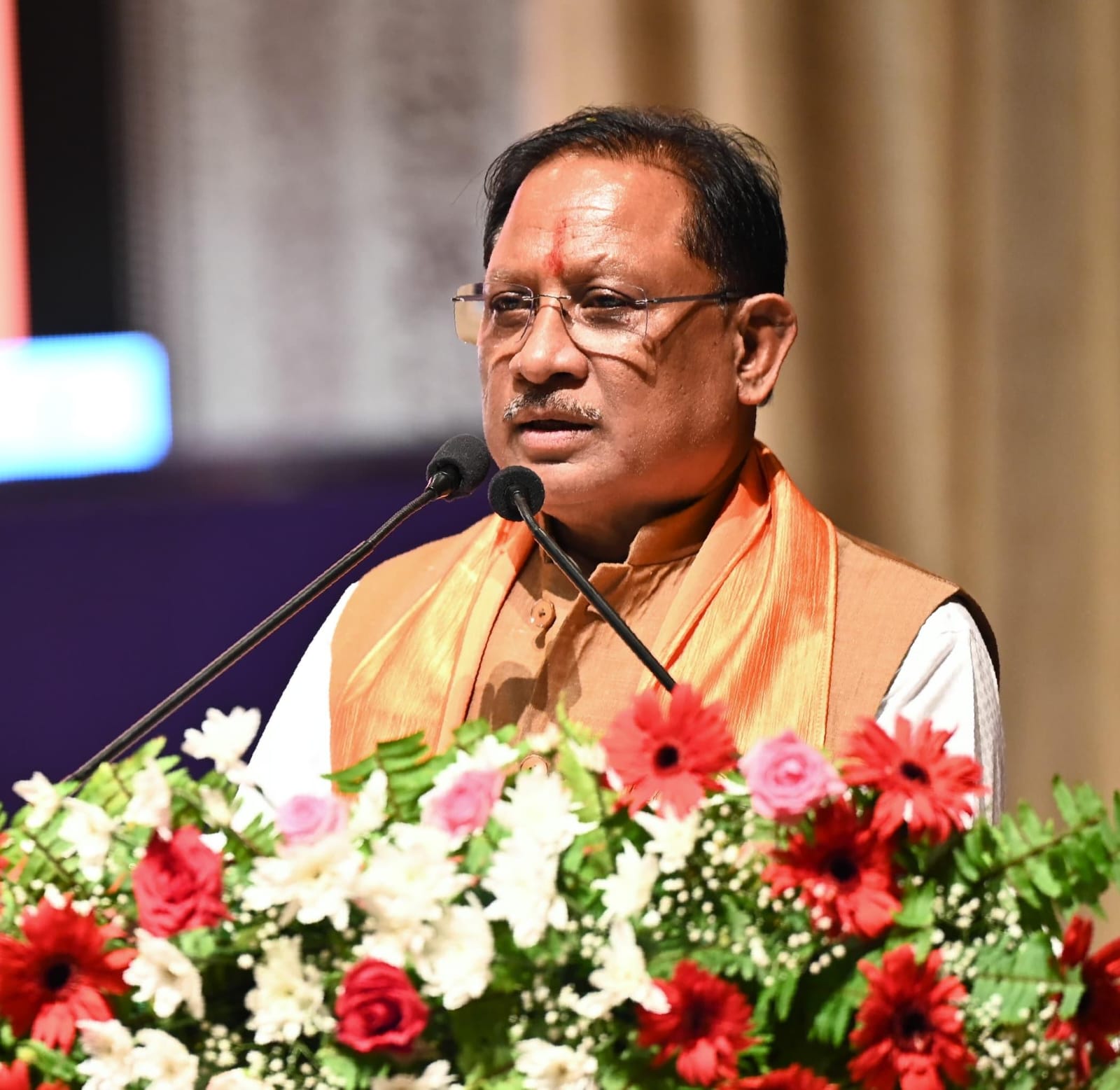
Raipur, dated July 16, 2025/ Chief Minister Shri Vishnu Deo Sai has said that to ensure the quality and accessibility of education, the state government has completed the rationalization process with full transparency, sensitivity, and a policy-based approach. He clarified that in this process, no post of teachers has been abolished, but the education system has been made more robust and organized in accordance with the provisions of the Right to Education Act, 2009 and the National Education Policy-2020.
The situation before rationalization in the state was highly imbalanced. There were 211 schools with 0 enrollment, some of which also had teachers posted. In addition, 453 primary, upper primary, high school, and higher secondary schools were without teachers. Also, 5936 schools were single-teacher schools, which included schools of all levels. This situation was undoubtedly affecting the quality of education.
On the other hand, an excessive number of teachers was seen in some primary schools — more than 15 teachers in 8 primary schools, 10 to 14 teachers in 61, and 6 to 9 teachers in 749 primary schools were working. The same imbalance was also seen at the upper primary level — 15 or more teachers in 9 schools, 10 to 14 in 90, and 6 to 9 teachers were found working in 1641 upper primary schools.
In many places in the state, primary, upper primary, high school, and higher secondary schools were operating under different administrative controls in the same premises, which was also creating complexities in management.
Along with this, schools with less than 10 enrollments in rural areas were operating parallel to other schools located less than 01 kilometer away. This situation was even more dense in urban areas — schools with less than 30 enrollments were operating at a distance of less than 500 meters. Rationalization was necessary to eliminate this inequality and to implement the objectives of National Education Policy 2020 and the Right to Education Act 2009 on the ground.
*First phase — Adjustment of schools*
In the first phase of this process, schools eligible for rationalization were selected at the block level based on the standards and instructions set by the government, which was sent to the government after examination and recommendation by the district-level committee. On this basis, a total of 10538 schools were rationalized, which included 10372 schools operating in the same premises, 133 schools in rural areas less than 01 km away, and 33 schools in urban areas less than 500 meters away.
*Second phase — Rationalization of teachers*
For the rationalization of teachers, the identification and calculation of surplus teachers was done at the primary, upper primary, high school and higher secondary levels under the prescribed procedure in accordance with the National Education Policy-2020 and the Right to Education Act-2009. These teachers were adjusted through the counseling process in teacher-less, single-teacher, and subject-wise need-based schools.
As a result of the rationalization process, a total of 15165 teachers and principals were adjusted, due to which the previously 453 teacher-less schools have now become fully teacher-equipped. Out of 5936 single-teacher schools, only 1207 primary schools are now left due to the unavailability of teachers.
Chief Minister Shri Sai also clarified that in this process, no post has been abolished, but the determination of the required number of teachers for each school has been done in proportion to the enrollment as per the Right to Education Act 2009.
Chief Minister Shri Sai said that in the future, if the enrollment of any school increases, the arrangement of teachers there will be done according to the sanctioned posts.