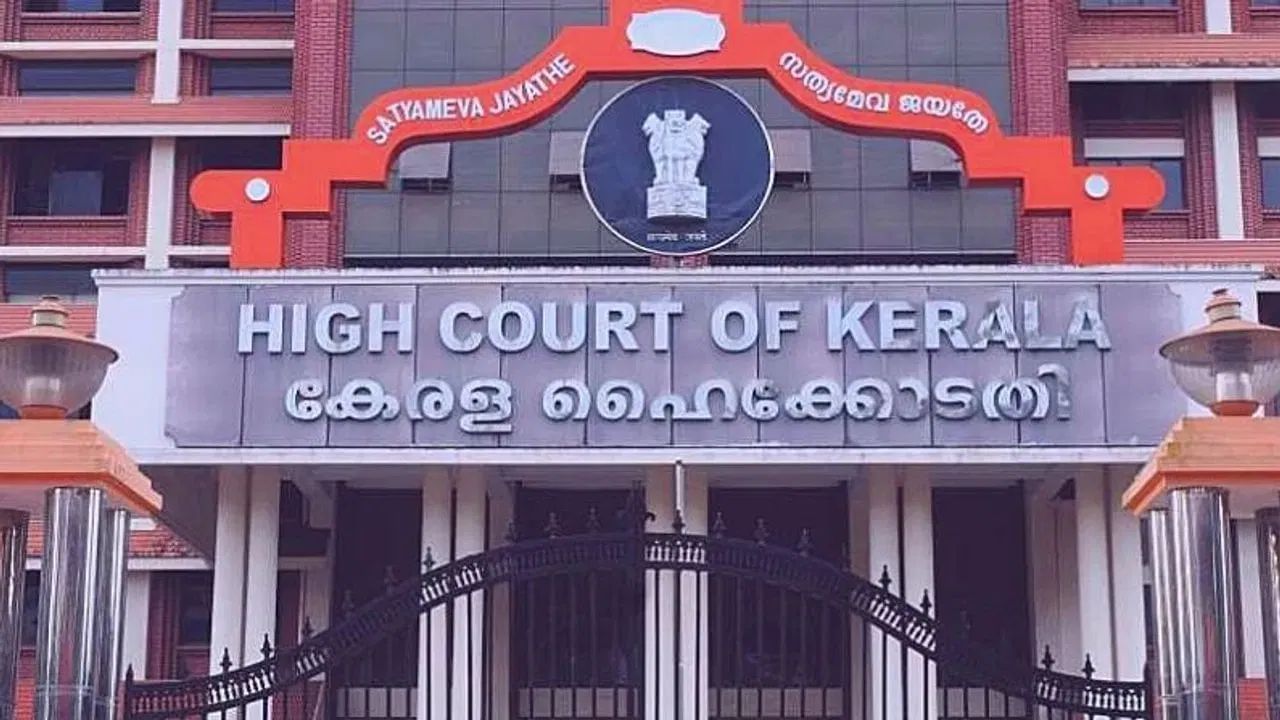

The Kerala High Court has directed that in cases involving the distribution of alleged obscene videos, trial court judges must personally view the video evidence to decide whether it is obscene. This directive was given by the court to make sure that the charges are accurate. The court’s direction came while addressing the case of a person accused of distributing obscene videos. The High Court found fault with the lower court’s decision to convict the accused under Section 292 of the Indian Penal Code (IPC) without viewing the video or assessing whether it was obscene. The court noted that the lower court did not consider the actual content of the video cassettes before finding the defendant guilty.
The High Court also clarified that when a video cassette alleged to have obscene content is presented as evidence, the court must check if the video contains scenes that are lascivious, or that appeal to the prurient interest, or that tend to excite lust, or deprave and corrupt the viewer’s mind.
The case involved Harikumar, who was running a video shop in Kottayam. He was accused of keeping ten obscene video cassettes. After seizing the cassettes, the trial court found him guilty under sections 292(2)(a), (c), and (d) of the Indian Penal Code (IPC). He was sentenced to two years in prison and a fine of ₹2,000. The court later reduced the sentence to one year while maintaining the fine. Harikumar challenged these orders in the High Court. He claimed that the magistrate did not view the video cassettes alleged to contain obscene content. The prosecution relied on witness statements and investigation reports instead of viewing the video content. The High Court noted that video cassettes are primary evidence under the Indian Evidence Act, 1872. The court also added that it is mandatory for the court to directly investigate the cassettes if they are claimed to contain obscene content. The High Court also said that while police and witness testimony can support findings, this cannot take the place of a direct review by the court. Because the lower and appellate courts failed to review the cassettes, the High Court decided that Harikumar’s conviction was not legally sound and overturned his conviction and sentence.