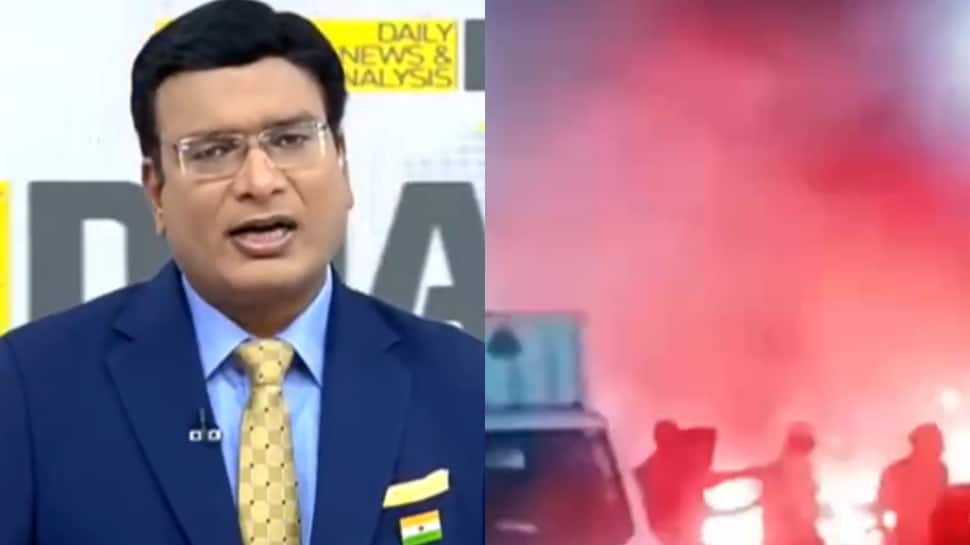

A major terror incident has rocked Delhi, with a blast near the Red Fort metro station resulting in at least eight fatalities and multiple injuries. The investigation has been fast-tracked, with the NIA taking over the case and the Home Minister demanding an immediate report. The dynamics of the explosion are leading investigators to explore a new pattern of terror and potential links to Pakistan. Several unusual aspects of the blast have been noted: no crater was formed, the blast’s impact was horizontal rather than vertical, a large fire erupted, and the vehicle involved was significantly damaged by fire but not obliterated. These findings strongly suggest the use of a low-intensity explosive, such as ANFO, which requires expert detonation. Historically, such explosives have been employed by groups like the LTTE, the Afghan Taliban, and ISKP, which has a strong presence in Pakistan. The suspected involvement of ISKP is being prioritized given the current regional political climate. Intelligence agencies have received credible information indicating a collaborative relationship between Pakistan’s ISI and ISKP. Reports suggest that Pakistan’s military and ISI might be collaborating with ISKP, potentially utilizing their expertise in explosives alongside other Pakistan-based militant groups. The educational background of the suspects—highly qualified doctors—also aligns with ISKP’s recruitment methods, which involve targeting and radicalizing educated individuals. The 2019 Sri Lanka Easter bombings, which similarly involved well-educated bombers and fertilizer-based explosives, are being examined for parallels, suggesting a potential connection to the same terror infrastructure. Further intelligence points to heightened terror preparations in Pakistan, including high-level meetings between Pakistani military and intelligence officials and various terror factions in Pakistan-occupied Kashmir. It is being investigated whether the Red Fort attack was planned in these recently reactivated terror facilities. The extended presence of Dr. Umar Nabi at the blast site prior to the explosion is a subject of intense scrutiny, raising the possibility of remote guidance from external handlers. The recent pressure on terror modules in Faridabad and Jammu and Kashmir, leading to arrests of radicalized doctors, could have triggered an impulsive action by Dr. Nabi.